“The Costs and Benefits of Fishing in Southern Oman,” Dr. M. Risse
Fish as Food: Lifestyle and a Sustainable Future, International Commission on the Anthropology of Food and Nutrition
hosted at the University of Liverpool, Sept 1-3, 2021, http://www.icaf2021.uk/
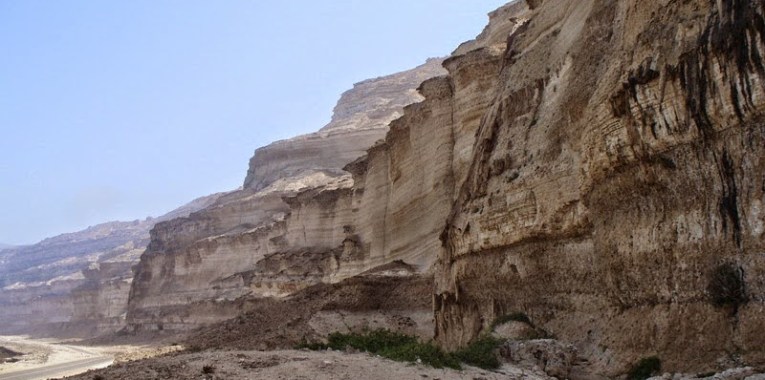
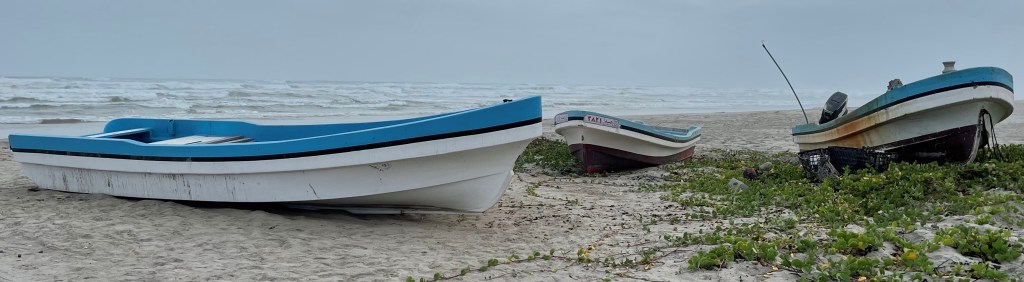
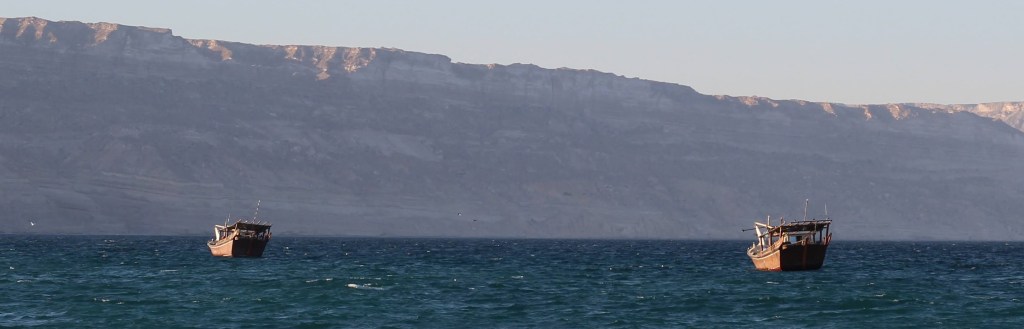
(photo by S. B.)
This post contains:
- the abstract
- data set discussed in the presentation
- selected bibliography
- list of seafood
- list of related essays
Abstract
My presentation discusses two important questions about fishing economics: how much does it cost to catch fish and how does that expense create a social benefit for fishermen, regardless of the money earned from the catch? My research is based in Dhofar, the southern region of Oman, where I have been looking at the theme of generosity, including sharing food, for more than ten years. In this presentation I will explain how much a typical day and season of fishing costs a fisherman, as well as how giving away part of every catch creates a benefit that is more than monetary. Using interviews and personal experiences, I will explain how the cash outlay for gas, nets, bait, etc. is transformed into social, in addition to economic, capital for fishermen.
Data Set
To give an overview of the fishing industry from data collected by the Omani National Center for Statistics and Information (ONCSI), latest available yearly data is 2019, latest monthly data is April 2021:
- renewed fishing licenses in Dhofar – 2,424 (33%, out of 7,266 for all of Oman)
- new in Dhofar – 324 (20%, out of 1,607 for all of Oman)
- renewed boat licenses in Dhofar – 998 (11%, out of 8,847 for all of Oman)
- new boats in Dhofar – 57 (10%, out of 547 for all of Oman)
- tons landed by traditional fishermen in Dhofar – 74,400 (14%, out of 550, 210 tons for all of Oman)
In other words, in 2019 in Dhofar 2,748 licensed fishermen using 1,055 boats caught 74,400 tons
Two other data points. First there is a wide seasonal variation because of the monsoon season: approximately 7,794 tons in October 2020 – 10,653 tons in December 2020 – 5,447 tons in February 2021
Secondly, at the last monthly data set available: April 2021: 8,401 tons were landed in Dhofar by traditional fishermen and the same month 1,392 tons landed by all commercial fishermen
information from the ONCSI at:
Selected References about Fish/ Fishing in Dhofar/ Oman (including cooking and historical texts)
In brief, there has been work done on the types of fish along the Omani coast (e.g. Al-Jufaili, Hermosa, Al-Shuaily and Al Mujaini 2010; Choudri, Baawain and Mustaque 2016, Harrison 1980; McKoy, Bagley, Gauthier and Devine 2009) and how fish are sold (e.g. Al-Marshudi and Kotagama 2006; Al Rashdi and Mclean 2014; William and Fidelity Lancaster 1995; “National Aquaculture Sector Overview-Oman” 2019; Omezzine 1998, Omezzine, Zaibet and Al-Oufi 1996; Siddeek, Fouda and Hermosa 1999).
Al-Hamad, Sarah. 2016. Cardamom and Lime: Flavors of the Arabian Gulf, the Cuisine of Saudi Arabia, Kuwait, Bahrain, Oman, Qatar and the U.A.E. Singapore: IMM Lifestyle Books.
Al-Jufaili, Saud, Greg Hermosa, Sulaiman S. Al-Shuaily and Amal Al Mujaini. 2010. “Oman Fish Biodiversity.” Journal of King Abdulaziz University 21.1: 3-51.
Al-Marshudi, Ahmed Salim and Hemesiri Kotagama. 2006. “Socio-Economic Structure and Performance of Traditional Fishermen in the Sultanate of Oman.” Marine Resource Economics 21: 221-30.
Al Maskiry, Fawziya Ali Khalifa. 2004. A Taste to Remember, 3rd edition. Muscat: Al Nahda Press
Al Rashdi, K. and E. Mclean. 2014. “Contribution of Small-Scale Fisheries to the Livelihoods of Omani Women: A Case Study of the Al Wusta Governorate.” Gender in Aquaculture and Fisheries: Navigating Change – Asian Fisheries Science Special Issue 27S: 135-149.
Campbell, Felicia. 2015. The Food of Oman: Recipes and Stories from the Gateway to Arabia. London: Andrew McMeel.
Carter, Henry. 1846. “The Ruins of El Balad.” Journal of the Royal Geographical Society of London 16: 187-99.
—. 1845. “Notes on the Gara Tribe.” Journal of the Bombay Branch of the Royal Asiatic Society: 195-201.
Choudri, B., Mahad Baawain, and Mustaque Ahmed. 2016. “An Overview of Coastal and Marine Resources and their Management in Sultanate of Oman.” Journal of Environmental Management and Tourism 7.1: 21-32.
Clements, Frank. 1977. “The Islands of Kuria Muria: A Civil Aid Project in the Sultanate of Oman Administered from Salalah, Regional Capital of Dhofar.” Bulletin (British Society for Middle Eastern Studies) 4.1: 37-39.
Cruttenden, Charles. 1838. “Journal of an Excursion from Morbat to Dyreez, the Principal Town of Dhofar.” Transactions of the Bombay Geographical Society 1: 184-88.
Ghazanfar, Shahina. 1998. “Status of the Flora and Plant Conservation in the Sultanate of Oman.” Biological Conservation 85: 287-295.
Gilette, Maris. 2019. “Muslim Foodways,” in The Handbook of Food and Anthropology. Jakob Klein and James Watson, eds. London: Bloomsbury Academic. 48-73.
Haines, Stafford. 1939. “Memoir to Accompany a Chart of the South Coast of Arabia from the Entrance of the Red Sea to Misenat, in 50, 43, 25 E. Part I.” Journal of the Royal Geographical Society of London 9: 125-56.
—. 1845. “Memoir of the South and East Coasts of Arabia: Part II.” Journal of the Royal Geographical Society of London 15: 104-60.
Harrison, David. 1980. The Journal of Oman Studies: Special Report 2: The Oman Flora and Fauna Survey 1975. Muscat: Diwan of H. M. for Protocol.
Higgins, Andrew. 2011. With the S.A.S. and Other Animals: A Vet’s Experiences during the Dhofar War 1974. Barnsley: Pen and Sword Publishing.
Ibn al-Mujāwir. 2008. A Traveler in Thirteenth-Century Arabia: Ibn al-Mujāwir’s Tarikh al-Mustabir 19, Third Series, G. R. Smith, trans. London: Ashgate for the Hakluyt Society.
Ibn Battuta. 1929. Travels in Asia and Africa 1325-1354. H.A.R. Gibb, trans. London: Rutledge.
Janzen, Jorg. 2000. “The Destruction of Resources among the Mountain Nomads of Dhofar,” in The Transformation of Nomadic Society in the Arab East, University of Cambridge Oriental publications 58. Martha Mundy and Basim Musallam, eds. Cambridge: Cambridge University Press. 160-75.
—. 1986. Nomads in the Sultanate of Oman: Tradition and Development in Dhofar. London: Westview Press.
The Journal of Oman Studies: Special Report 2: The Oman Flora and Fauna Survey 1975. Muscat: Diwan of H. M. for Protocol.
Kanafani, Aida Sami. 1979. Aesthetics and Ritual in the United Arab Emirates. unpublished dissertation, University of Texas at Austin.
Lancaster, William and Fidelity Lancaster. 1995. “Nomadic Fishermen of Ja’alân, Oman.” Nomadic Peoples 36/37: 227-244.
McKoy, John, Neil Bagley, Stéphane Gauthier, and Jennifer Devine. 2009. Fish Resources Assessment Survey of the Arabian Sea Coast of Oman – Technical Report 1. Auckland: Bruce Shallard and Associates and the New Zealand National Institute of Water and Atmospheric Research.
Mendonca, Vanda, Barry Jupp, Musallam Al Jabri, Thuraya Al Sariri and Mohamed Al Muzaini. 2003. National Report on the State of the Marine Environment. Muscat: Ministry of Regional Municipalities, Environment & Water Resources, Marine Pollution and Coastal Zone Management Section.
Miller, Anthony, Miranda Morris, and Susanna Stuart-Smith. 1988. Plants of Dhofar, the Southern Region of Oman: Traditional, Economic, and Medicinal Uses. Muscat: Office of the Adviser for Conservation of the Environment, Diwan of Royal Court.
Mintz, Sidney. 1996. Tasting Food, Tasting Freedom: Excursions into Eating, Culture, and the Past. Boston: Beacon Press.
Mintz, Sidney, and Du Bois, Christine. 2002. “The Anthropology of Food and Eating.” Annual Review of Anthropology 31:99-119.
Morris, Jan. 2008/ 1957. Sultan in Oman. London: Eland.
Morris, Miranda. 1987. “Dhofar – What Made it Different’,” in Oman: Economic, Social and Strategic Development. B.R. Pridham, ed. London: Croom Helm. 51-78.
“National Aquaculture Sector Overview-Oman.” 2019. Food and Agriculture Organization of the United Nations-Fisheries and Aquaculture Department. http://www.fao.org/fishery/countrysector/naso_oman/en
Omezzine, Abdallah. 1998. “On-shore Fresh Fish Markets in Oman.” Journal of International Food and Agribusiness Marketing 10.1: 53-69.
Omezzine, Abdallah, Lokman Zaibet and Hamad Al-Oufi. 1996. “The Marketing System of Fresh Fish Products on the Masirah Island in the Sultanate of Oman.” Marine Resources Economics 11: 203-210.
Patzelt, Annette. 2015. “Synopsis of the Flora and Vegetation of Oman, with Special Emphasis on Patterns of Plant Endemism.” Braunschweigische Wissenschaftliche Gesellschaft. 282-317. https://www.researchgate.net/publication/281240453_Synopsis_of_the_Flora_and_Vegetation of_Oman_with_Special_Emphasis_on_Patterns_of_Plant_Endemism
Sadeghin, Farideh. 2015, Oct. 27. “The Food of Oman is Too Good to Ignore: Recipe-testing a Middle Eastern Cookbook Gives our Test Kitchen Director a New Love for an Under-appreciated Cuisine.” Saveur. https://www.saveur.com/food-of-oman-cookbook-cuisine-felicia-campbell
Saunders, J. P. 1846. “A Short Memoir of the Proceedings of the Honorable Company’s Surveying Brig ‘Palinurus,’ during Her Late Examination of the Coast between Ras Morbat and Ras Seger, and between Ras Fartak and the Ruins of Mesinah.” Journal of the Royal Geographical Society of London 16: 169-86.
Serjeant, R. B. 1995. Farmers and Fishermen in Arabia: Studies in Customary Law and Practice. G. Rex Smith, ed. Aldershot, Variorum.
Siddeek, M., M. Fouda and G. Hermosa. 1999. “Demersal Fisheries of the Arabian Sea, the Gulf of Oman and the Arabian Gulf.” Estuarine, Coastal and Shelf Science 49.1: 87-97.
Tabook, Salim Bakhit. 1997. Tribal Practices and Folklore of Dhofar, Sultanate of Oman. Unpublished PhD thesis, Faculty of Arts, Exeter University.
Thesiger, Wilfred. 1991/ 1959. Arabian Sands. New York: Penguin.
Thomas, Bertram. 1932, reprint. Arabia Felix: Across the Empty Quarter of Arabia. London: Jonathan Cape.
Webster, Roger. 1991, October. “Notes on the Dialect and Way of Life of the Āl Wahība Bedouin of Oman.” Bulletin of the School of Oriental and African Studies 54.3: 473-485.
Wilkinson, J. C. 2013. Water & Tribal Settlement in South-East Arabia (Studies on Ibadism and Oman). New York: Georg Olms Verlag.
Yamani, Mai. 2000. You Are What You Cook” Cuisine and Class in Mecca in A Taste of Thyme: Culinary Cultures of the Middle East. Sami Zubaida and Richard Tapper, eds. New York: I.B. Tauris Publishers. 159-72.
topic – fish types
Al-Jufaili, Saud Greg Hermosa, Sulaiman S. Al-Shuaily and Amal Al Mujaini. 2010. “Oman Fish Biodiversity.” Journal of King Abdulaziz University 21.1: 3-51.
Choudri, B., Mahad Baawain, and Mustaque Ahmed. 2016. “An Overview of Coastal and Marine Resources and their Management in Sultanate of Oman.” Journal of Environmental Management and Tourism 7.1: 21-32.
Harrison, David. 1980. The Journal of Oman Studies: Special Report 2: The Oman Flora and Fauna Survey 1975. Muscat: Diwan of H. M. for Protocol.
The Journal of Oman Studies: Special Report 2: The Oman Flora and Fauna Survey 1975. Muscat: Diwan of H. M. for Protocol.
McKoy, John, Neil Bagley, Stéphane Gauthier, and Jennifer Devine. 2009. Fish Resources Assessment Survey of the Arabian Sea Coast of Oman – Technical Report 1. Auckland: Bruce Shallard and Associates and the New Zealand National Institute of Water and Atmospheric Research.
topic – catching fish
Al-Marshudi, Ahmed Salim and Hemesiri Kotagama. 2006. “Socio-Economic Structure and Performance of Traditional Fishermen in the Sultanate of Oman.” Marine Resource Economics 21: 221-30.
Al Rashdi, K. and E. Mclean. 2014. “Contribution of Small-Scale Fisheries to the Livelihoods of Omani Women: A Case Study of the Al Wusta Governorate.” Gender in Aquaculture and Fisheries: Navigating Change – Asian Fisheries Science Special Issue 27S: 135-149.
Lancaster, William and Fidelity Lancaster. 1995. “Nomadic Fishermen of Ja’alân, Oman.” Nomadic Peoples 36/37: 227-244.
Mendonca, Vanda, Barry Jupp, Musallam Al Jabri, Thuraya Al Sariri and Mohamed Al Muzaini. 2003. National Report on the State of the Marine Environment. Muscat: Ministry of Regional Municipalities, Environment & Water Resources, Marine Pollution and Coastal Zone Management Section.
“National Aquaculture Sector Overview-Oman.” 2019. Food and Agriculture Organization of the United Nations-Fisheries and Aquaculture Department. http://www.fao.org/fishery/countrysector/naso_oman/en
Omezzine, Abdallah. 1998. “On-shore Fresh Fish Markets in Oman.” Journal of International Food and Agribusiness Marketing 10.1: 53-69.
Omezzine, Abdallah, Lokman Zaibet and Hamad Al-Oufi. 1996. “The Marketing System of Fresh Fish Products on the Masirah Island in the Sultanate of Oman.” Marine Resources Economics 11: 203-210.
Siddeek, M., M. Fouda and G. Hermosa. 1999. “Demersal Fisheries of the Arabian Sea, the Gulf of Oman and the Arabian Gulf.” Estuarine, Coastal and Shelf Science 49.1: 87-97.
List of seafood
This is a short list of types of seafood eaten in Dhofar. It is not comprehensive and rough translations are given in italics, A – Arabic, G – Gibali.
abalone – sufela, regulated season for a few weeks at the end of November/ December, depending on quantity, some years the season is canceled
amberjack – A shathruch, G shatrach
barracuda – A akama/ G ‘eqmat (not perceived as dangerous for swimmers close to shore but possibly dangerous for men diving for abalone as fish is attracted to anything sparkling, might bite hand, for example, if person is wearing something silvery)
belt fish – G sasul
black tip trevally – A thumkeri (thum-ker-ri), G thumkiri (thum-kir-ri)
cuttlefish – A habaar, G tarbha, common, usually used for BBQ (not seen as delicacy)
farsh – A gazelle/ G batemeera (only caught with ‘live’ bait, e.g. cut sardines)
grouper – andak/ andaka/ G. anthka (usually in deepwater @ 200 meters, comes closer to shore in khareef when it can be caught by line)
hagmam – A shatruck/ G shatraq (2rd or 3rd most expensive fish after kingfish, only caught in boxes)
hamour – G difn (2nd or 3rd most expensive fish after kingfish, caught in boxes or by live, usually favorite fish to eat
king fish – A kanud/ G tharnak (most expensive fish at 3 or 4 OR per kilo, caught by line and net, now protected by a winter ‘season’ [allowed to be caught and publicly sold only at certain times], fairly rare in Dhorfar because it prefers flat, sandy seabeds and Dhofar coast/ seabed is usually rocky except the straight, flat beach between Raysut and Taqa)
lobster – shaarkha, regulated season from March to end of the April
mahi-mahi – A anfluss, G bathubon (caught by line)
mussells – A zukka, G zikt (gathered by women at low-tide, often cooked with pasta, usually found along coast north of Salalah)
red mullet – A and G zajajee (only in deep water, caught in boxes)
red seabream – A fraha/ G farhat (usually in deepwater @ 200 meters, comes closer to shore in khareef when it can be caught by line)
saafi – A seesan, G seedhob (used to be a very important fish for trading, was dried and shipped to other countries, still eaten but not dried and shipped, usually in 2 – 3m water)
salted fish – A marakh malah – salt and raw fish layered in a bucket, covered and kept for 1 to 4 weeks
sardines – freshly caught are served grilled; air-dried (usually on a beach) are used for animal fodder
sea catfish – A khann/ G gamm – least expensive kind of fish, often 200 or 300 baisa per kilo
shark – not often caught/ eaten, owaal – dried shark (sliced open, cleaned and, with skin still attached, the meat is sliced into thin sections, this is dried in the sun for 2 to 10 days, fewer days with lower humidity)
sheri – A shari/ G hamshk
squid – A habaar, G atharaya – usually caught only in khareef, and further north along the coast than Salalah – often 2-4 kilo, better tasting than cuttlefish
sultan Ibrahim – G. ali br dughun (caught in boxes, not by line)
tuna – unregulated season from the end of January/ beginning of February until end of May, best times are March and April, depending on ocean temperature
trevally – A/ G minaya
Related essays on fishing
Foodways: Researching Fishing Practices in Dhofar and Selected Bibliographies
Foodways: Fishing from or near the Shore – Sardines
Foodways: Fishing from or near the Shore – Boxes
Foodways: Catching Lobsters and Diving for Abalone
Foodways: Fish traps
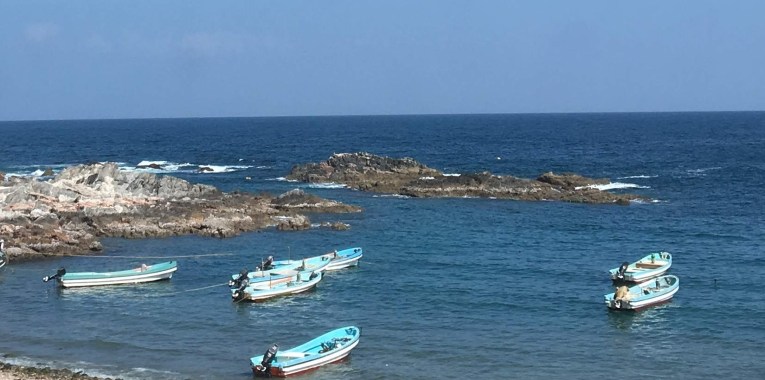
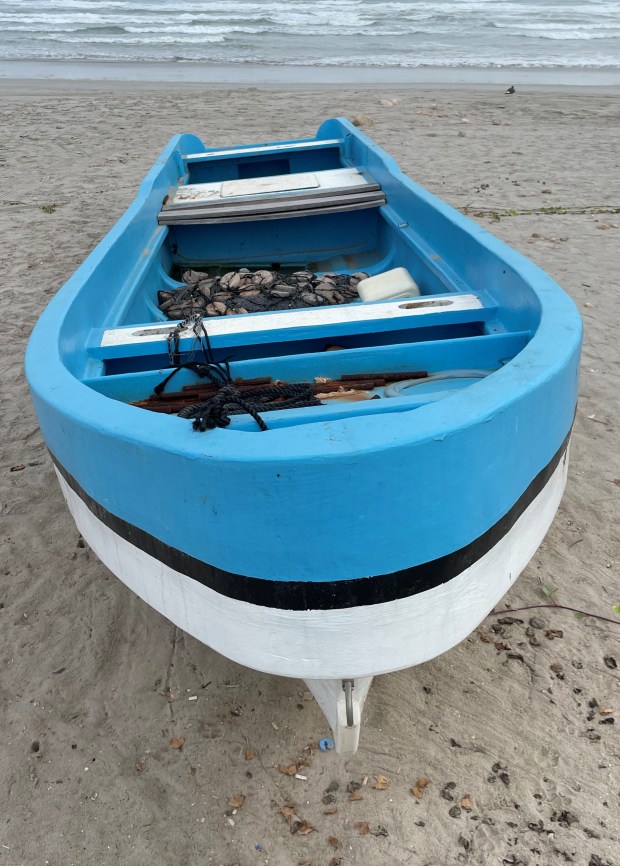
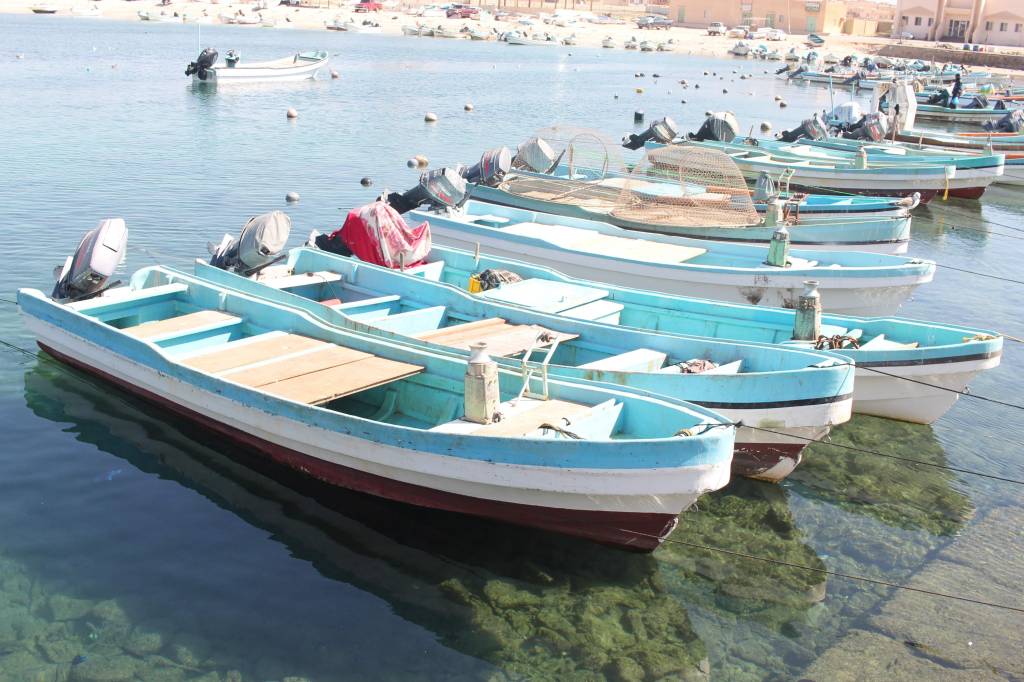
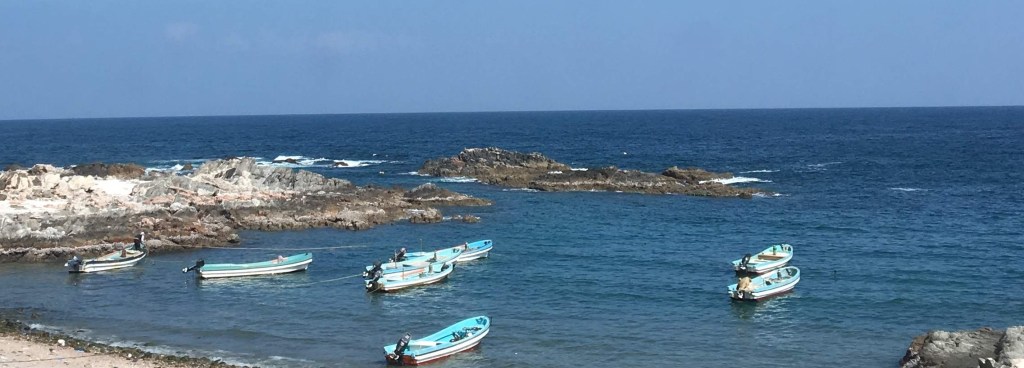
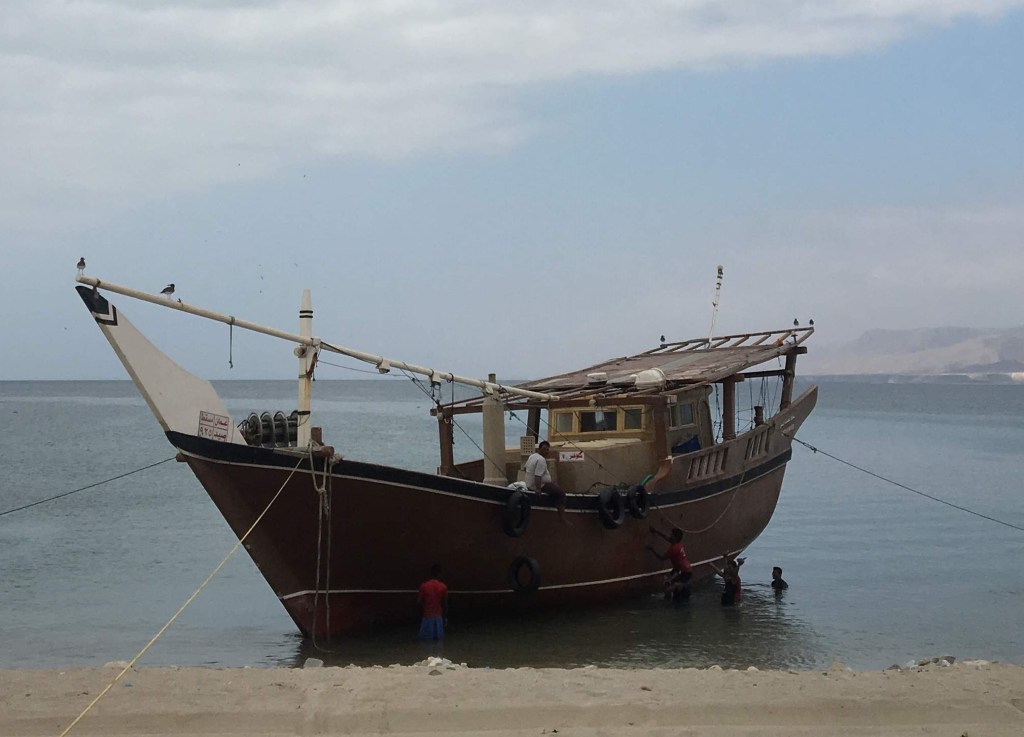
Foodways: Photos for my presentation “The Costs and Benefits of Fishing in Southern Oman,” ‘Fish as Food’ conference, International Comm. on the Anthro. of Food and Nutrition













You must be logged in to post a comment.