
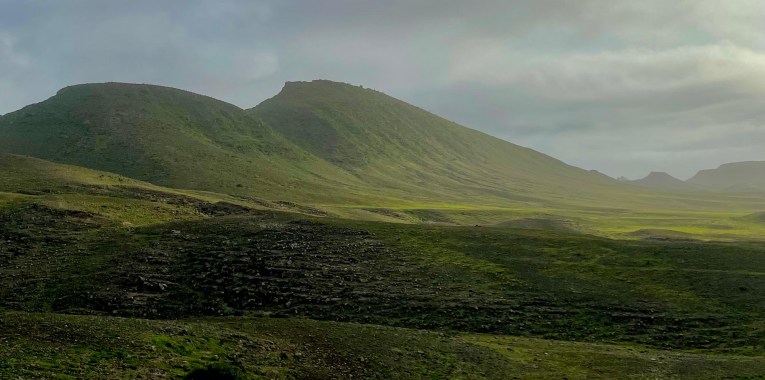
photo by Onaiza Shaikh,
Instagram: Onaiza_Shaikh
To survive in the US, you need scissors, 8 square feet of empty floor space, a complete collection of tools (screwdrivers, hammers, wrenches, etc.) and a cell phone.
That’s it.
You use your phone to order everything for your apartment and then you use your floor space and tools to put it all together: a fan, a lamp, pots and pans, bookshelves, etc. I am having a hard time adjusting to the IKEAfication of the States where everyone is expected to have a Masters of Mechanical Engineering. You have to set up your own wi-fi, make chairs, reset the garbage disposal and hang pictures, no matter your manual dexterity or skill level with drills.
Even the simplest action (opening a container of guacamole!) requires patience. First you have to take off the cardboard cover, then take off the lid, then take off the inner cover.
On bad days I think American consumers have been sold a load of codswallop and told it was spun gold; everything is impersonal and do-it-yourself. Coming into the system is over-whelming; I have to deal with 3 different apps for my apartment building. Farewell to the happy days of simply calling Ali, world’s best landlord, for repairs!
But there are benefits of living in a culture in which transactions are often impersonal: there’s no one to create chaos out of personal animosity. Getting a lease required submitting certain forms: if you don’t have the paperwork, you don’t get the apartment. There’s no way to influence the outcome through networking or to stop the rental through enmity.
If you want to do anything, you go to websites, tap in information, get codes sent to your cell phone, enter the codes, type some more and voila! Then you spend hours putting whatever you ordered together, but at least it is all at your own speed and under your control.
When I think of leaving Oman, I have numerous unhappy memories of chaos with people deliberately lying to me and others about processes. I spent 2 1/2 hours my last morning in Oman trying to get people to complete a task I was told would be done days earlier. I finished the paperwork on my severance pay with ten minutes to spare before the bank closed – a harrowing and upsetting end to 19 years!
However, I don’t think systems are necessarily better in the States. It’s often entertaining in Oman to have so many things based on personal relationships; almost everything is negotiable if you stay pleasant. Yes, you can get the ‘forbidden’ I-tunes music program onto your computer if you get along with the computer tech person. When I went to get my first covid vaccine, the nurse told me to come back in a week. I said, “I live alone and I am scared,” and she gave me the vaccine.
In the States, crying, screaming, smiling or begging are of no avail: you either have the little computer code on your phone or you don’t. It’s not better, not worse – different. And I don’t say this lightly. Many times I talked to my students about how, when you arrive in the USA, everyone stands in one of two immigration lines. If the line takes 2 hours, then you stand for two hours. There are not people, as on the Arabian Peninsula, who walk along and pull people out of the immigration line who have young children or need assistance.
New book – Researching and Working on the Arabian Peninsula: Creating Effective Interactions
Reflections on Ethnographic Research: Getting it Wrong
Reflections on Ethnographic Work: Mental Maps and Wayfinding Apps in Dhofar, Oman
 Come From Away
You must be logged in to post a comment.