Water Bottles, Work Boots, Doors and Tribes

(photo by M. A. Al Awaid)

Even after two years in the States, I have a lot of ‘muscle memory’ from living in Oman. I still dislike shaking hands and I can’t seem to stop offering people bottles of water. If you show up at my office, I am going to ask if you would like some water. And I feel it keenly that the hot water situation is not figured out sufficiently for me to ask if you would like tea.

One of the many, many wonderful aspects of living in Oman was the constant offering of tea. Many people know this as a kind of joke or marketing ploy but I loved it. When going rug shopping, of course a cup of hot sweet tea makes the bargaining more fun, more like a social interaction. I had lovely conversations drinking tea with the men who worked at my favorite rug shop next to Muttrah Souq.

However, now when I ask people if they want water, I usually get a ‘deer in headlights’ look and a quick refusal. Americans don’t have time, but also I sometimes feel that there is a layer of ‘I don’t want to be indebted.’ If you give me something, what might I have to do in the future?

The people who usually accept are my favorite Americans: blue collar workers. If I am struggling with an armful of papers, it is most often the person in work boots who will open the door, make a joke, hold the elevator or give me a quick smile of understanding. Even before I moved to Oman, I felt an affinity for these people who move, in a fashion, through tribal patterns.

To me “tribal patterns” means an understanding that none of us have everything we need to make it through the day, so what you have at hand to offer other people, you offer. And what you need, you ask for (implicitly or explicitly). Between neighbors in Oman, there is no counting, e.g., “I received this so I must give that is return.” In some cases I know, the neighbors with less financial security received food almost every day and never reciprocated. Some men never brought food to picnic dinners and this was never mentioned – everyone was glad they came, showing up with or without some snacks made no difference.

Often I have found that blue-collar workers in the Boston area live within the same framework. I feel like there are invisible webs of connections with me handing out bottles of water to carpenters, construction workers, movers and delivery people and me getting repaid by different sets of carpenters, construction workers, movers and delivery people holding doors open for me.

I recently attended a lecture by a scholar who, in the midst of a larger discussion, pointed out the problems inherent in “tribalism,” which they defined loosely as groups who unthinkingly follow a particular creed. After the talk, I wrote an e-mail to the scholar, saying:

I am sure you have debated this endlessly, but I do want to make a pointed objection to the use of “tribes” as negative given that I have studied tribes on the Arabian Peninsula for over 15 years.

The answer was rather like the Grinch patting Cindy-Lou Who on the head. The scholar stated that while tribalism “is a problem, but there is nothing wrong with being a member of a tribe.”

Further, they wrote, “in the broader sense of the word, as I use it, we are all members of tribes. In any case, I hope it was clear that I do not use the term pejoratively.”

You can’t claim “this is what I want the word to mean” while ignoring how it is used in everyday life. As an academic in a position of power, you should define your terms carefully and be sure to acknowledge the background, main-stream usage, other points of view and mis-use of your terms.

“Tribe” has been used for centuries to not only describe but dismiss/ disrespect groups of non-Western peoples as being part of “non-evolved” cultures. Tribalism/ tribal/ tribe are used almost exclusively as negative terms within the USA/ EU/ UK. If someone has a “tribe-mentality” the connotation is that they cannot think objectively or rationally. It is not a word that can be pulled out from its cluster of negative connotations when referring to human behavior.

[And it is worth thinking about how the negative connotation of tribal = sheep-like behavior is transmuted to positive when it is used as an adjective for a purchasable item, e.g. tribal jewelry.]

A further part of the scholar’s answer was: “I would say that tribalism is a human universal, present to varying degrees in all cultures and built into the way humans think and feel, but not insurmountable.”

“Not insurmountable”? Insurmounting tribes is an objective only if you are thinking of “tribal” as negative, e.g. backwards, hide-bound and incapable of independent thought.

Obviously, that’s not how I think of tribes, either in the established sense (e.g., tribes in Dhofare) or the more casual sense (e.g., construction workers in Cambridge). I think of tribes as groups of people who support each other and, to come back to the point about offering bottles of water, do not shy away from interdependency.

Predator Anthropologists, Anthropologist Predators: Anthropological Metaphors in Popular Movies

Reflections on Ethnographic Research: (Not) Asking Questions

Marriage and Peace/ Marriage and Joy in Dhofar

‘Little c’ Culture: Flooded Roads and Cheese Triangles

Steve Cass

(photo by Onazia Shaikh)

Some types of sadness lessen in time, while some submerge, then come back full-strength. Today is four years since Steve Cass passed away. I still miss him terribly – he was so cheerful that he pulled people along with his happy magic. For Steve, every morning was a fresh start, a new chance for good things to happen. The motto he taught students was ‘where there’s a will, there’s a way’ which aptly sums up his philosophy: there is always hope, always a way forward. His joie de vivre was a much needed tonic for me and many others.

Yet with all his positivity he didn’t ignore, overlook or accept corrupt behavior. He was a gentleman, but also a warrior for better teaching and he continually fought on behalf of our students. His insistence on speaking truth to power was a much needed jolt of honesty for those who only heard a chorus of approval for their policies, regardless of those policies’ effectiveness or usefulness.

I often wish I could talk over with him all of my culture shock at returning the States and how much I miss Oman. He made life brighter for everyone he met.

Remembering Steve Cass

Steve Cass, teacher and friend

Oman – Tea, Beauty, Paratha and Peace

A friend sent me the photo above and I got teary-eyed. I drank so many cups of that kind of tea, ate so many of that kind of parathas, sitting in a car in the parking lot of some small road-side cafe or driving along, looking at the beautiful scenery.

That kind of snack meant I was in the middle of a marvelous adventure – driving across the barren desert plain, going through the mountains or along a winding road next to the sea.

Even a luke-warm, uninspiring, tiny cup of tea in a plastic cup is magical in the right circumstances and there are few things more delicious than a freshly-made, hot-off-the-stove paratha.

There is another wonderful aspect of having a meal in Dhofar: the omnipresent generosity. Whatever food anyone had, it is shared. All meals are eaten communally and there is no policing of who ate what.

I miss Oman every day and I hope for peace for every Omani.

I support Oman

Two poems about nature and rest: “The Peace of Wild Things” by Wendell Berry and “Sleeping in The Forest,” Mary Oliver

Marriage and Peace/ Marriage and Joy in Dhofar

Essay published: What a Frog in Boiling Water Knows: Oman, Before and After

(photo by Onazia Shaikh)

I support Oman

It is distressing to hear the leader of my country threatening Oman, a country which has been an ally of America and a bastion of peace for decades. As Sultan Qaboos said:

The path we have followed in our foreign policy over the past decades has shown itself to be both sound and effective, with God’s guidance. We are committed to this approach, which supports justice, peace and security, and tolerance and love; which calls for international cooperation in order to reinforce stability, promote growth and prosperity and tackle the causes of tension in international relations by producing just and permanent solutions to critical problems; which fosters peaceful coexistence between nations; and which generates well-being and prosperity for the whole of mankind.  4.11.2006

as I wrote on Feb. 28, 2026

I have always kept this website apolitical because politics is not my métier but there are times when one must nail the colors to the mast. I do not support this war with Iran. I do not support Donald Trump, Pete Hegseth or their war agenda.

One of the reasons I moved to Oman in 2005 is that I do not think soldiers should be the only Americans in the Middle East. Every day during the 19 years I was in Salalah I tried to represent the States in a positive way. I was very aware that, for many people I met, I was the first American they talked to and I wanted to leave a good impression.

I am so sorry for all the people living in fear because of American bombs. It was a joy and a blessing to live in Oman, a country so committed to peace. I hope there will be peace throughout the Arabian Peninsula and Middle East soon.

The path we have followed in our foreign policy over the past decades has shown itself to be both sound and effective, with God’s guidance. We are committed to this approach, which supports justice, peace and security, and tolerance and love; which calls for international cooperation in order to reinforce stability, promote growth and prosperity and tackle the causes of tension in international relations by producing just and permanent solutions to critical problems; which fosters peaceful coexistence between nations; and which generates well-being and prosperity for the whole of mankind.
Sultan Qaboos, 4.11.2006

as I wrote on March 29, 2026

I wish I could use this page to concentrate on anthropology, books, cultural studies and Oman but at this point in America, silence can be seen as agreement and it is better to be clear. I do not support this war with Iran.

I condemn the bombing of the Shajareh Tayyebe school and any Iranian school or university.

Every student, faculty member and staff member in every educational institution in every country deserves to learn, teach and work in peace.

I taught for two years at the American University of Sharjah (AUS), for one semester at University of Sharjah-Women’s and 19 years at Dhofar University in Oman. I have presented at conferences at AUS and Sultan Qaboos University in Muscat, as well as Al Ain University and Zayed University in the Emirates. I have attended a conference at NYU-Abu Dhabi and visited Education City in Qatar.

Every student, faculty member and staff member in every educational institution in every country deserves to learn, teach and work in peace.

I was a student St. Mary’s College of Maryland (first year of college); Middlebury Language School (summer semester-German); Rhenish Friedrich Wilhelm University of Bonn, Germany (junior year aboard); University of Wisconsin-Madison (BA); University of Maryland-College Park (MEd); Frederick University, Nicosia, Cyprus (semester abroad for research); the University of North Dakota (PhD) and the Center for International Learning, Muscat (two summers for Arabic classes). I have taught at the University of North Dakota, the University of Minnesota-Crookston, the Community College of Vermont-Montpelier and the American Red Cross-Massachusetts Bay Chapter. I have presented at conferences at New York University, the University of Minnesota, Concordia University in Montreal and the Universities of Utrecht, Edinburgh, Lancaster, Leeds, Liverpool, Wales and Warwick.

Every student, faculty member and staff member in every educational institution in every country deserves to learn, teach and work in peace.

I wish America, the countries of the Arabian Peninsula and the countries near the Persian/ Arabian Gulf would follow the example of Oman, a country which exemplifies a commitment to peace.

We continue to stand against injustice and darkness and remain on the side of justice, light and harmony. Mankind will only enjoy happiness and a sense of security if there is justice and respect for all those qualities that guarantee human beings their legitimate rights. First and foremost among these being their right to dignity, liberty and independence.

In the area of international relations, our foreign policy is based on firm foundations and principles: support for right and justice and a desire to work together with other peace-loving countries of the world to resolve international conflicts through dialogue and negotiation, so that everyone can enjoy security and stability and all the peoples of the earth can reap the benefits. Sultan Qaboos bin Said

I do not support this war with Iran.

I condemn the bombing of the Shajareh Tayyebe school and any school or university in Iran or any other country. 

I will be talking about ‘Omani Rituals, Feast and Fasts’ on July 14th for the ‘World on a Plate’ class at University of Mary Washington, VA

I am happy to announce that I will be talking about ‘Omani Rituals, Feast and Fasts’ on July 14th for the ‘World on a Plate’ class at University of Mary Washington.

Cognitive Dissonance and Food Identification

Foodways: Iftars in Ramadan

Foodways: Cultural Issues Pertaining to Litter

Foodways: Catching Lobsters and Diving for Abalone

Foodways: Cultures, Food Selfishness and “Could I Have a Little Bite?”

I am happy to announce that my book ‘Ethnographic Reflections on Marriage in Dhofar, Oman’ has been published

I am happy to announce that my book ‘Ethnographic Reflections on Marriage in Dhofar, Oman’ has been published by Anthem Press, available here

My interview about the book is available here

My essay about marraige and peace is available here

Table of Contents

Preface – Second Wives

Introduction

Dhofar

Discussion of References

Definitions

Husband, Wife and Marriage

Family

Household

Status

My Positionality

My Background

Limitations

Data Collection

Learning from Teaching

Female Friends and Informants

Working with the “Research Guys”

Men, Trust, Cars and Cats

Men and Self-Control: The Story of Z

Relationships Before Marriage

Marriage – Main Understandings

Age and Marriage

Example Marriage

Choosing a Spouse

Finding a Bride within the Family

Finding a Bride not within the Family

Finding a Husband

Asking to Marry

“Fighting”/ “Convincing” To Marry or Not Marry

Deciding to Marry

Engagement

Getting the Room Ready

Wedding Announcements, Invitations and Photos

Wedding Announcements and Invitations

Wedding Photos – General

Wedding Photos – Women

Wedding Photos – Men

Wedding Parties

When the Wedding is Called Off, Postponed or Changed

Wedding Parties – Men

Wedding Parties – Women at a Hall

Wedding Parties – Women at Home

After the Wedding

Creating a Marital Relationship

A Wife’s Work

A Husband’s Work

Meals

Cars and Hotels

Being Content in Marriage

Not Being Content in Marriage

Gross Misconduct – Extra-marital Sex and Alcohol

Marriage and Placement

Men and Placement

Women and Placement

End of a Marriage

After Divorce or Death of a Spouse

Second Wives/ Co-wives

Children

Pregnancy

Birth and Naming

Female Genital Mutilation

Differences/ Distinctions – Which Culture Does Marriage Better?

Family Time

Who Has Free Time (and When)

Health

Coda

References

(photo by Onaiza Shaikh)

Reflections on Ethnographic Research in Dhofar Oman

Reflections/ Research on Teaching Cultural Studies and Literature

Reflections on Ethnographic Research: Getting it Wrong

Practicalities: Managing a Short Research Trip to the Arabian Peninsula

Interview on New Books Network about ‘Ethnographic Reflections on Marriage in Dhofar, Oman’

I am happy to announce this interview with Amisah Bakuri: Marielle Risse, “Ethnographic Reflections on Marriage in Dhofar, Oman” (Anthem Press, 2026) – New Books Network

(photo by M. A. Al Awaid)

Ethnographic Reflections on Marriage in Dhofar, Oman | Anthem Press

Summary

In this episode of the New Books Network, we explore Ethnographic Reflections on Marriage in Dhofar, Oman (Anthem Press, 2026), with anthropologist Dr Marielle Risse. Drawing on nearly two decades of ethnographic fieldwork, Dr Risse offers a nuanced examination of marriage practices among Sunni Muslim communities in southern Oman, challenging many of the assumptions that often underpin Western discussions of gender, family, and personal autonomy.

Rather than portraying marriage as either oppressive or emancipatory, Dr Risse presents it as a complex social institution shaped by kinship networks, religious values, and community expectations. Risse’s work encourages readers to reconsider familiar ideas about family, marriage, household, intimacy, autonomy, and social life.

Amisah Bakuri (PhD) is an Assistant Professor in the Faculty of Social Sciences and Humanities at Vrije Universiteit Amsterdam. Her work explores the intersections of religion, sexuality, gender, and migration, especially within African diasporic communities in the Netherlands.Researching and Working on the Arabian Peninsula: Creating Effective Interactions

Reflections/ Research on Teaching Cultural Studies and Literature

Team Thesiger: ‘Arabian Sands’, ‘The Worst Journey in the World’, ‘The Snow Leopard’ and ‘Into Thin Air’

Marriage and Peace/ Marriage and Joy in Dhofar

Reflections on Ethnographic Research in Dhofar Oman

Houseways: Windows, Looking In and Looking Out

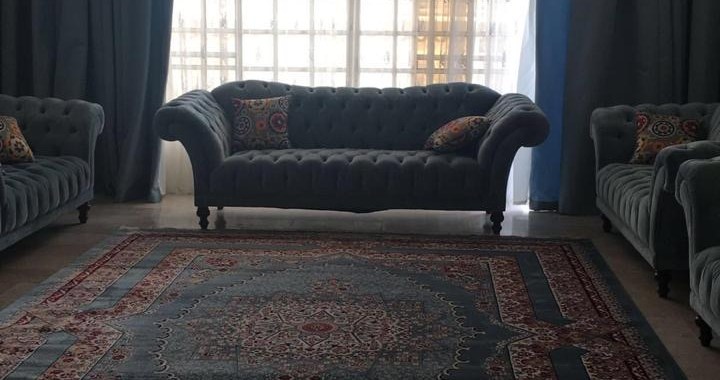
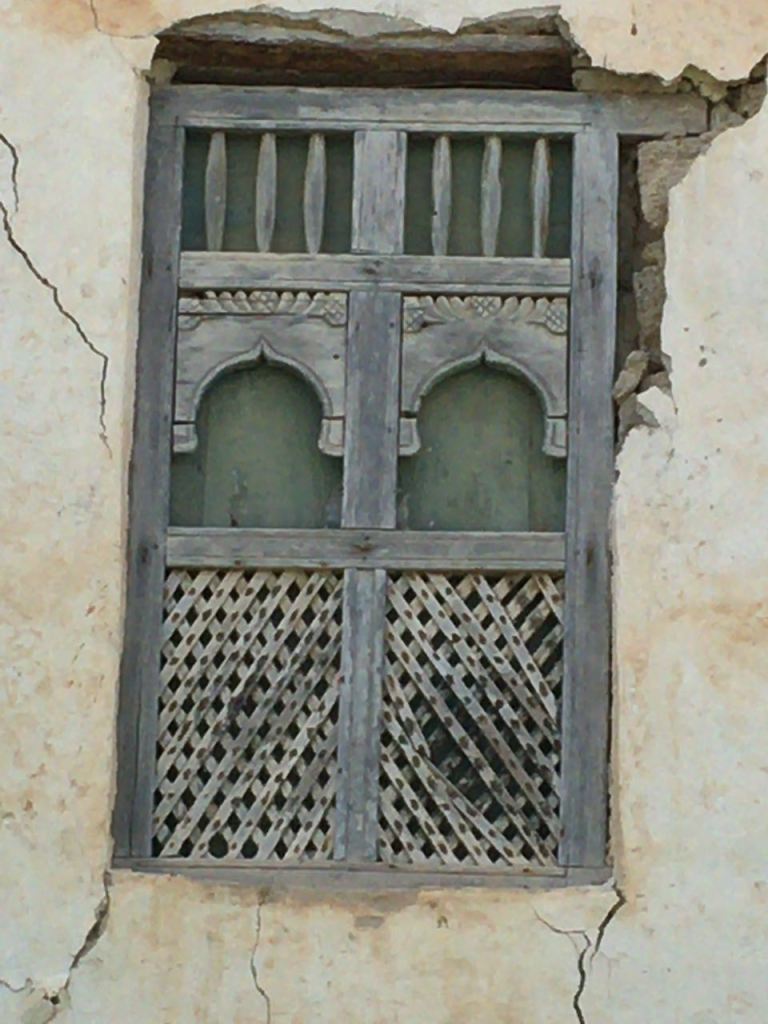
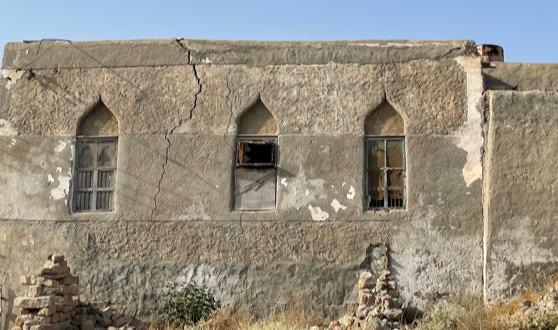
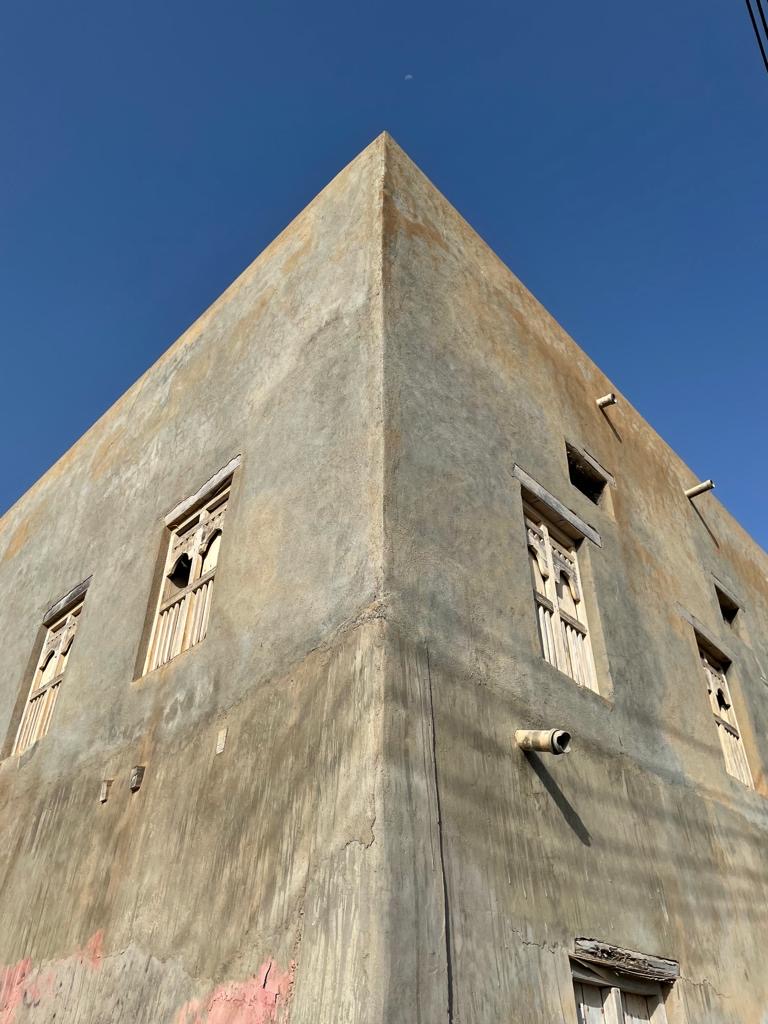
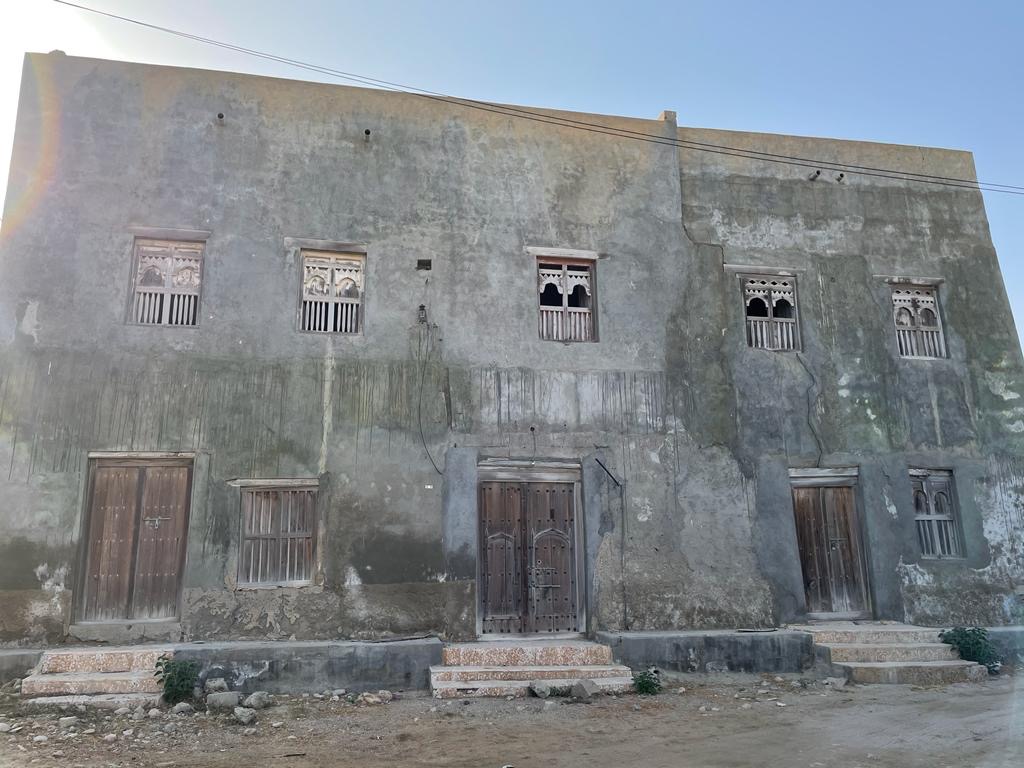
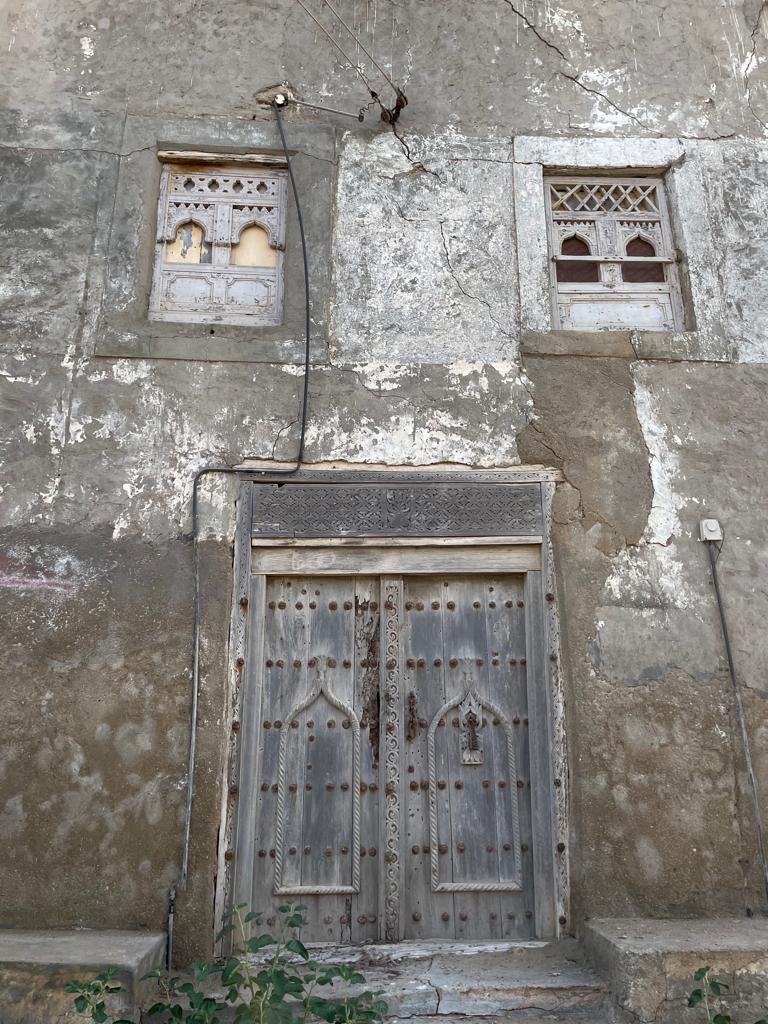
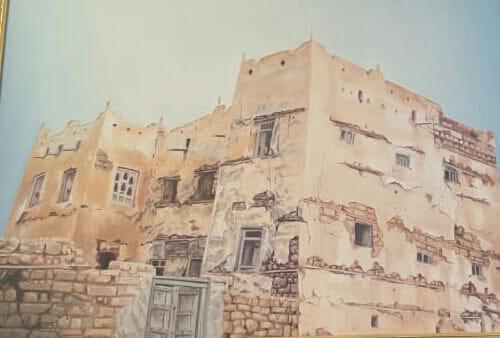
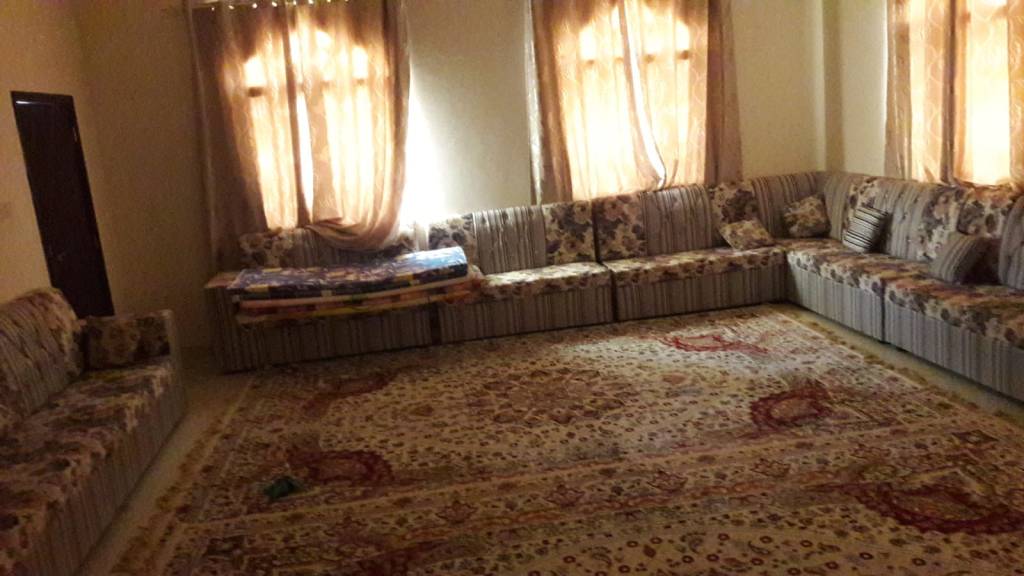
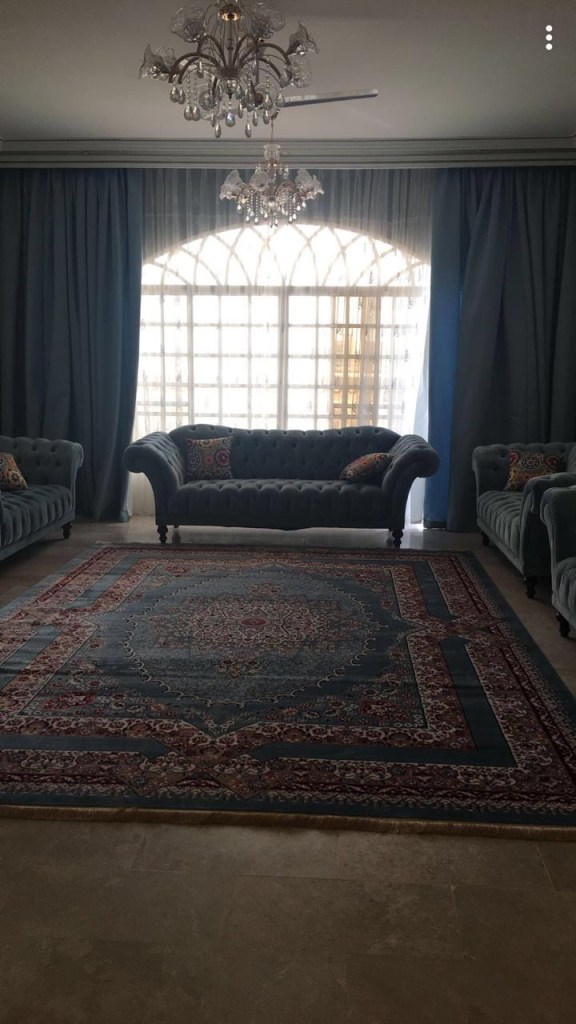
I recently found a few photos of windows in my files. In both older and more modern houses, the goal of a window is to allow the movement of air, without allowing anyone to see inside the building. In older houses, this is done with wooden decorations (mashrabiyya). In modern homes, this is done with gauze, voile, lawn or muslin curtains during the day and a heavier, second layer of curtains pulled across the window at night. The second layer is usually made of silk, rayon, velvet or blackout material.

Below are some examples of older houses. Note that some have boards behind the window because the house is not in use now. 

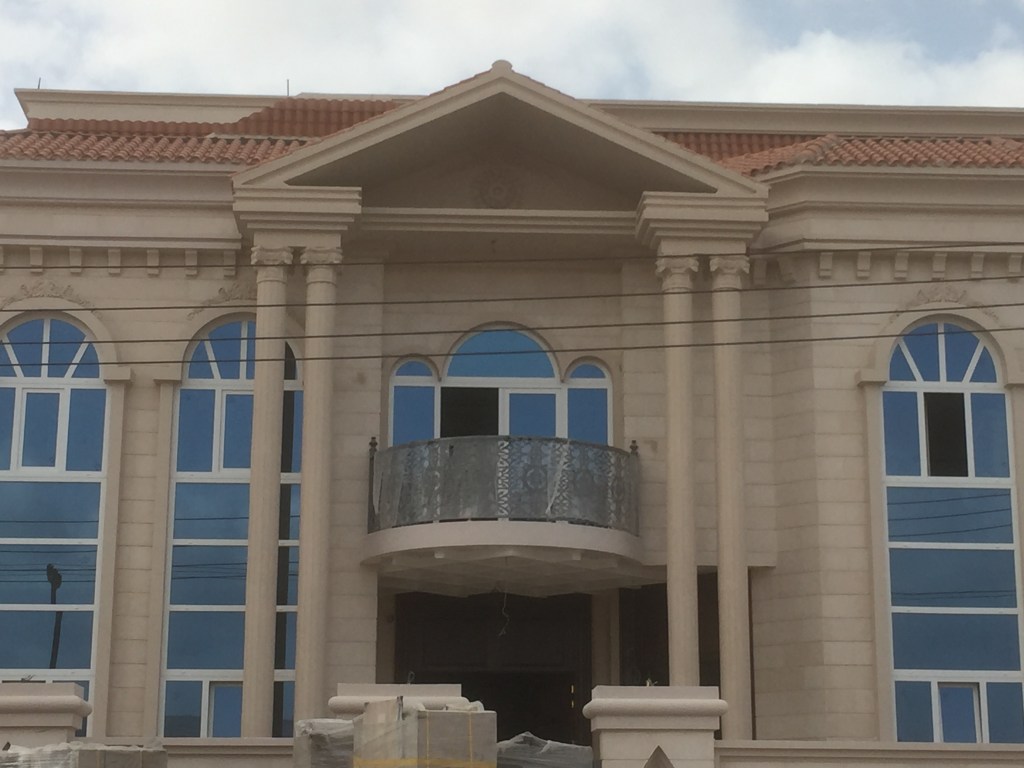
Here are some modern examples. In one, because the balcony door is above street level and set back, the door can be left open as there is no angle to see inside the building. Note also that windows have reflective covering which also makes it impossible to see inside.

Houseways: Windows/ Design, Construction and Safety

Houseways: Windows/ Sightlines

Houseways: Placement of Furniture and Sightlines

Houseways: ‘Homespaces’ Away from Home

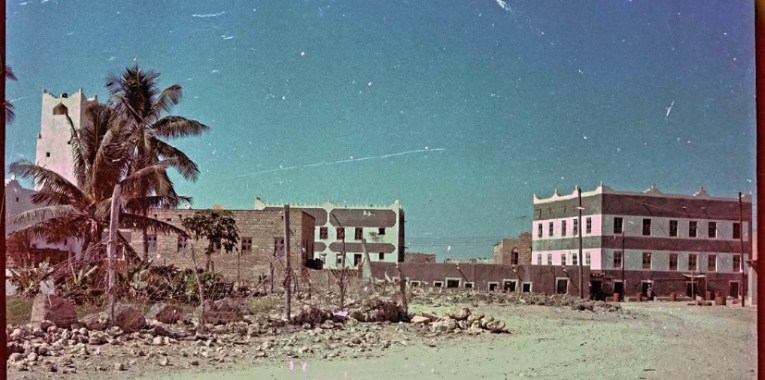
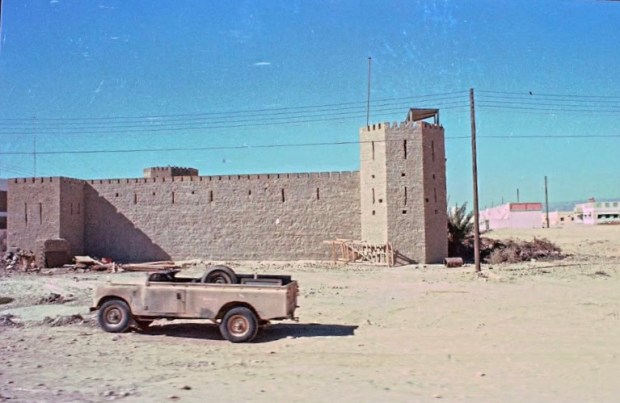
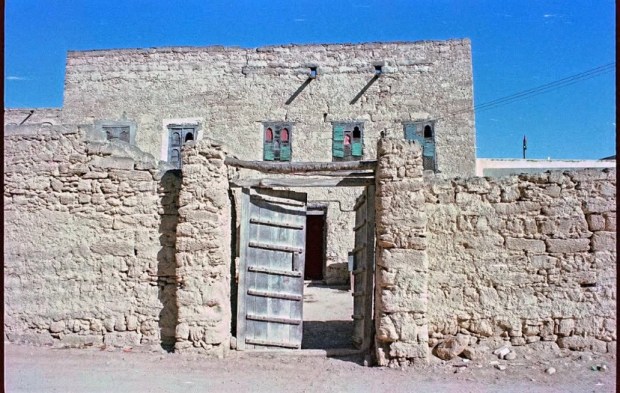
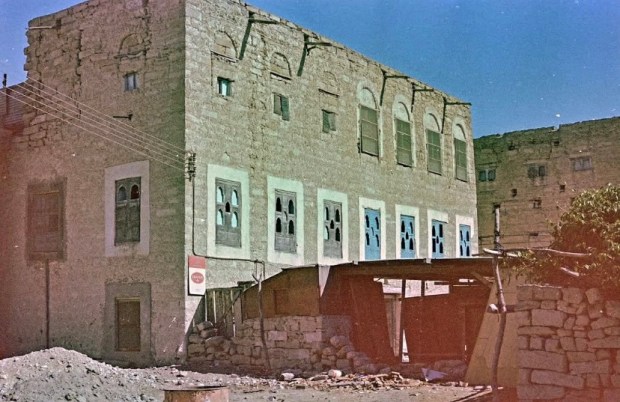
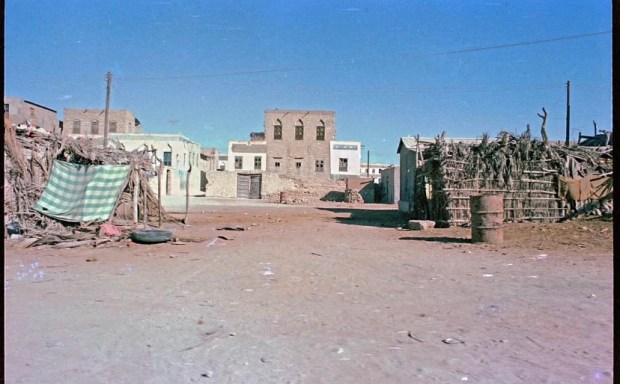
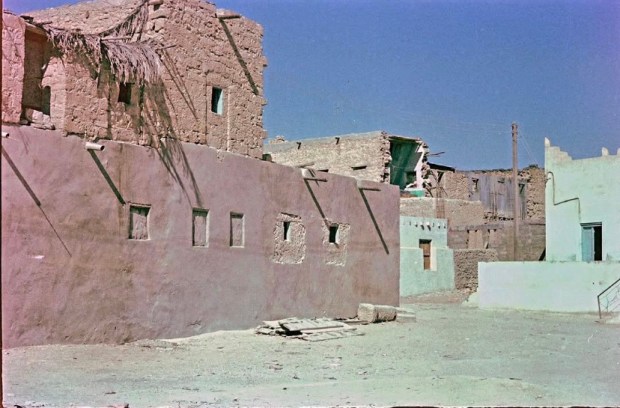
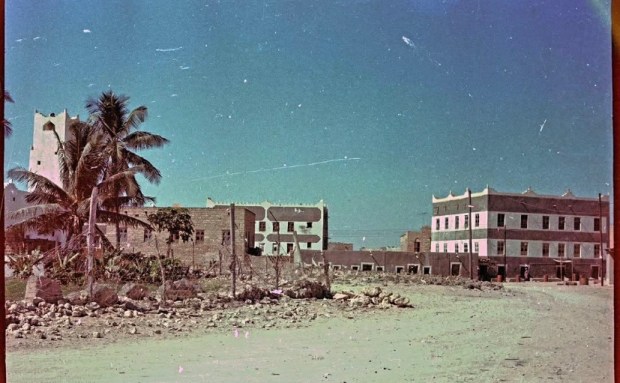
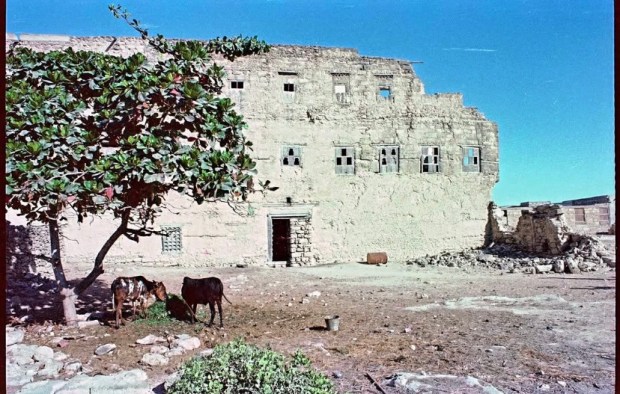
Houseways: Photos of Older Houses in the Dhofar Region of Oman

A Dhofari friend recently posted these older photos of houses in the Dhofar region. 

Houseways: House plans

Houseways: Doorways – Design and Culture/ المداخل

Houseways: Entrance Ways – Form Follows Function; طرق المداخل – الشكل يتبع الاختصاص

Selected references related to Houseways in Southern Oman, Oct. 2022

Reflections on Houseways Research


Essay published: What a Frog in Boiling Water Knows: Oman, Before and After

I am happy to announce that my chapter “What a Frog in Boiling Water Knows: Oman, Before and After” has been published in Emanations 12. Brookline, MA: International Authors, 2026: 304-311. link to book

excerpt

At the Boston Museum of Fine Arts I like ‘Woman and Flowers’ by Alma-Tadema, one of my favorite painters, but the painting I love most is ‘Rest on the Flight into Egypt’ by Luc Olivier Merson, such a quiet, graceful scene.

I bought a membership to the museum and within a month I was back. I paid a visit to the Egyptian section, then ventured further out, into the American and impressionists exhibits. Two weeks later, I spent another morning walking around without a map. It was nice to come across Paul Revere’s silverwork and the painting of flowers exhibit, but the only places I really wanted to be was in front of Merson’s painting or anything Middle Eastern from before 1500 CE.

Walking into a room in the Ancient Egyptian section that I hadn’t seen before, I suddenly understood why the museum brought me such serenity. The cases were full of small, wooden boats full of men in white sarongs. Oh, I realized, they look like the research guys.

Most of the Omani men I did ethnographic research with are full- or part-time fishermen. And they wear a wazar, a piece of fabric wrapped around their waists that falls to their knees which is often plain white cotton or white with a light checkered or striped pattern.

And the man in the painting ‘Rest on the Flight into Egypt’ sleeps as the research guys sleep when they are camping, directly on sand next to a fire with a blanket underneath and a blanket over which is pulled up to cover the face. For everyone else, the man in the painting is Joseph; for me, it’s one of 15 different men who I was friends with, went fishing with, had hundreds of picnics with, asked questions of and who I miss terribly.

My grief is much smaller than most people who have been displaced by wars and hatred. Relatives co-signed my lease so I have a place to stay; my mom helps me get through a Boston winter by gifting flannel sheets and sweaters. But I stand in front of that painting and cry as it seems to hold all the harmony that I have lost.

Then, as so often happens, the book I needed to understand how I felt appeared at the right time. Amidst the postcards and scarves in the museum shop, I saw ‘All the Beauty in the World: The Metropolitan Museum of Art and Me’ by Patrick Bringley. Although my favorite museum is the Frick, I also love the Met and the cover mentioned something about grief, so I thought it would be interesting.

I read it in one morning, crying all the way through. What Bringley gets so right is how a loss, even when you know it’s coming and you have a pretty good idea how much it is going to hurt, stops the forward motion of your life. His book isn’t ‘feel-good’ or & ‘how to’; after his brother died, Bringley walked away from his career and became a security guard at the Met for ten years.

Marriage and Peace/ Marriage and Joy in Dhofar

Houseways: ‘Homespaces’ Away from Home

Living Expat, A Remembrance of Happier Times on the Arabian Peninsula

Team Thesiger: ‘Arabian Sands’, ‘The Worst Journey in the World’, ‘The Snow Leopard’ and ‘Into Thin Air


Screenshot