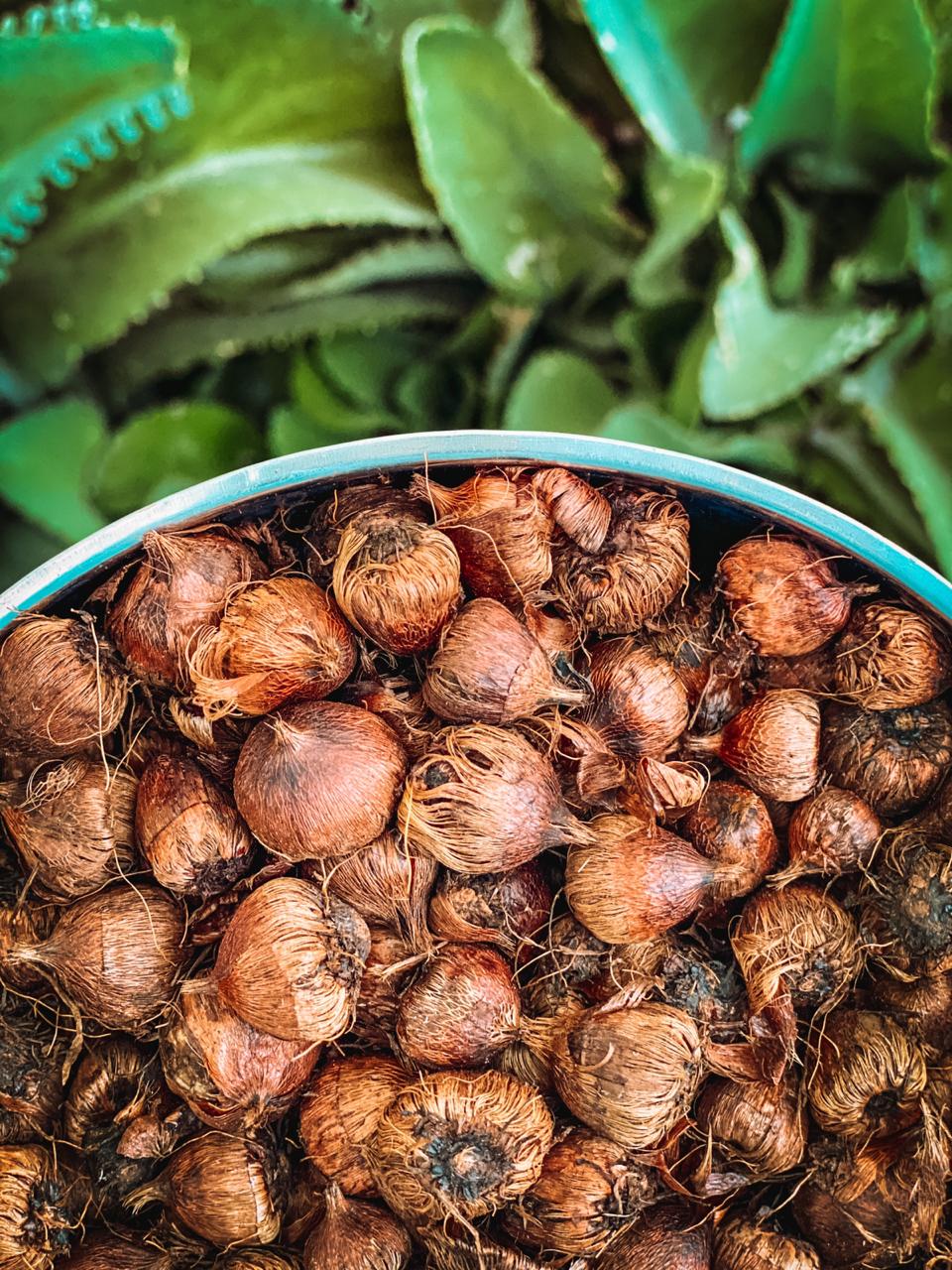
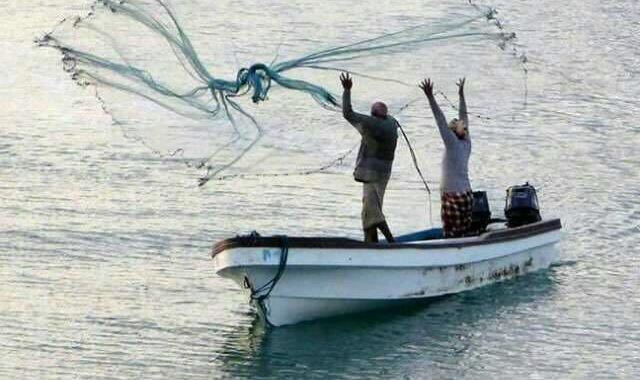
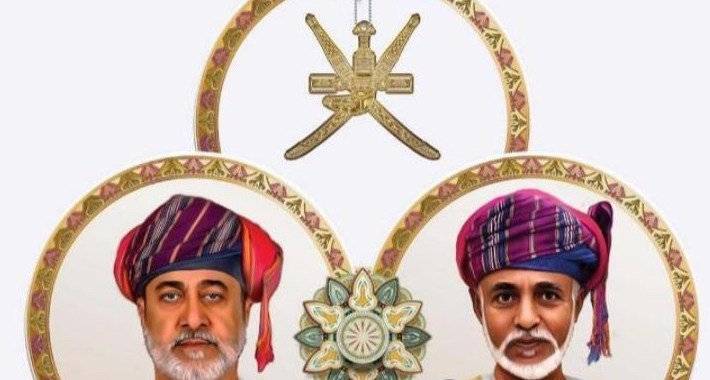
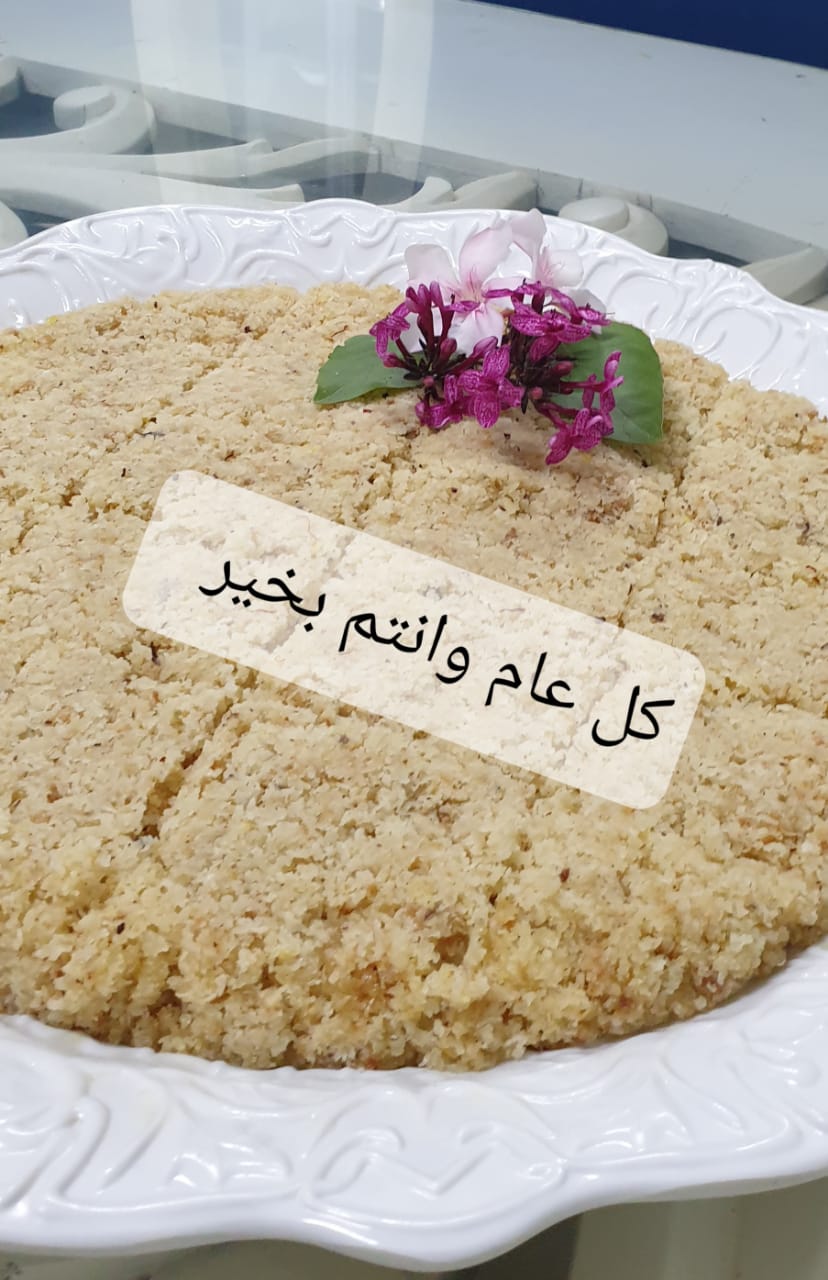
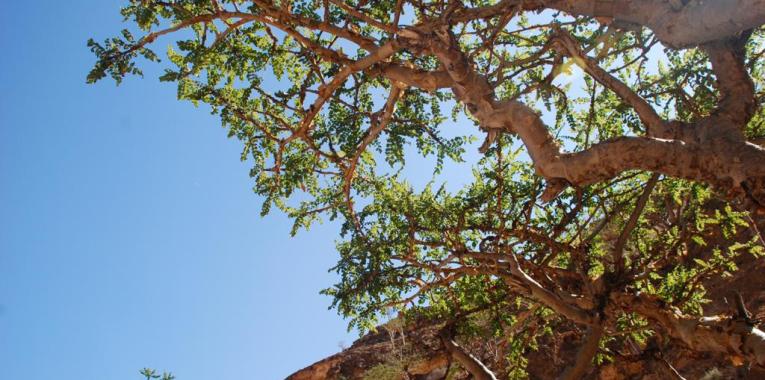
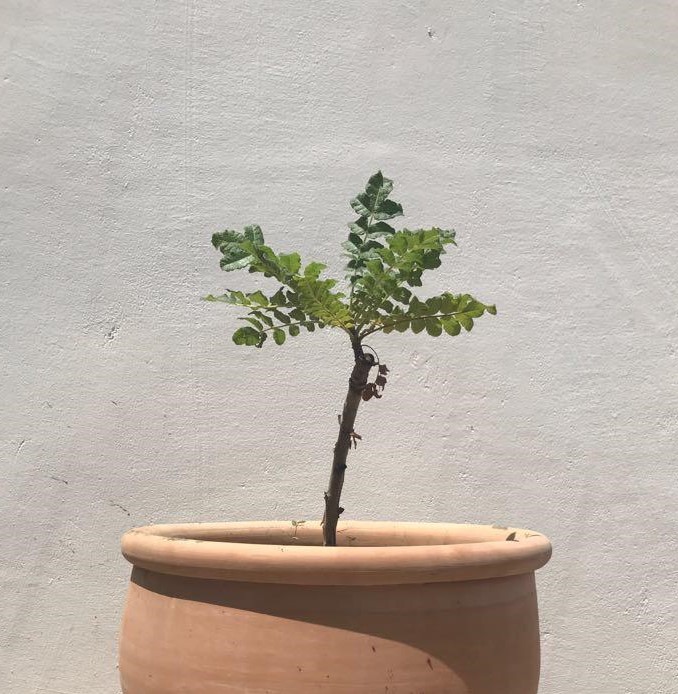
Photographs of Dhofar, Oman by S. B.

I am so grateful that a dear friend who is an amazing, creative artist has allowed me to use her photos. She lived in Dhofar for several years and really captured the spirit of this beautiful region.

I work with words but images are essential because if you want to understand a place, you need to see it from many sides with all the senses. Dhofar is the sight of frankincense trees, the smell of frankincense burning, the call of the ladies at Haffa souq telling you to come see their beautiful majmars (frankincense burners), and the sometimes smooth, sometimes bumpy feel of the hardened resin.

Dhofar is the taste of kebsa, basbousa made with coconut, Chips Oman, fresh lime juice with mint, warm paratha with processed cheese, freshly-caught grilled fish served with white rice and dates, coconut milk drunk from the coconut and tea drunk near the edge of Jebel Samhan looking out to the sea. Dhofar is the groups of old women sitting around a plate of stuffed vine leaves talking over all the news and the groups of old men sitting in their daily meeting place surveying everyone who passes and talking over all the news. Dhofar is everyone saying, “it’s qumariya [full moon] let’s have a picnic!” and picnicking in the drizzle of khareef.

Dhofar is the sound of the call to prayer from mosques, the ululating at a wedding party, the whooshing of blow-holes at Muqsal, the howling of winter winds, the thumping bass of a shabab’s car, the squawking of gulls at the beach and parrots in the guava trees, the bellowing of camels standing arrogantly in the middle of the road tossing their heads and refusing to move, the bleating of goats, the lowing of cows, the rustling of palm trees, the low humming of ACs and that odd chirping of lizards.

Dhfoar is the shine of the gold shops, Lulus’ electric neon at night, the warm yellow glow of the fancy streetlights, the flash of bright yellow as a weaver bird wings by, and the scents of dozens of perfumes wafting in the air. Dhofar is hard-packed sand roads along the beach and the rocky roads in the mountains which lead to scenic overlooks, the perfect silence of the Empty Quarter, hot May days, cool January nights and the lovely surprise of seeing a gazelle.

Animals

Landscapes and Plants

This slideshow requires JavaScript.

Images about Keeping Safe in Oman: Coivd-19 and Rain Storm

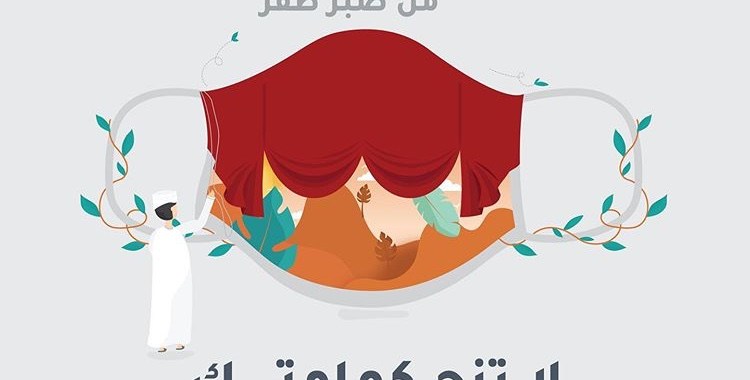
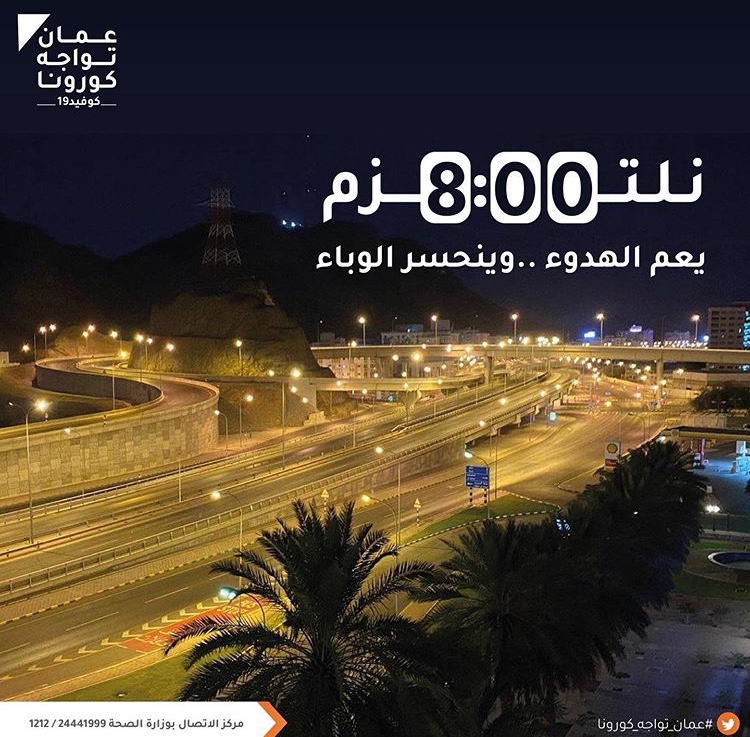
A small collection of images highlighting the Omani government’s efforts to keep citizens and residents safe with frequent and clear messages about Covid 19 and the weather, with a few photos of the effects of the recent rain storm.

Part of my reason for posting is to celebrate these graphic designers whose work conveys vital information in an easy-to-understand manner to people who live in Oman, some who do not speak Arabic. For example, the image about buying animals on-line (not in-person at markets) is clear and the animals are so cute, they attract you to look at them! Another good example is the image from Al Buraimi which has a lot of data carefully laid out so that the reader can understand quickly.

A second reason it that images like this are now seen everyday on social media, but they are ephemeral. I hope the virus will disappear soon and then these type of postings will also disappear. I think it’s important to consider (and remember in the future) how the virus is being fought not just by issuing rules and regulations, but educating, supporting and warning.

This slideshow requires JavaScript.

Rainstorm

This slideshow requires JavaScript.

A Sense of Place – Everyday Images of Animals and Landscapes in Dhofar

RAIN in Dhofar today! A tropical depression is blessing us with a lot of rain. The camels, cows, goats, and donkeys are going to be really happy – it will be green in Dhofar long before Khareef arrives.

This is the second post of ‘everyday’ images – taken by me, friends or from social media (with the photographer’s name in the image). I think sometimes people focus on the different, the exotic, the special but I want to highlight the normal sights in Dhofar and the great variety of wildlife and landscapes.

Animals

This slideshow requires JavaScript.

Landscapes – Coast

This slideshow requires JavaScript.

Landscapes – Mountain and Desert

This slideshow requires JavaScript.


Safety in Difficult Times

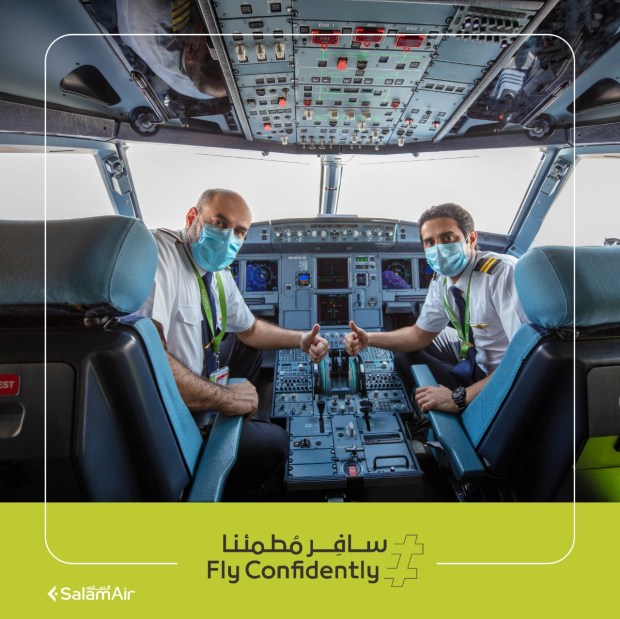
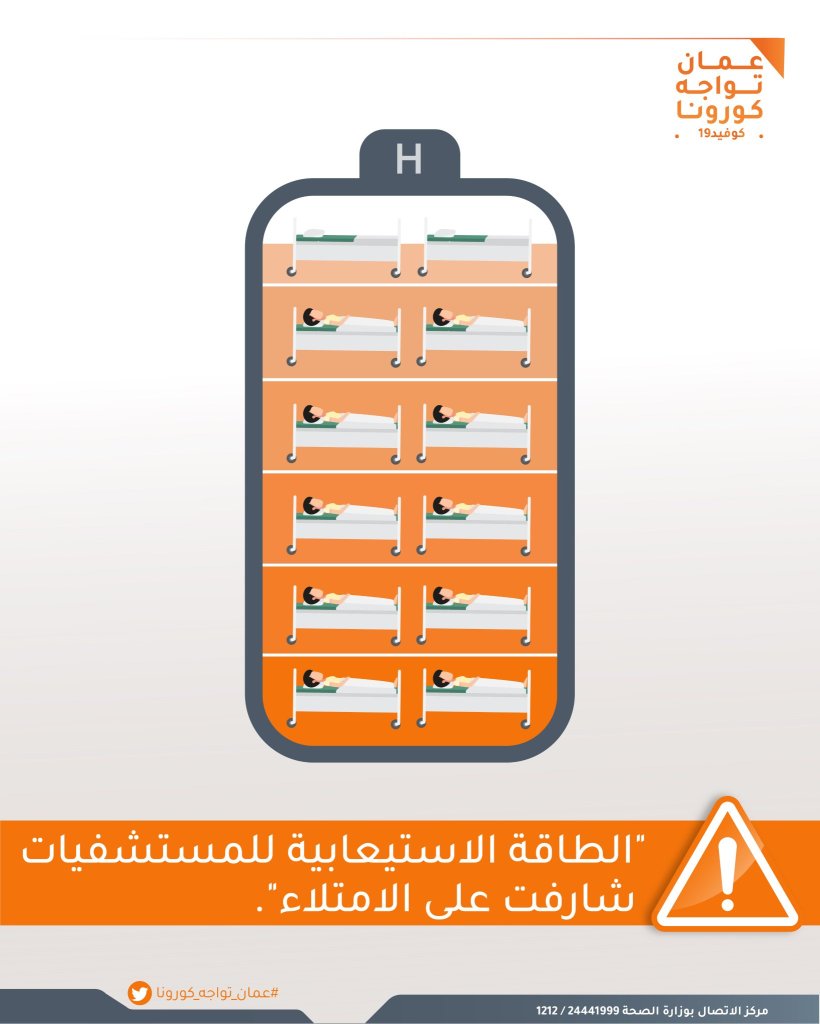
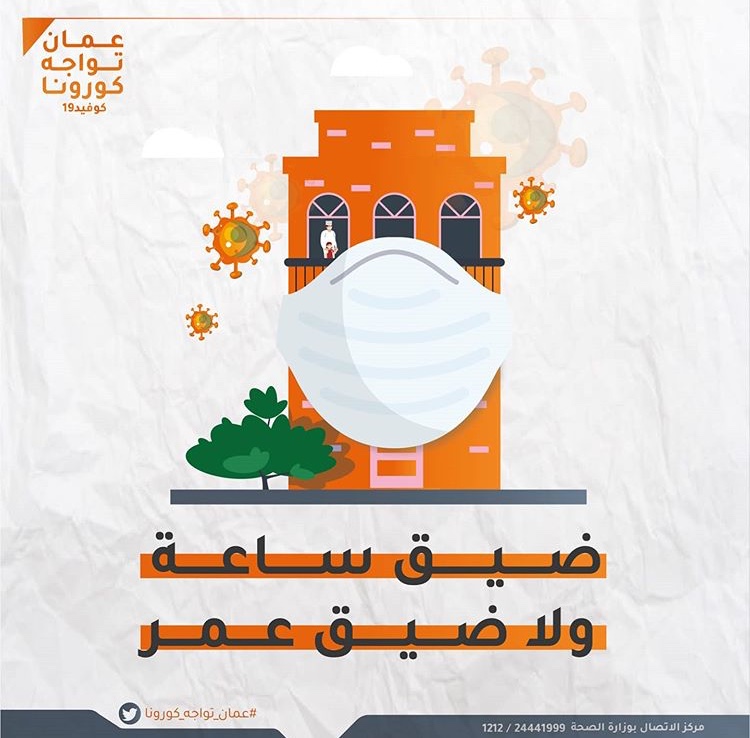
Last Ramadan I gathered food images, but with the virus, people are having fewer large Iftar gatherings and, as the weather is hot, there are fewer picnics. Many of the images circulating now are created in order to educate and warn people. I think the government is doing an excellent job of being very clear about the dangers of corona and supplying fast, accurate information. Below are a few examples:

This slideshow requires JavaScript.


Food Research/ Corona Virus in Oman

My research into foodways in Dhofar has been hampered by the corona virus, but when you work in the field of ethnography, any object or event is a way to gain insights so I have been focusing on: what food-related events can I notice/ interpret during this stay-at-home time?

First, the Omani government is doing a fantastic job of disseminating information to all citizens and residents. There are regular news bulletins (in Arabic and English) with not only clear instructions (how to properly wash hands, what are the symptoms of corona, etc. – example below), but also the rational for the government’s actions. There are daily updates of the number of cases in the Sultanate and where to go for medical help, including explicit statements that 1) health care is free to everyone and 2) expats will not be asked for a labor card, allowing people in the country without a valid visa to get help (example below).

Two small actions which I appreciate are that all official government notices are in same design/ font/ color so it’s easy to know it’s an official message. Also hypermarkets have the housewares, clothes, computer, appliance sections cordoned off/ lights turned off to prevent people from browsing for fun, but if you need a particular item, you can ask permission to enter and get one item. This reduces the stress of worrying about getting a replacement if something breaks but means that people aren’t congregating in large stores to pass the time.

Related to food issues, the government has done its best to stop hording with regular announcements that there is sufficient food (example below) and announcements/ photos of fresh fruits and vegetables purchased from India. There are announcements of the illegality of price-gouging in stores and that all delivery services must follow safety regulations (example below). All customers must have their temperature checked before entering a grocery store and all grocery stores must ensure all carts are sanitized before each use, all customers wear gloves, and free hand sanitizer is available (example below).

Grocery stores (during my once a week shopping trip!) are well-stocked with all the basics: vegetable oil, rice, meat, fish, basic fruits and vegetables such as onions, potatoes, carrots, cucumbers, apples, oranges, bananas, etc. There are all kinds of cleaners/ sanitizers; masks sell out quickly, but new supplies arrive every week. However, there are fewer types of fruits and vegetables (especially frozen ones) and some non-Omani, non-essential foods are not being restocked (cheddar cheese, types of noodles, sauces, chips).

In terms of my research, before corona, it was almost exclusively women who used Instagram and Whatsapp to advertise home catering businesses, but now men are starting to use social media to sell fish (cleaned, cut and delivered) and lobster (during the time it is in season) because the fish markets are closed. These ads explicitly state that safe hand-over procedures will be followed. The government has also created an on-line fish market to help buyers and sellers find each other (see below).

As it is Ramadan and I can’t check in with my informants (it would be impolite to bother them with research questions during the holy month), I am assuming, but can’t prove, that family/ neighbor supply lines are being used to share cow and camel milk, meat, fish, fruit and vegetables. What I have heard anecdotally is that some Dhofaris whose workplaces are closed are using their free time to bring in extra food supplies by working/ supervising  on their farms, fishing etc. During every Ramadan, Dhofaris buy and make food to give to others, especially those in need, but during this Ramadan in particular, people are extending extra efforts to make sure everyone has sufficient fresh food.

examples of official testing message regarding food:

This slideshow requires JavaScript.


examples for general safety/ staying healthy/ dispelling rumors

This slideshow requires JavaScript.


Let’s stay home and stay safe: the Corona virus in Oman

Salalah had its first confirmed case yesterday and the local government is trying to find everyone who was in contact with the person who is reported to have delivered pizza for I-Pizza. The government is working to keep everyone healthy with many restrictions on travel and gathering.

https://www.moh.gov.om/en/corona

https://covid19.moh.gov.om/#/home

Phone numbers:

    • Ministry of Health National Hotline: +968 9219 9389 or Muscat Hotline: +968 9092 4212
    • Royal Hospital (severe cases): +968 2459 9000
    • Al Nahdha Hospital (mild cases): +968 2250 3333
    • Central Public Health Laboratory: +968 9131 3316
    • Infection Prevention and Control: +968 9131 3315

(photo by Salwa Huabis)

IMG_4462

Two collaborations between Omani writers and Omani artists

Tales from Jabal Akhdhar

Five stories written and curated by Azhaar Ahmed with illustrations by Ibtihaj Al Harthi

https://www.omanobserver.om/tales-from-jabal-akhdhar/

Unoriginal Tales: 10 Fantastical Stories from Oman

by Ammar al Naaimi with illustrations from 10 Omani artists

https://www.omanobserver.om/al-naaimis-book-features-illustrations-of-local-artists/

Available on amazon.com

(photo by Hussein BaOmar)