Houseways: Doorways – Design and Culture/ المداخل

[I am very grateful to Arooba Al Mashikhi for this translation and to my colleagues Dr. Ali Mohamed Algryani, Dr. Amer Ahmed and Dr. Yasser Sabtan for additional assistance in translating.]


first published July 30, 2021

In an earlier essay, I discussed how rooms were arranged: Houseways: Doorways – Design and Culture

ناقشت في مقال سابق كيف يتم تنسيق الغرف:  Houseways: Doorways – Design and Culture


This essay is one of three related pieces about the interplay between behavior and space: how certain behaviors create a need for a certain kind of space (entryways), how a certain kind of space creates the need for certain behaviors (talking in the salle) and the intermix of house design and behavior (front doorways).

هذا المقال هو واحد من ثلاثة مقالات ذات صلة حول التفاعل بين السلوكيات والمساحة: كيف تخلق سلوكيات معينة حاجة لنوع معين من المساحة (المداخل) ، وكيف يخلق نوع معين من المساحة الحاجة إلى سلوكيات معينة (التحدث في الصالة) والتداخل بين تصميم المنزل وسلوكياته (المداخل الأمامية)

Talking about front doors is, to me, a chicken-and-egg issue. Did behaviors help form door shapes or did door shapes help form behaviors? Impossible to tell.

الحديث عن الأبواب الأمامية هو  بالنسبة لي مثل الحديث عن معضلة الدجاجة والبيضة. هل ساعدت السلوكيات في تشكيل أشكال الأبواب أم هل ساعدت أشكال الأبواب في تشكيل سلوكيات؟ من المستحيل التيقن من ذلك.

Whatever the cause, most Dhofari houses have two front doors of differing sizes. The main door, leading to the main hallway, usually faces is the street and is both larger and more decorated than the door which leads to the majlis, which is often at a 90 degree angle to the main door and the street.

مهما كان السبب ، فإن معظم المنازل الظفارية لها بابان أماميان بأحجام مختلفة. عادةً ما يكون الباب الرئيسي المؤدي إلى الممر الرئيسي يواجه الشارع ويكون أكبر حجمًا وأكثر زخرفة من الباب المؤدي إلى المجلس ، والذي غالبًا ما يكون بزاوية 90 درجة إلى الباب الرئيسي والشارع.


In Salalah, main doors of houses that are set-back from the street are often Palladian-style with an arched transom window and thin vertical windows with opaque glass on either side. They are also often wider than average to allow large furniture to be moved in and out. This usually means either one wide door or double doors in which the right-side door is used daily while the left is locked in place and only opened when more space is needed. There is never a post between the two doors as this would defeat the purpose of having a large open space. Screen doors are seldom, if ever, used.

في صلالة ، غالبًا ما تكون الأبواب الرئيسية للمنازل المنعكسة عن الشارع على الطراز البالادي مع نافذة عرضية مقوسة ونوافذ عمودية رفيعة مع زجاج غير شفاف على كلا الجانبين. كما أنها غالبًا ما تكون أوسع من المتوسط للسماح بنقل الأثاث الكبير إلى الداخل والخارج. يعني هذا عادةً إما بابًا واحدًا عريضًا أو بابًا مزدوجًا حيث يتم استخدام باب الجانب الأيمن يوميًا بينما يتم قفل الباب الأيسر في مكانه ولا يُفتح إلا عند الحاجة إلى مساحة أكبر. لا يوجد أبدًا عمود بين البابين لأن هذا من شأنه أن يلغي الغرض من وجود مساحة مفتوحة كبيرة. ونادرا ما يتم استخدام أبواب زجاجية.

The majlis door is usually the standard size [apx. 115 cm wide, 210 cm high] and, while it might have a transom window, there are usually not windows on either side. It might be a double door, but I have never seen one that was as wide or wider than the main door.

عادة ما يكون باب المجلس بالحجم القياسي (عرض 115 سم، ارتفاع 210 سم كحد أقصى)، وعلى الرغم من أنه قد يحتوي على نافذة رافدة، فعادة لا توجد نافذة على كلا الجانبين وقد يكون بابًا مزدوجًا. لكن لم يسبق لي أن رأيت بابًا بعرض أوسع من الباب الرئيسي.

In terms of the connection between structures and behaviors, having wider doors at the main entrance makes sense as this is used by the people who live in the house and women who are visiting. And a Dhofari woman does not often go visiting by herself, she will bring children, sisters, her mother and/ or aunts along and when they arrive, they are greeted by the children who live in the house so that perhaps ten people are standing in/ near the doorway or just inside in the foyer.

فيما يتعلق بالعلاقة بين هيكل التصميم والسلوكيات ، فإن وجود أبواب أوسع عند المدخل الرئيسي أمر منطقي حيث يستخدمه الأشخاص الذين يعيشون في المنزل والنساء الزائرين. والمرأة الظفارية لا تذهب في كثير من الأحيان للزيارة بنفسها ، فهي تجلب معها الأطفال ، والأخوات ، و / أو والدتها و / أو عماتها ، وعندما يصلون ، يتم الترحيب بهم من قبل الأطفال الذين يعيشون في المنزل بحيث ربما يقف عشرة أشخاص في المنزل. / بالقرب من المدخل أو من الداخل في الردهة.

Whereas it is more usual for a man to visit a house by himself, and even if a group of men approach the majlis door together there are, as one Dhofari friend says, “protocols” of how men should enter a building. Anyone who visits Dhofar will get used to the logjam/ shuffle that occurs when several men walk up to a doorway. Younger men will step to the side or backwards to show respect; older men will move aside to avoid acting as if they want to go ahead, sometimes gently pulling on the shoulder of another man’s dishdash to allow him the honor of going first. Sometimes the negotiations will take 15 seconds until one man is persuaded to enter, then there might be further parleys until it is decided who will go second. Dhofari men go through doorways one at a time after careful demonstrations of respect and good-will.

في حين أنه من المعتاد أن يزور الرجل منزلًا بمفرده ، وحتى إذا اقتربت مجموعة من الرجال من باب المجلس معًا ، فهناك ، كما يقول أحد الأصدقاء الظفاريين ، “بروتوكولات” لكيفية دخول الرجال إلى المبنى. سوف يعتاد أي شخص يزور ظفار على الخلط / الزحام الذي يحدث عندما يسير العديد من الرجال إلى المدخل. يتقدم الرجال الأصغر سنًا إلى الجانب أو للخلف لإظهار الاحترام ؛ سيتحرك الرجال الأكبر سناً جانبًا لتجنب الظهور كما لو كانوا يريدون التقدم ، وأحيانًا يربتون على كتف رجل آخر بلطف للسماح له بشرف الذهاب أولاً. في بعض الأحيان تستغرق المفاوضات 15 ثانية حتى يتم إقناع رجل واحد بالدخول ، ثم قد يكون هناك المزيد من المفاوضات حتى يتم تحديد من سيذهب في المرتبة الثانية. يمر الرجال الظفاريين عبر المداخل واحدًا تلو الآخر بعد مظاهر متأنية من الاحترام وحسن النية.

The same sequence does not usually occur with women. If four women approach a doorway at the same time, there will not be a delay in entering. Perhaps a young woman might let an older woman go first but for example, children might race ahead or tug their mother’s abayah to pull her forward or a younger woman might enter, then turn around to help an older woman over the threshold.

لا يحدث نفس التسلسل عادة مع النساء. إذا اقتربت أربع نساء من مدخل في نفس الوقت ، فلن يكون هناك تأخير في الدخول. ربما تسمح امرأة شابة للمرأة الأكبر سنًا بالذهاب أولاً ، ولكن على سبيل المثال ، قد يتسابق الأطفال إلى الأمام أو يسحبون عباءة والدتهم لسحبها إلى الأمام أو قد تدخل امرأة أصغر سنًا ، ثم تستدير لمساعدة امرأة أكبر سنًا على تجاوز العتبة.

When leaving, the same dichotomy exists. Women leave together by the main door, unconcerned about who goes through the door first and, in any case, the door is usually wide enough to allow two or more to walk through at the same time. The doorway cluster can be the group of women who came together or, if a single woman came to visit, then the hostess, children and perhaps other women in the house will be near the door to say “goodbye.”

عند المغادرة ، يوجد نفس الانقسام. تغادر النساء معًا عند الباب الرئيسي ، غير مهتمات بمن يمر من الباب أولاً ، وفي أي حال ، يكون الباب عريضًا بما يكفي للسماح بمرور شخصين أو أكثر في نفس الوقت. يمكن أن تكون مجموعة المدخل عبارة عن مجموعة النساء اللاتي اجتمعن ، أو إذا حضرت امرأة واحدة للزيارة ، فستكون المضيفة والأطفال وربما النساء الأخريات في المنزل بالقرب من الباب ليقولوا “مع السلامة”.

From the majlis, unrelated men leave singly, trying to time “goodbyes” so that one is not approaching the door at the same moment as another man which would necessitate at least a symbolic “after you – oh no, you first – please, I insist – I couldn’t, please go ahead” sort of exchange.

من المجلس ، يغادر الرجال غير الأقارب بمفردهم ، محاولين توقيت “التوديع” حتى لا يقترب أحدهم من الباب في نفس اللحظة التي يقترب فيها رجل آخر مما يتطلب شكليات رمزية أقلها “بعدك – أوه لا ، أنت أولاً – من فضلك ، أنا أصر – لا أستطع ، تفضل!”

Men who are related or friends can leave in groups as the order of precedence (or lack thereof) is established and will not require gestures of politeness.

يمكن للرجال من الأقارب أو الأصدقاء المغادرة في مجموعات حسب ترتيب الأسبقية (أو عدم وجودها) ولن يتطلب الأمر لفتات مهذبة.

To explain this phenomenon another way, there is a general cultural understanding in Dhofar that the person standing on the right hand side of a doorway should enter first. But whereas men will actively try to maneuver themselves towards the left and another man towards the right, women will not attempt to change their position or the position of another woman as they approach a door.

لشرح هذه الظاهرة بطريقة أخرى ، هناك فهم ثقافي عام في ظفار بأن الشخص الذي يقف على الجانب الأيمن من المدخل يجب أن يدخل أولاً. ولكن في حين أن الرجال سيحاولون بنشاط مناورة أنفسهم نحو اليسار ورجل آخر نحو اليمين ، فإن النساء لن يحاولن تغيير وضعهن أو وضع امرأة أخرى عند اقترابهن من الباب

I don’t know all the reasons for the why of this behavior. I think it is partly due to women not wanting to draw attention to themselves in public and wanting to get to an inside space as quickly as possible. Women are also often carrying or leading children. Sometimes a woman might have a crying baby or sleeping toddler who needs to be settled which is of more importance than who walks in the door first. Also, as women’s faces are usually covered while men’s aren’t, a man stepping aside to let another man go first is publicly showing his good behavior.

لا أعرف كل أسباب هذا السلوك ولكن أعتقد بأنه يرجع جزئيًا إلى عدم رغبة النساء في لفت الانتباه إلى أنفسهن في الأماكن العامة والرغبة في الوصول إلى مساحة داخلية في أسرع وقت ممكن. غالبًا ما تحمل النساء أو تدلُّ الأطفال ، و قد يكون لدى المرأة في بعض الاحيان طفلاً يبكي أو طفلاً نائماً بحاجة إلى الاستقرار، ألأمر الذي يُولى أهمية أكبر من  من يدخل عبر الباب أولاً. أيضًا ، نظرًا لأن وجوه النساء غالبًا ما تكون مغطاة بينما الرجال ليسوا كذلك ، فإن تنحي الرجل جانبًا للسماح لرجل آخر بالرحيل أولاً يُظهر علنًا سلوكه الجيد

From watching men’s behaviors in cafe and on picnics and women’s behavior in the salle, the same dichotomy exists in terms of seating: men actively try to give other men the ‘best seat’ (most central, closest to AC, most comfortable) while women sit where there is space closest to women they know. If there are no seats open in the salle, younger women and/ or women who live in the house will stand up to make place, but if the guest waves them down, there is not a protracted back and forth. Some older women prefer to sit on cushions on the floor and if a woman has settled herself, no one will try to force her to another place.

من مشاهدة سلوكيات الرجال في المقهى وفي النزهات وسلوك النساء في الصالة ، يوجد نفس الانقسام من حيث الجلوس: يحاول الرجال باصرار منح الرجال الآخرين “ أفضل مقعد ” (الأكثر مركزية ، والأقرب إلى مكيف الهواء ، والأكثر راحة) بينما النساء يجلسن حيث تجلس أقرب إمرأة يعرفنها. إذا لم تكن هناك مقاعد مفتوحة في الصالة ، فستقف النساء الأصغر سنًا و / أو النساء اللائي يعشن في المنزل لتوفير مكان ، ولكن إذا قامت الضيفة بتوجيههن للجلوس فلن يكون هناك نقاشا مطولا. تفضل بعض النساء الأكبر سنًا الجلوس على وسائد على الأرض وإذا استقرت المرأة بنفسها ، فلن يحاول أحد إجبارها على الانتقال إلى مكان آخر.


Houseways: Entrance Ways – Form Follows Function; طرق المداخل – الشكل يتبع الاختصاص

[I am very grateful to Arooba Al Mashikhi for this translation and to my colleagues Dr. Ali Mohamed Algryani, Dr. Amer Ahmed and Dr. Yasser Sabtan for additional assistance in translating.]

first published July 17, 2021

In an earlier essay, I discussed how rooms were arranged: Houseways: Entrance Ways – Form Follows Function

Houseways: Comparisons – Types of Rooms and Sightlines  — ناقشت طريقة تخطيط الغرف في مقال سابق

This essay is one of three related pieces about the interplay between behavior and space: how certain behaviors create a need for a certain kind of space (entryways), how a certain kind of space creates the need for certain behaviors (talking in the salle) and the intermix of house design and behavior (front doorways).

هذا المقال هو واحد من ثلاثة مقالات ذات صلة حول التفاعل بين السلوكيات والمساحة: كيف تخلق سلوكيات معينة حاجة لنوع معين من المساحة (المداخل) ، وكيف يخلق نوع معين من المساحة الحاجة إلى سلوكيات معينة (التحدث في الصالة) والتداخل بين تصميم المنزل وسلوكياته (المداخل الأمامية)

Several members of my family work in the fields of design and planning, so I grew up listening to a lot of talk about architectural details and the effective organization between and within buildings. A favorite mantra was: form follows function, meaning the purpose of the space determines the size and shape of the space.

يعمل العديد من أفراد عائلتي في مجالات التصميم والتخطيط ، لذلك نشأت وأنا أستمع إلى أحاديث كثيرة عن التفاصيل المعمارية والتنظيم الفعال بين المباني وداخلها. كان الشعار المفضل: الشكل يتبع الاختصاص ، بمعنى أن الغرض من المساحة يحدد حجم وشكل المساحة.

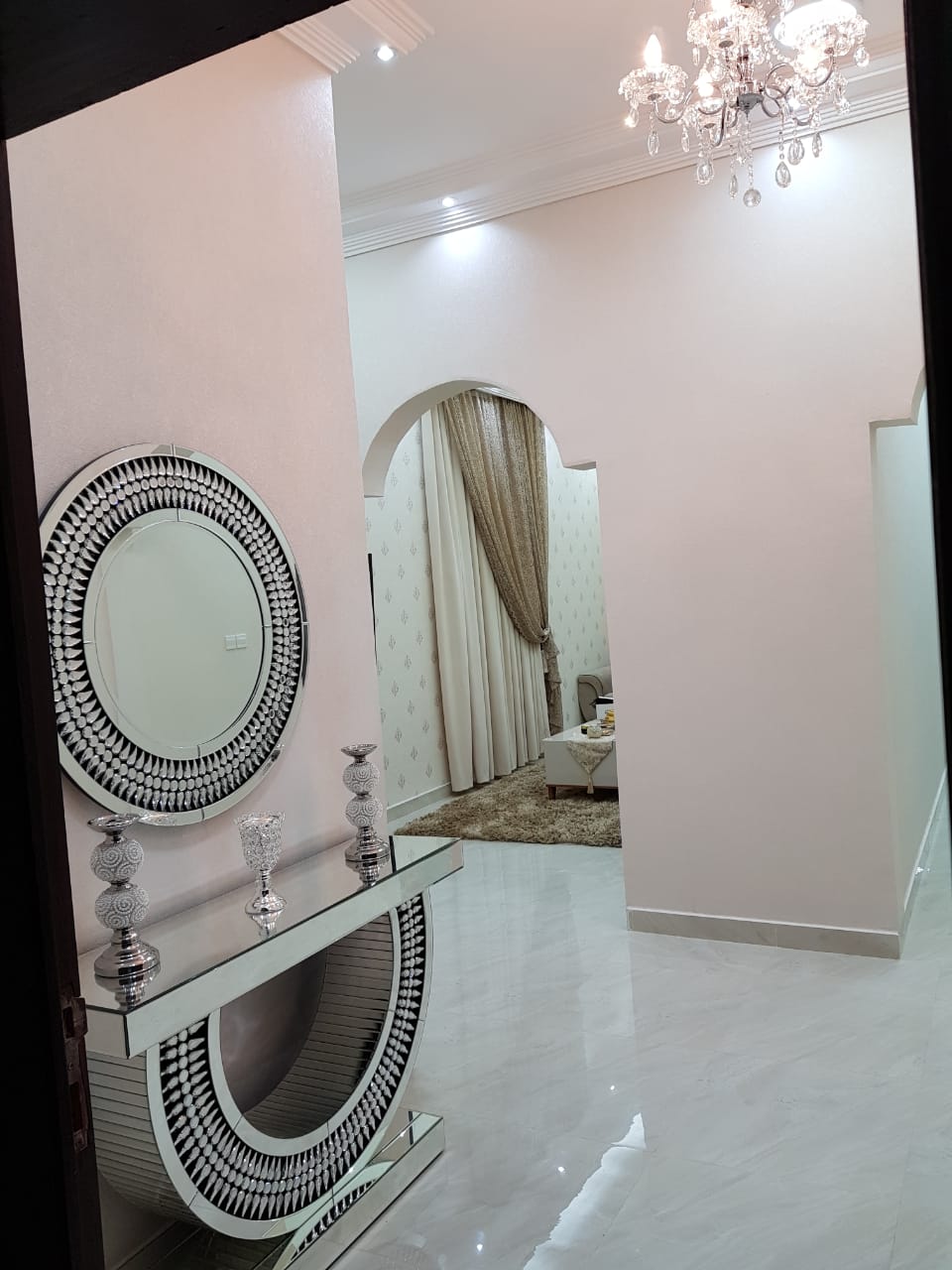
This is a good way to start to think of entrances to houses. When I first visited Dhofari houses I was surprised by the large space near the front door that leads to the main hall. The foyers were empty and, to me, unnecessary. Kids did not use the area to play in, no one sat there, there was no furniture except perhaps a rectangular side table pushed against the wall with a mirror above it or nearby – just a large empty space that had to be air-conditioned.

هذه طريقة جيدة للبدء في التفكير في مداخل المنازل. عندما زرت منازل ظفارية لأول مرة فوجئت بالمساحة الكبيرة بالقرب من الباب الأمامي المؤدي إلى القاعة الرئيسية. كان البهو فارغًا ، وبالنسبة لي ، كان غير ضروري. لم يستخدم الأطفال المنطقة للعب فيها ، ولم يجلس أحد هناك ، ولم يكن هناك أثاث باستثناء ربما طاولة جانبية مستطيلة يتم وضعها بمحاذاة الحائط مع مرآة تعلوها أو قريبة منها – مجرد مساحة فارغة كبيرة ومكيفة.

After more visits, I started to see the purpose and began to be very grateful for the entrance space as a helpful liminal space between being public (outside where everyone could see me) and private (in the salle in view of women and children).

بعد المزيد من الزيارات ، بدأت أرى الهدف وصرت أشعر بالامتنان الشديد لمساحة المدخل كمساحة محايدة مفيدة بين أن تكون في مكان عام (في الخارج حيث يمكن للجميع رؤيتي) ومكان خاص (في الصالة أمام النساء والأطفال).

To aggregate several dozen experiences, when I arrive at a house, I wear a dhobe (loose, Dhofari housedress) which is covered by a “head ababyah” (a large, black polyester square that is pulled over the head and drapes to cover my body down to the knees). It is often worn for short distances, such as from car to inside house or between neighbors’ houses; some older women wear it while shopping.

لأتمكن من جمع خبرات أكثر كنت عندما أزور منزل ، أرتدي ثوبًا (ثوبًا فضفاضًا ظفاريّا) مغطى بـ “عباية الرأس” (مربع كبير من البوليستر الأسود يتم سحبه فوق رأسي وستائر لتغطية الجسد حتى الركبتين). غالبًا ما يتم ارتداؤه لمسافات قصيرة مثل من السيارة إلى داخل المنزل أو بين منازل الجيران وترتديه بعض النساء الأكبر سناً أثناء التسوق

If the front door is open, I call out to show that I am there, step into the foyer, take off “head ababyah” and put it in my purse, check that my lossi (headscarf) is covering my hair, then walk into the salle. If the door is locked, I ring the bell and when it is answered, there is usually one woman with a group of children behind her who have come to see who it is. The woman will welcome me, but not ask me questions, and shoo the children away. She will stay back a few feet and not give any pressure such as saying “everyone’s waiting for you!” as I check that I am ready to go into the salle. When I start to move, she will walk to the opening of the salle with me and sit in her place. Once in the salle, all eyes will turn to me and there are sometimes questions and explanations as to who I am as I walk in a circle, greeting each woman and shaking her hand, then I find a place to sit and get ready to talk.

إذا كان الباب الأمامي مفتوحًا ، فأنا أرفع صوتي ليعرفوا أنني هناك وادخل البهو ، وأخلع “عباءة الرأس” وأضعها في حقيبتي ، وأتحقق من أن غطاء الرأس يغطي شعري ، ثم أدخل الصالة. إذا كان الباب مقفلاً ، أقرع الجرس وعندما يتم الرد، عادة ما تكون هناك امرأة واحدة مع مجموعة من الأطفال خلفها يأتون ليروا من الزائر. سترحب بي المرأة ، لكنها لا تسألني وتبتعد عن الأطفال. ستبقى إلى الخلف بضعة أقدام ولن تمارس أي ضغط مثل قول “الجميع في انتظارك!” عندما أتحقق من أنني جاهز للدخول إلى الصالة. عندما أبدأ في التحرك ، سوف تمشي معي إلى فتحة الصالة وتجلس في مكانها. بمجرد وصولي إلى الصالة ، ستلتفت كل العيون إليّ وهناك أحيانًا أسئلة وتفسيرات حول من أنا بينما أسير في دائرة ، أحيي كل امرأة وأصافحها ، ثم أجد مكانًا للجلوس واستعد للحديث.

The large, empty foyer uses gives me the chance to move from outside presentation (shapeless black figure) to inside (still shapeless but brightly colored). I can check my hair and lipstick, smooth down my dhobe and get ready to be part of the conversation. Even if there is a wedding party with over 50 women in the house, the foyer is empty and women who are further down the hallway will not come to say “hello,” until I have moved away from the door area.

تتيح لي استخدامات الردهة الكبيرة الفارغة الفرصة للانتقال من العرض التقديمي الخارجي (سواد غير واضح المعالم) إلى الداخل (لا يزال غير واضح المعالم ولكن بألوان زاهية). يمكنني التحقق من شعري وأحمر الشفاه وترتيب شعري والاستعداد للمشاركة في المحادثة. حتى لو كان هناك حفل زفاف مع أكثر من 50 امرأة في المنزل ، فإن البهو فارغ ولن تأت النساء اللواتي يجلسن في نهاية الردهة ليقولن “مرحبًا” ، حتى أبتعد عن منطقة الباب.

The area makes me think of texts from the 1800s and 1900s in which there are depictions of women going into a small dressing room to take off their wraps and change into dancing shoes such as Katherine Mansfield’s “Her First Ball.” It’s public, women in the hallway can see me and sometimes children stand nearby, but also private in that I am not expected to make small talk or answer questions.

المنطقة تجعلني أفكر في نصوص من القرن التاسع عشر والتسعينيات حيث توجد صور لنساء يذهبن إلى غرفة خلع الملابس الصغيرة لخلع لفافاتهن وتغيير الأحذية الراقصة مثل “حفلتها الراقصة الأولى” لكاثرين مانسفيلد. إنه مكان عام حيث يمكن للنساء في الردهة رؤيتي وأحيانًا يقف الأطفال في مكان قريب ، ولكنه أيضًا مكان خاص حيث لا يُتوقع مني إجراء محادثة قصيرة أو الإجابة على الأسئلة.

When I leave the house, the space again is useful as, after I say my goodbyes, step out of the salle and into the foyer, I have a moment to get my “head ababyah” back on, check my phone and get out my car keys. Perhaps my friend will come stand with me, to walk to the portico with me to wave goodbye, but the talk is easy: “say hello to your mother for me” and “I hope you have a nice weekend” sort of phrases.

عندما أغادر المنزل ، تكون تلك المساحة مفيدة مرة أخرى ، بعد أن أودعهم ، أخرج من الصالة إلى الردهة ، لدي لحظة لأعيد ارتداء “عباءة الرأس” ، والتحقق من هاتفي وأخرج مفاتيح السيارة. ربما تأتي صديقتي لتمشي معي إلى الرواق للتلويح بالوداع ، ويكون الحديث سهل: “سلّمي على والدتك”  و “أتمنى أن تحظى بعطلة نهاية أسبوع سعيدة” وهكذا عبارات.

At the end of a wedding party, there might be several women standing near the door waiting for a car to drive them home, but there is plenty of space even with children running about. And there are no expectations of doing formal greetings; when I walk into the foyer, I don’t have to say ‘hello’ to each woman. We see each other and shift to give room for whoever is leaving to get to the door, but we don’t have to interact.

في نهاية حفل الزفاف ، قد يكون هناك العديد من النساء الواقفات بالقرب من الباب في انتظار سيارة لتوصيلهن إلى المنزل ، ولكن هناك مساحة كبيرة حتى مع وجود أطفال يركضون. ولا توجد توقعات للقيام بتحيات رسمية ؛ عندما أمشي في الردهة ، لا يتعين علي أن أقول “مرحبًا” لكل امرأة. نرى بعضنا البعض ونفسح المجال لمن يغادر للوصول إلى الباب ، لكن لا يتعين علينا التواصل معا.

Thus, it’s a space that is used only for a few moments of time several times during the day but is necessary given common Dhofar behaviors. A large foyer is needed not because there are usually more than five small children living in one house, but the fact that children love to run to the door when someone knocks (or are sent to see who it is) and often stand near the door to look at a person arriving or leaving.

وبالتالي ، فهي مساحة تُستخدم فقط لبضعة لحظات عدة مرات خلال اليوم ولكنها ضرورية نظرًا للسلوكيات الشائعة في ظفار. هناك حاجة إلى بهو كبير ليس لأن هناك عادة أكثر من خمسة أطفال صغار يعيشون في منزل واحد ، ولكن حقيقة أن الأطفال يحبون الركض إلى الباب عندما يقرع أحدهم الباب (أو يتم إرسالهم لمعرفة من هو) وغالبًا ما يقفون بالقرب من الباب للنظر إلى شخص قادم أو مغادر.

As children like to be together, they might all gather in the entrance way when school age children are leaving. Mini-vans/buses come into or next to the hosh as children don’t usually walk to and wait at a bus stop since it is often very hot. With a large foyer, there is space for the mom, the children who are going to school and young children to all wait inside where it is cool. Or the space can be used by a group of sisters waiting for a car to take them shopping or visiting relatives so they don’t have to stand outside the house in view of the neighborhood.

نظرًا لأن الأطفال يحبون أن يكونوا معًا ، فقد يتجمعون جميعًا في طريق المدخل عندما يغادر الأطفال في سن المدرسة. تأتي السيارات العائلية الصغيرة / الحافلات إلى أو بجوار الحوش حيث لا يمشي الأطفال عادةً إلى موقف الحافلات وينتظرون لأن الطقس غالبًا ما يكون شديد الحرارة. مع بهو كبير تكون هناك مساحة للأم والأطفال الذين يذهبون إلى المدرسة والأطفال الصغار ينتظرون جميعًا بالداخل حيث يكون الجو أبرد. أو يمكن استخدام المساحة من مجموعة أخوات ينتظرن سيارة لاصطحابهن للتسوق أو زيارة الأقارب حتى لا يضطررن إلى الوقوف خارج المنزل أمام الحي.

[There is a difference between houses in towns and in the countryside, as rural houses usually have a dekka, seating area in the front or side of the house which means you are on display as soon as you leave the car.]

(هناك فرق بين المنازل في المدن والريف ، حيث تحتوي المنازل الريفية عادةً على دكة ، ومنطقة جلوس في مقدمة المنزل أو بجانبه ، مما يعني أنك مقابلهم بمجرد مغادرتك السيارة)

(photo above: mirror in entry way; photo below: mirror in entry way to the left, ahead to the left is entry to salle, ahead to the right is doorway of short hall leading to majlis – both photos taken by informants and used with permission)

(الصورة أعلاه: مرآة في طريق الدخول ؛ الصورة أدناه: المرآة في طريق الدخول إلى اليسار ، والأمام على اليسار مدخل الصالة ، والأمام على اليمين مدخل الممر القصير المؤدي إلى المجلس – تم التقاط الصورتين من قبل المخبرين وقمت بنشرها مع الإذن للإستخدام.

ta - hall

Houseways: Including/ Excluding Expats in Discussions about Housing

All authors know that as you write in detail about a topic, you sometimes lose sight of the bigger picture. In my first draft of  Houseways, I wrote:

And as only GCC citizens can buy land in Dhofar, non-GCCexpats live in Dhofari-designed houses or various types of apartment buildings designed for expats, without affecting the choices for house designs. In the one small, expat compound I lived in for a few years, I had Italian, French, Indian, Iraqi, American and English neighbors. In the two Omani neighborhoods I have lived in for a total of 12 years, I am the only non-Omani in whole area.

As I looked over my draft later, I realized I was not being clear; of course there are many non-Omanis in my neighborhood. I rewrote the section to read:

In the two Omani neighborhoods I have lived in for a total of 12 years, I am the only non-Omani who rents an apartment or house in whole area.

Other expats move through the neighborhood for various reasons. Some expats work as cleaners, either living in or coming a few times a week. Some expat men work as house builders; others come through regularly to go through the dumpsters for anything salvageable or recyclable. Knowing this, Omanis usually put anything that might be of value next to (not in) dumpsters so that it is easy to take. In the afternoons, men who work for small grocery stores bike around ringing a small bell, signaling that they have snacks to sell come.

Another issue is that sending in a manuscript and getting back the published book back is sometimes like sending a beloved pet for grooming. The animal that returns is your pet but looks completely different.

My abstract for the book is:

Houseways in Southern Oman explains how modern, middle-class houses are sited, designed, built, decorated and lived in with an emphasis on how room-usage is determined by age, gender, time of day and the presence of guests. Combing ethnography and architectural studies, the author draws on over sixteen years of living in the Dhofar region to analyze the cultural perceptions regarding houses and how residential areas fit within the urban areas of the southern Dhofar region.

From the average height of the walls surrounding houses to the color schemes of kitchen to the use of curtains, the book examines the material features of houses using formal interviews, visits to many Dhofari houses and the author’s ten years of living in Dhofari-designed houses in Dhofari neighborhoods. The book also discusses cultural expectations such as how and when rooms are used, who is in control of decorating choices, which spaces a guest might see and how to understand if a house is ready for visitors or if its inhabitants are celebrating or mourning. Dhofari houses are also compared to houses in other Arabian Peninsula countries and positioned within the theoretical frameworks of the “Islamic city” and the “Islamic house.”

the official abstract is:

This book explores how houses are created, maintained and conceptualized in southern Oman. Based on long-term research in the Dhofar region, it draws on anthropology, sociology, urban studies and architectural history. The chapters consider physical and functional aspects, including regulations governing land use, factors in siting houses, architectural styles and norms for interior and exterior decorating. The volume also reflects on cultural expectations regarding how and when rooms are used and issues such as safety, privacy, social connectedness and ease of movement. Houses and residential areas are situated within the fabric of towns, comparison is made with housing in other countries in the Arabian peninsula, and consideration is given to notions of the ‘Islamic city’ and the ‘Islamic house’. The book is valuable reading for scholars interested in the Middle East and the built environment.

The line: “This book explores how houses are created, maintained and conceptualized in southern Oman” is somewhat problematic for me as “houses” here is too general a term. My work is on modern, middle-class houses designed by and built for Dhofaris. There are other types of housing which I don’t have expertise in and don’t engage with.

To illustrate my point, I would like to explain one housing example I know of. For many years I visited a large nursery on the eastern side of Salalah. There was a high wall around the area, with a monumental gate as an entrance, as if eventually a large house would be built there, but in the meantime the land was used to grow plants/ turn a profit.

There were large trees planted on the perimeter, inside the high wall, and the middle area was netted over and planted with small shrubs and flowering plants. To the right was a small path which meandered past the planted areas into a section with trees which had small bags of soil tied to limbs so that the trees would put forth roots; the section would then be cut off and a new tree could be planted. To the right of this area was a small, paved courtyard, surrounded on three sides by a variety of one-story rooms made from cement blocks where the men who worked in the nursery lived.

In front of one of the rooms was a large trough sink and a basic open-air kitchen with a woven palm frond cover. A few of the rooms had open holes for windows, a few had window panes and doors. There was electricity and running water. The air was rich with tropical fragrances and birds were chattering everywhere. When I first saw it, my reaction was “I want to live there!”

I imagined how lovely it must be to sit outside at night and watch bats flit among the trees, the sound of palm fronds rustling and the air thick with jasmine. Or maybe not. Maybe there were endless swarms of mosquitos and the sound of insects was maddening. Did the men who worked there love their small courtyard? Did they wish they were in a big compound which was closer to stores with lots of other men to talk to? I don’t know; we didn’t have a language in common besides all of us knowing the names of the plants and the basics of “sun,” “too much sun,” and “no sun.”

It is with this (and many other) examples in mind that I have tried to clear that my focus on Dhofari houses means houses that are Dhofari-designed, -built, -owned and -lived in.

As a final note, I wish I had photographs of house builders as to not include them seems in a way to erase them and their work. But I haven’t figured out a way do this ethically. The person who takes most of the photographs I need is young, female and does not speak the languages common among house-builders. I do not feel comfortable asking her to engage in conversations requiring her to ask for permission to take photos and explain how those photos would be used. At some point I hope to find a way to have pictures taken with informed consent.

Houseways is published and more examples of houseplans

Houseways is published

I was thinking of moving houses this fall and it was fun to look at new houses in the context of the work I have done about houses in Dhofar.

One house had a floor plan that I had never seen before but makes sense in terms of how Omanis don’t think the smell of cooking/ cooked food is positive. The house had the common set up of a separate majlis and a large open salle. There was also a bedroom on the ground floor. However, as the house was small and the bedroom was to one side, the salle extended all the way to the back of the house. Along the far wall was sliding glass doors which led out to the hosh.

The home owner and I walked around the outside of the house and I walked into the kitchen, which had its own entrance. As I looked around, I realized that there was no connecting door from the kitchen to the inside of the house. I asked the home-owner and he showed me a narrow, raised walkway which led from the door of the kitchen to the sliding glass doors at the back of the salle. Food would have to carried from the kitchen to the salle for every meal.

As the walkway was about 4 feet above the level of the hosh, all I could think of was the possible dangers of navigating that ledge at night in khareef when the tiles would be slick with drizzle.

Another house also had a plan that was new to me. There was a majlis to the right (east) of the main door and then a large open area for the salle, but no main hallway. After the majlis on the eastern side, there was a large bedroom; its bathroom shared a wall with the bathroom of the majlis on the north side. On the south side, the bedroom shared a wall with the kitchen. The rest of the space on the ground floor was open with a stair case that started in the north-east corner (near the interior door to the majlis) and then wrapped around the north and west walls. There was a small bedroom tucked under the stair case.

There are two understandings at play here: 1) often there is a bedroom for a senior family member that is near the majlis/ salle on the ground floor so that they don’t have to walk up-stairs and 2) often the maid’s room is next to the kitchen. Given that the bedroom between the majlis and kitchen was large, I guessed that it was for an older relative and the small room under that stairs was for the maid.

I also looked at an apartment connected to a house. Facing the road there was a main entrance to the house and a door to the majlis, then a third door on the side which led to a landing with one door (the ground-floor flat) and a staircase up the first floor flat. As I walked through the first-floor flat, I realized there was no majlis. The apartment had been built for the families of sons who were not yet married. The owner was renting the apartments to help pay for the building costs, and when the sons were older, they would live in them. Thus, there was no need for a majlis in the apartment as the sons would meet in the main majlis of the family house.

I will be talking about “Changing Kitchens in Southern Oman” at the annual conference of The Association for the Study of Food and Society & The Agriculture, Food and Human Values Society

Risse, M. “Changing Kitchens in Southern Oman.” Knowing Food: The Association for the Study of Food and Society & The Agriculture, Food and Human Values Society Conference, sponsored by Boston University. Forthcoming, May 31, 2023.

My presentation will focus on the changes to kitchen design and use in Dhofar, the southern region of Oman, over the past 40 years. Using photos from my extensive collection and data from interviews, I will explain how newly-built kitchens look different, and are used differently, from kitchens built in the 1980/90s. I will discuss aspects such as placement within the house, color choices, cupboards and tables. In addition, I will show how kitchens are used by different people at different times in comparison to the late 1900s. My goal is to use kitchens as a microcosm of changes within Dhofari society as how people prepare and eat meals is a reflection of how families interact.

One example of the type of change that has happened is that now expatriate workers are often cooking within kitchens. As many families hire a male cleaner to come for a few hours every day, kitchens now should have a door so that male workers do not walk through the main parts of the house. One aspect that has not changed it that kitchens are designed for passive safety. For example, countertops are set higher than in Western countries, sometimes so high that a family member must stand on a footstool, and stoves are placed on pedestals several inches above the kitchen floor. This is done so that children cannot see or reach food or implements (such as knives) that are on the countertop, nor can they reach the controls for the stove.

Foodways: Thinking about Uses of Plastic Bags and Bottles in Dhofar

In a previous essay [ Foodways: Cultural Issues Pertaining to Litter ] I talked about some issues pertaining to litter. I would like to expand on these reflections by discussing the use of plastic bags and plastic bottles.

Decreasing the use of plastics is a worthy goal and I believe that can effectively happen when the reasons for why and methods of how people use plastic products is investigated in terms of the cultural context. In my opinion, to find replacements that will be widely adopted, it needs to be clear which specific qualities are important. Thus, the substitutes for plastic bags and bottles need to meet cultural needs, as well as environmental needs.

Cultural Understandings of Plastic Usage: Plastic Bags

1 – anything given to another person should be in a bag, not put directly into someone’s hand

There is a cultural understanding that objects should be transferred in some sort of package, never passed by hand.

2 – adults seldom carry large bags and/ or anything on their shoulders

Only schoolchildren wear backpacks. It is not common for grown-up men to bear anything on their shoulders. Some female college students will carry a small rectangular bag on their shoulder, but only within the campus area. In a mall or public place, goods are carried by hand in bags.

3 – foodstuffs, including raw meat and fresh fish, are often distributed among relatives and friends

As I have discussed in my food research, many Dhofaris give extra or purpose-bought food for others. This is almost always handed over in plastics bags. For example, it is perceived as cleaner and easier to give fish and pieces of meat in plastic bags. If this was given in a dish or pot, it would need to be cleaned and returned. Also, giving food in a dish might result in spillage whereas plastic bags can be tied shut.

4 – accessibility of paper bags

Small paper bags, often printed with a store’s name or a decorative design, are common and can be used for transporting some items such as limes, books, dhobes and bukhoor. Thus there is a lot of re-use of printed paper bags with short handles which are bought for gift-giving and/or given away by stores. However, these bags usually only circulate among women as they often found in perfume/ make-up stores and men will not usually buy decorated gift bags.

4 – it is common to give food and unwanted supplies to expat laborers who travel by bike

In addition to Dhofaris giving food stuffs to family and neighbors, they often give left-over food to expat workers. As these laborers usually travel by bikes which do not have panniers, they need a bag which will easily fit over their handlebars.

For example, I sometimes buy packages of cookies for the man who cleans my car. I have to put them in a plastic bag so that he can transport the cookies home. The shopping bags for sale in the large grocery store are too large and unwieldy to be hooked over handle bars and bikes usually do not have a flat rack behind the seat.

5 –  issues of privacy/ safety/ smell

In some cultures, small, mesh/  jute/ string bags are used for everyday carrying. But open-weave bags would not always work in Dhofar as there are cultural understandings of keeping goods private, i.e. not allowing everyone to see what you are transporting. For example, in large supermarkets, there is always a pile of small plastic bags near the sanitary supplies so women can put what they are buying into a plastic bag, then set it in their shopping cart. As in many aspects of Dhofari life, people want to keep their private life private.

Another concern is that Dhofar has three months of drizzle during the khareef (monsoon) and frequent wind/sand storms in winter. Moving anything in an open-weave bag could result in the contents being splashed with mud or covered in sand.

Lastly, bad smells are perceived as very negative. Sometimes meat or fish bought at the souq is put in a plastic bag and tied the rear-bumper of the car to be taken home because no one wants the smell to permeate the car.

To me, thinking about decreasing the use of plastic bags means looking for solutions which fit within the culture. For example, one use of plastic bags among fishermen is to put pieces of sardines in a plastic bag with sand and place this within a fish box (metal fish trap which sits on the bottle of the ocean). One fisherman I know did this for years as the sand keeps the sardines at the bottom of the trap, allowing the scent of the fish to mix slowly with the water to attract larger fish. Last year, he decided to re-think this usage and now uses a sharp, large needle to pierce a group of sardines with fishing line into a circle (looking like a necklace of sardines) which is tied to the side of trap. This keeps the sardine in the trap and allows the water to carry the scent, without the plastic bag.

Small, plain brown paper bags with handles could be used in some circumstances instead of plastic bags and it might make sense to have them widely available. Another idea might be to have large stores sell or give away sturdy, long-use shopping bags which are smaller than the ones currently found. The smaller bag might also have a wide flap which could be placed over the opening (to keep what is inside clean) or simply left hanging inside the bag when not needed.

Cultural Understandings of Plastic Usage: Plastic Bottles

* hosts should give guest unopened bottles of drinks

Fresh fruit juice can be brought out for guests in (preferably clear glass) pitchers but usually water and all other beverages are served in individual bottles to be opened by the person who will drink. At restaurants, soda and water are brought to the table in closed bottles, opened and poured in front of customers; the only place you can get a pre-poured soda is at fast-food restaurants.

Many Dhofaris have a “bubbler” (a large, plastic jug of water upended into a stand; to get a glass of water, you push a small lever – some bubblers will heat or cool the water). Water jugs can be bought at stores but big families usually have a regular delivery service in which full ones are dropped off and used ones picked up. It is not common to have a bubbler in the majlis or salle; they are usually found in the kitchen.

* it’s not easy to find potable water to refill a thermos/ water bottle

In some cultures, many people carry water bottles with them, but in Dhofar it is not always easy to find potable water through water fountains. Most drinking water is carried in plastic bottles.

*a bottle of water is a kind of currency

I don’t use small bottles of water for drinking but I always have a 12-pack at home and my office to give away. At work I hand them out to the man who repairs the copy machine, the FedEx delivery guy, the worker who comes to fix the AC and the cleaner. At home I give them to the repairmen. As they don’t carry water bottles and it’s often over 85 degrees, a plastic bottle of water is a welcomed gift.

To me, thinking about how to lessen the use of plastic bottles means thinking about practical measures that would work within a Dhofari context. For example, an expat faulted me for giving away plastic bottles of water but the alternatives would be handing over a glass of water to be drunk immediately or giving a thermos full of water, which might cause the recipient to wonder how fresh the water was. I could get a bubbler in my office, hand the worker a thermos and let them fill it themselves, but then they would have to carry around the thermos. The best option is the most expensive: I would need a supply of thermoses with carrying straps and a bubbler. And not everyone has time and easy access to a sink and soap to clean the thermos. The safety issue is paramount – hot weather and high humidity can mean water becoming contaminated quickly.

Some milk is sold in cardboard containers; that is one method that might be tried for water and juice. Another idea might be for water and juice to be sold in small glass bottles which could be delivered to houses and restaurants in flat; then the empties could be picked up, washed by the company and reused.

I am happy to announce that my third book, Houseways in Southern Oman,  is now available for pre-order

I am happy to announce that my third book, Houseways in Southern Oman,  is now available for pre-order

https://www.routledge.com/Houseways-in-Southern-Oman/Risse/p/book/9781032218595

https://www.taylorfrancis.com/books/mono/10.4324/9781003270317/houseways-southern-oman-marielle-risse

https://www.barnesandnoble.com/s/%22Marielle%20Risse%22;jsessionid=5F50CF600F2E67884717DB4392396282.prodny_store02-atgap17?Ntk=P_key_Contributor_List&Ns=P_Sales_Rank&Ntx=mode+matchall

https://www.amazon.com/Houseways-Southern-Oman-Marielle-Risse/dp/1032218592

https://www.amazon.com/Marielle-Risse/e/B08SKYD848/ref=dp_byline_cont_pop_book_1

Houseways in Dhofar: Placement of Furniture and Sightlines – التقاليد المتبعة في ترتيب المناز بظفار

التقاليد المتبعة في ترتيب المنازل بظفار: وضع الأثاث وعلاقته بمجال النظر


click here to see original post: Houseways in Dhofar: Placement of Furniture and Sightlines

I am very grateful to Arooba Al Mashikhi for her work in translating some of my essays about houses in Dhofar.

I am grateful to Maria Cristina Hidalgo [https://www.mariacristinah.com/ ] for her helpful plans and to my informants who have allowed me to chart their homes.

ممتنة لماريا كريستينا هيدالجو لسماحها لي بالاطلاع على خططها المفيدة، -ولأولئك الذين سمحوا لي برسم منازلهم.

[https://www.mariacristinah.com/]


1) Perspective view of front hallway

Model

The first point is that when one walks through the main door, there is often no furniture in sight. Sometimes there is a high, narrow table near the door to set things on that will be out of reach of children or one might be able to get a glimpse into the salle but, as the perspective below illustrates, most of the furnishings are out of sight.

1 – عرض منظوري – للردهة – الأمامية

النقطة الأولى هي أنه عندما يمر المرء عبر الباب الرئيسي،  – لا يجدُ في الغالب اثاثاً. -–توجد أحياناً طاولة مرتفعة وضيقة بالقرب من الباب لوضع  أشياءٍ وإبقاءها – بعيدًا عن متناول الأطفال أو قد يتمكن المرء من إلقاء نظرة خاطفة على الصالة ولكن ، كما يوضح المنظور أدناه ، فإن معظم قطع الأثاث تبقى بعيدة عن الأنظار -.


2) Ground floor plan with furniture

Below is a bird’s eye view of the same house, showing how, as is usual in Dhofari houses, all the furniture is placed against the wall except for the small, moveable tables in the salle and majlis which are put in front of guests (represented here with small squares).

2) مخطط الطابق الأرضي مع الأثاث

نجدُ أدناه منظراً من الأعلى لنفس المنزل ، يوضح كيف يتم وضع الأثاث كما هو معتاد في المنازل الظفارية ، حيث توضع جميع قطع الأثاث – بمحاذاة الحائط باستثناء الطاولات الصغيرة المتحركة في الصالة والمجلس والتي توضع أمام الضيوف (- ممثلةً هنا بمربعات صغيرة)

Model


A few notes about the ground floor plan:

  • All the furniture is against the wall, most notable in the kitchen which has a small built-in table.
  • The salle is open to the main hallway but there is also a sliding door in the family salle and a door in kitchen, plus the outside door in the majlis. Thus, there could be four different types of visitors to the house at the same time who would not see each other because each were using a different door: male guests in the majlis, female guests in the salle, relatives in the family salle and a cleaner, repair person or someone bringing supplies such as drinking water or a gas canister into the kitchen.
  • The arch over the hallway at the far end separates the more public area (guest and family salles) from the family-only areas of the kitchen and one of the family suites.
  • The bedroom and maid’s room doors are set at 180 degrees from someone walking in from the front door; there is no way to see in “by chance.” Further, the beds are placed in such as way that they can only be seen if a person walks into the room.
  • There is constant air movement; the house has split ACs (meaning the motor is on the roof) and the kitchen and every bathroom has an exhaust fan which are usually on all the time.
  • There are five family suites on the upper floor, meaning the staircase is both the least used in terms of time (no one sits on the stairs) and most used in that every member of the house will use the stairs several times a day, except for the person living in the downstairs bedroom. For example, a women who does not cook might not enter the kitchen every day and a man might not have a reason to enter the salle for a week at a time.

بعض الملاحظات – عن مخطط الطابق الأرضي:

توضع جميع قطع  الأثاث  – بمحاذاة الحائط ،  وتوضع أبرز قطع الاثاث في المطبخ الذي يحتوي على طاولة صغيرة مدمجة – في الجدار.

– الصالة مفتوحة على – الردهة الرئيسية ولكن يوجد أيضًا باب منزَلِق في الصالة العائلية وباب في المطبخ بالإضافة إلى الباب الخارجي في المجلس. وبالتالي ، يمكن أن يكون هناك أربعة أنواع مختلفة من زوار المنزل في نفس الوقت  لا يرى بعضهم  البعض الآخر لأن كلاً منهم كان يستخدم بابًا مختلفًا: الضيوف الذكور في المجلس ، و الضيوف الاناث في الصالة والأقارب في صالة العائلة، وعامل تنظيف او تصليح أوشخصا لجلب – الاحتياجات مثل مياة الشرب واسطوانة الغاز – إلى المطبخ. 

– يفصل القوس – الذي يعلو نهاية الردهة؛ المنطقة العامة (صالة الضيوف والعائلة) عن المناطق المخصصة للعائلة فقط مثل المطبخ وأحد الأجنحة العائلية

– – تُركّبُ أبواب غرف النوم وغرفة العاملة المنزلية – بزاوية 180 درجة – عن – من يدخل من الباب الأمامي حتى لا يتم رؤية مابداخلها “بالصدفة”. علاوة على ذلك ، – توضعُ الأسرة بطريقة لا يمكن رؤيتها إلا – مِمَّن يدخلُ إلى الغرفة.

– هناك حركة هواء – مستمرة لأن المنزل – مزودٌ بمكيفات مركزية (بمعنى أن مروحة المكيف على سطح المنزل)  وفي المطبخ وكل حمام  مروحةُ شفط تعمل عادة طوال الوقت.

– توجد خمسة أجنحة عائلية في – الدور العلوي ، مما يعني أن الدرج هو الأقل استخدامًا من حيث الوقت (فلا أحد يجلس على الدرج) والأكثر استخدامًا ف-  في ذات الوقت لأن كل فرد في المنزل سيستخدم السلالم عدة مرات في اليوم ، باستثناء الشخص الذي يعيش في غرفة النوم – بالدور السفلي. على سبيل المثال ، قد لا تدخل المرأة التي لا تطبخ إلى المطبخ كل يوم وقد لا يكون لدى الرجل سبباً لدخول الصالة – لأسبوع -.


3) Example of family suite

Model


A door to the hallway which leads to a suite with a bathroom and two rooms is a very common floor plan in Dhofar; sometimes there is an additional store room. When a couple is newly married, one room is a bedroom and the other a sitting room. If they have several children, the suite will be set up as above, with one room for the parents and one for the children. When the children are older, they might be moved into a different suite which has one room with same gender relatives of the same age (siblings, cousins, etc.) and the second room as a study/ plan room. Only in very large houses would one person have a suite to themselves.

3) –  نموذجٌ لجناح عائلي

يعد تخطيط باب – الردهة – المؤدي إلى جناح – مكوَّنٍ من حمام وغرفتين تخطيطاً شائعاً جدًا في ظفار ؛  وقد تكون هناكَ أحياناً -غرفة تخزين إضافية. عندما يتزوج شخصان حديثًا ، تكون إحدى الغرف غرفة نوم والأخرى غرفة جلوس. – وإن كان – للزوجين عدة أطفال ، فسيتم إعداد الجناح على النحو التالي ، – غرفة واحدة للوالدين وغرفة للأطفال. عندما يكبر الأطفال ، قد – ينقلوا إلى جناح مختلف – – فيه غرفة – يشاطرونها أقاربهم من نفس الجنس – والعمر (الأشقاء وأبناء العم ، وما إلى ذلك) – وغرفة – ثانية تُستخدمُ  كغرفة دراسة أو تحضير. ولن تجدَ شخصاً يسكنُ جناحاً بأكمله إلا  – في المنازل – الضخمة.

Houseways: Who Visits Which Rooms? – التقاليد المتبعة في ترتيب المنازل: أي حجرة يحق للشخص الجلوس فيها؟

I am very grateful to Arooba Al Mashikhi for her work in translating some of my essays about houses in Dhofar.

click here to see original post:  July 10, 2021

Upper-class, English, Victorian-era homes had a set of rooms for children which would include a day nursery, night nursery, schoolroom, bathroom and the nanny’s room. In present-day America, a middle-class child might play on the kitchen floor while a parent is cooking, do homework on the dining room table, watch TV in a basement rec room, sit by the fire in a den or study, i.e. sit in different rooms for different purposes during one day.

كانت منازل الطبقة العليا الإنجليزية في العصر الفيكتوري تحتوي على مجموعة من الغرف للأطفال والتي تشمل حضانة نهارية وحضانة ليلية ، وغرفة مدرسية ، وحمام وغرفة للمربية. أما الان في أمريكا ، قد يلعب طفل من الطبقة المتوسطة على أرضية المطبخ أثناء قيام أحد الوالدين بالطهي  أو أداء واجباته المنزلية على طاولة غرفة الطعام  أو مشاهدة التلفزيون في غرفة الاسترخاء في الطابق السفلي ، أو الجلوس أو الدراسة بجانب الموقد في غرفة الطعام أي الجلوس في غرف مختلفة لأغراض مختلفة خلال يوم واحد.

Whereas young Dhofari children spend most of their in-door time in their parent’s bedroom and the salle. When they are close to puberty they will move to their own bedroom or a room with several children who are the same gender and around the same age. Children are only in the majlis in the presence of adults and for a reason, for example an uncle is visiting or they are working with a tutor.

في حين أن الأطفال في ظفار يقضون معظم وقتهم في المنزل في غرفة نوم والديهم وفي الصالة. عندما يقتربون من سن البلوغ ، ينتقلون إلى غرفة نومهم الخاصة أو غرفة بها العديد من الأطفال من نفس الجنس وفي نفس العمر تقريبًا. يتواجد الأطفال في المجلس فقط بحضور الكبار ولسبب ما ، على سبيل المثال ، عندما يقوم العم أو الخال بزيارة أو عند دراستهم مع معلمهم.

Dhofari children spend a lot of their free time out of the house once they can walk: in the hosh if younger than 3 or 4, then in front/ near house, then within the neighborhood in mixed gender/ mixed age groups until close to puberty. They also know the salle or majlis of many houses (grandparents, uncles/ aunts and older siblings) but will usually not play/ hang out in a cousin’s bedroom, although they might sleep there if it is an overnight visit. Children sleeping over at relatives’ houses is common, even among families which live close to each other. For example, when one female Dhofari friend was sick, she sent her child to stay for two weeks with her parents who live nearby.

يقضي الأطفال في ظفار الكثير من أوقات فراغهم خارج المنزل بمجرد أن يتمكنوا من المشي: في الحوش إذا كان أصغر من 3 أو 4 سنوات ، ثم أمام أو بالقرب المنزل ، ثم داخل الحي في مجموعات مختلطة الجنس والأعمار حتى قرب سن البلوغ . إنهم يعرفون أيضًا الصالة أو المجلس للعديد من المنازل (الأجداد والأعمام / العمات والأشقاء الأكبر سنًا) ولكنهم عادة لا يلعبون أو يتسكعون في غرفة نوم ابن عمهم ، على الرغم من أنهم قد ينامون هناك لليوم التالي إذا كانت زيارة ليلية. إن نوم الأطفال في منازل الأقارب أمر شائع ، حتى بين العائلات التي تعيش بالقرب من بعضها البعض. على سبيل المثال ، عندما كانت صديقة ظفارية مريضة ، أرسلت طفلها للإقامة لمدة أسبوعين مع والديها اللذين يعيشان في مكان قريب.

As children grow older, they experience the same house differently as the use of rooms is linked to both gender and age. For example, a Gibali girl visiting her paternal uncle’s house: as a baby she might be taken into the majlis by her father who is holding her; as a five-year old, she might spend the visit playing outside with male and female cousins; as a 14 year old, she might sit in the salle with her mom and older sisters. If she marries a cousin from this family, she will be expected to go into the majlis when there are visitors to bring tea and, perhaps, sit and visit.

مع تقدم الأطفال في العمر ، يعيشون في نفس المنزل بشكل مختلف حيث يرتبط استخدام الغرف بكل من الجنس والعمر. فعلى سبيل المثال ، عند زيارة فتاة جبالية منزل عمها: كطفلة قد يمسك والدها يدها ويحملها إلى المجلس ؛ وعندما تبلغ من العمر خمس سنوات ، قد تقضي الزيارة تلعب في الخارج مع أبناء عمومتها من الذكور والإناث ؛ وعندما تبلغ من العمر 14 عامًا ، قد تجلس في الصالة مع والدتها وأخواتها الأكبر سنًا. وإذا تزوجت من ابن عم من هذه العائلة ، فمن المتوقع أن تذهب إلى المجلس عندما يكون هناك زوار لإحضار الشاي ، وربما للجلوس والزيارة.

Further, men experience houses differently according to what his relationship is with the house owners. A boy will spend time in the salle of relatives’ houses when young and the majlis when older but there are many variables. For example, a 25-year-old Gibali man with three sisters (A, B and C) would have different visiting patterns depending on who owns/ controls the house that the sister lives in. He visits sister A in her salle because A and her husband own their own home and visits sister B in her salle because B married a cousin, thus the other women in the salle are his relatives. But he visits sister C in the majlis because C lives in her husband’s father’s home who are not relatives, so the salle is for C’s mother- and sisters-in-law.

فضلا عن ذلك، يستشعر الرجل المنازل بشكل مختلف وفقًا لعلاقته مع أصحاب المنزل، حيث يقضي الصبي وقتًا في الصالة بمنزل الأقارب عندما يكون صغيراً وفي المجلس عندما يكبر ولكن هناك متغيرات كثيرة. فعلى سبيل المثال ، سيكون لرجل جبالي يبلغ من العمر 25 عامًا ولديه ثلاث أخوات (أ ، ب ، ج) أنماط زيارة مختلفة اعتمادًا على من يملك / يتحكم في المنزل الذي تعيش فيه الأخت. فيزور الأخت (أ) في صالتها لأنها هي وزوجها يمتلكون منزلهما الخاص بهما ويزور الأخت “ب” في صالتها لأن “ب” تزوجت من ابن عمها ، فباقي النساء في الصالة هم من أقاربه. ولكنه يزور الأخت (ج) في المجلس لأن (ج) تعيش في منزل والد زوجها وهم ليسوا أقارب ، لذلك فإن الصالة مخصصة لوالدة زوجها وأخواته.

In a similar way, a married man who visits his wife when she is at her parent’s house might sit in the salle (if he is closely related to her family) or the majlis (if he is not). As most Dhofari women stay with their mother or an older sister for 40 days after the birth of their first child, a husband’s behavior is on display. All the female relatives of the new mother will know how often he visits, how long he stays and what he brings with him. This information is passed on to the general community, for example when a general question such as “how is the new mom doing?” is answered with, “fine, alhamdulillah, and her husband came every day to visit in the majlis,” his reputation (and the reputation of his family) is increased. This is a man who respects his wife and takes his responsibilities seriously. When the sister of one friend had her first baby, the family tried not to use the majlis at certain times so the husband could visit his wife and baby in privacy.

وبطريقة مماثلة ، يمكن للرجل المتزوج الذي يزور زوجته عندما تكون في منزل والديها أن يجلس في الصالة (إذا كان على صلة وثيقة بأسرتها) أو في المجلس (إذا لم يكن كذلك). ونظرًا لأن معظم النساء الظفاريات يبقين مع أمهن أو أختهن الكبرى لمدة 40 يومًا بعد ولادة طفلهن الأول ، فإن سلوك الزوج يكون على مرأى من الجميع. فستعرف جميع قريبات الأم الجديدة عدد المرات التي يزورها ، ومدة إقامته وما الذي يجلبه معه عند الزيارة. وتنقل هذه المعلومات إلى المجتمع العام ، فعلى سبيل المثال عند طرح سؤال عام مثل “كيف حال الأم الجديدة؟” تكون الإجابة: “بخير ، الحمد لله ، وزوجها يأتي كل يوم لزيارتها في المجلس” ، فتزداد شهرته (وسمعة عائلته). فهذا رجل يحترم زوجته ويأخذ مسؤولياته على محمل الجد. وعندما رزقت أخت أحد الأصدقاء بمولودها الأول ، حاولت الأسرة عدم استخدام المجلس في أوقات معينة حتى يتمكن الزوج من زيارة زوجته وطفله في خصوصية.

(photo of majlis by informant, used with permission)

 (صورة للمجلس التقطها أحد مقدمي المعلومات، وعرضت بعد الموافقة)