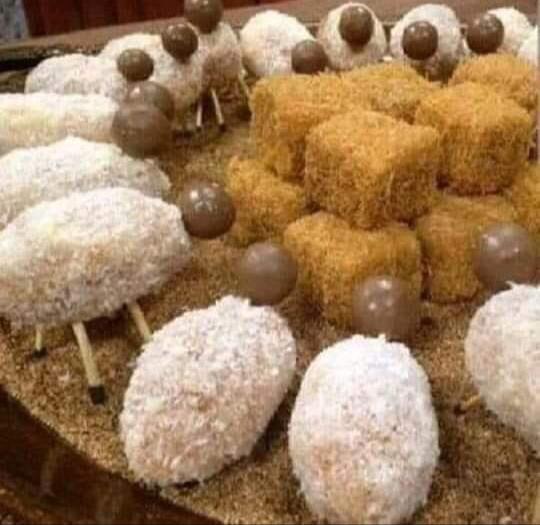
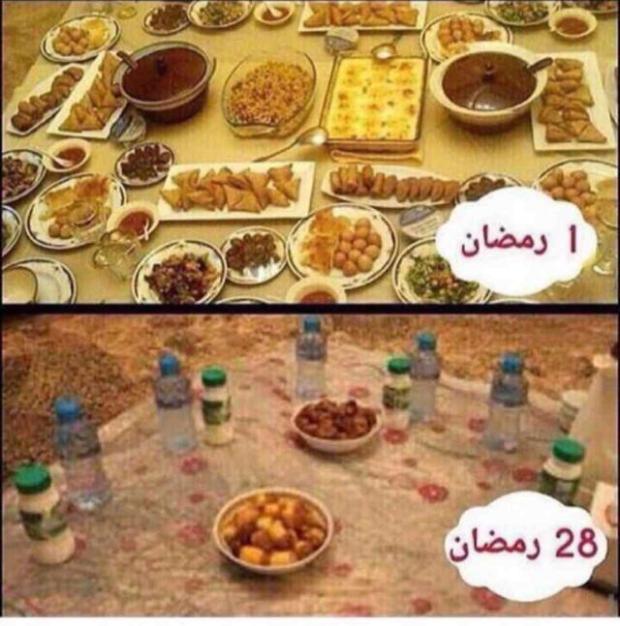
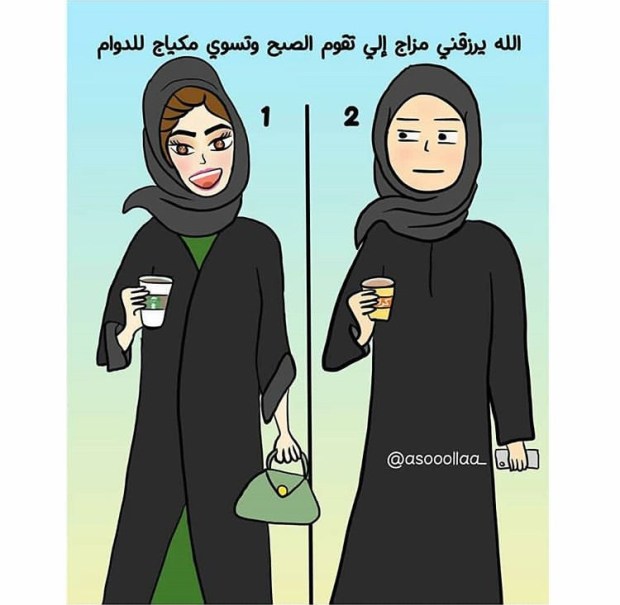
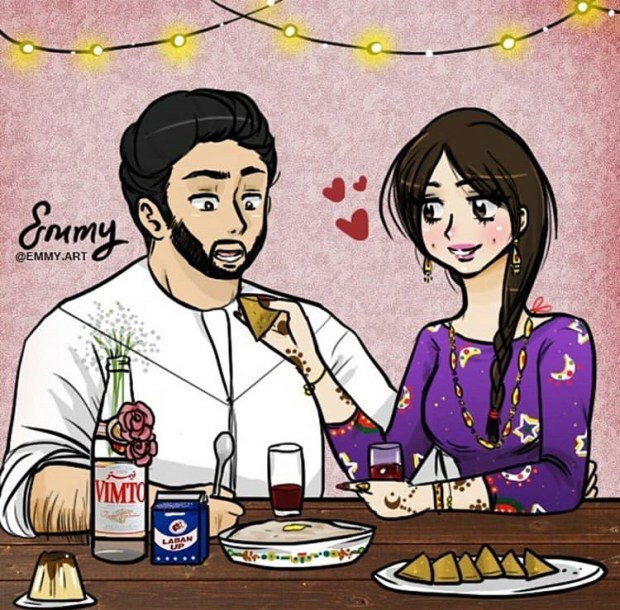
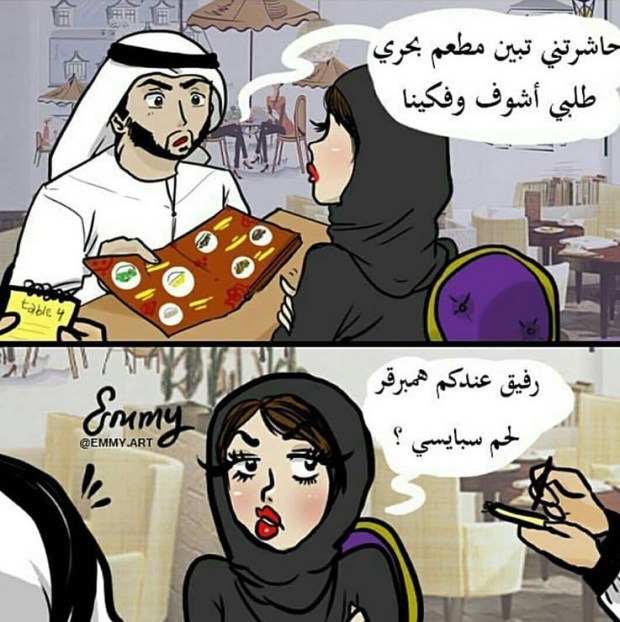
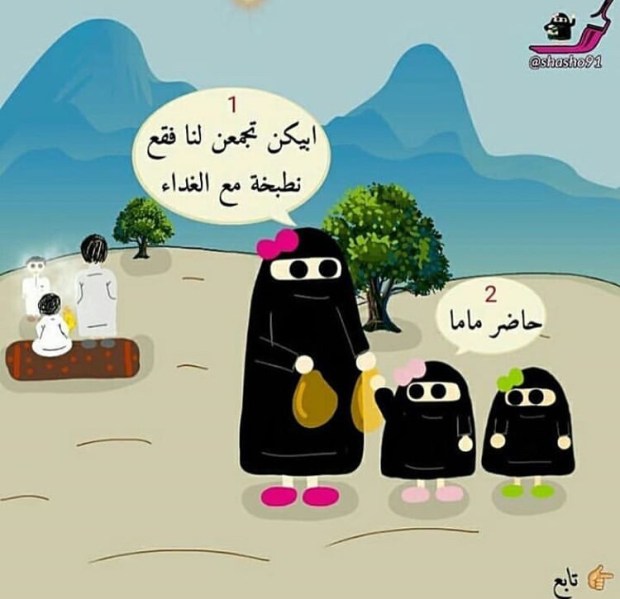
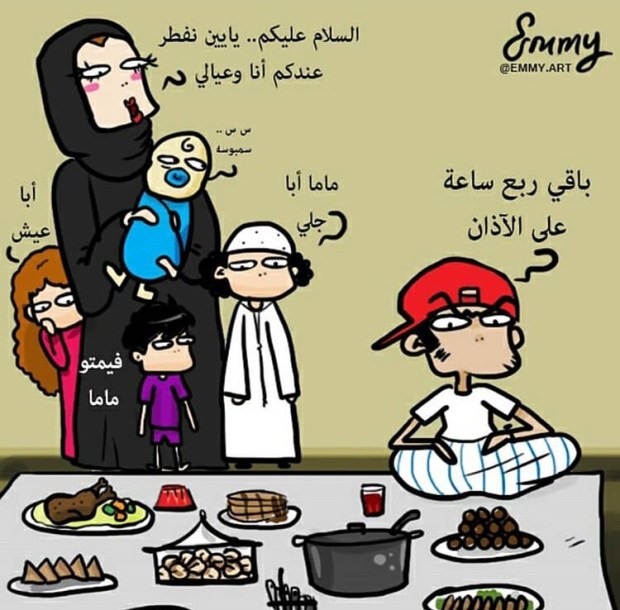
(image from Instagram account of Tiny Spoon, tiny_spoon, full image below)
Food Practices in Southern Oman – My current research focuses on food practices in the Dhofar region, specifically how food is used to show personal generosity and how eating together defines and enhances social relationships.
[this post reflects my current reading – the permanent link for my updated food/ culture bibliography is: Selected References for Research on Foodways and Society in Dhofar]
Al-Hamad, Sarah. (2016). Cardamom and Lime: Flavors of the Arabian Gulf, the Cuisine of Saudi Arabia, Kuwait, Bahrain, Oman, Qatar and the U.A.E. Singapore: IMM Lifestyle Books.
Avieli, Nir and Rafi Grosglik. (2013). Food and Power in the Middle East and the Mediterranean: Practical Concerns, Theoretical Considerations. Food, Culture and Society 16.2: 181-195.
Appaduari, Arjun. (1985). Gratitude as a Social Mode in South India. Ethos 13.3: 236-245.
Boxhall, P. G. 1966. Socotra: ‘Island of Bliss’. The Geographical Journal 132.2: 213-222.
Brown, Victoria. (2014). Language: A Taste of Reality. One Dish Closer. http://www.onedishcloser.com/food-anthropology/2014/3/19/language-a-taste-of-reality.html
Campbell, Felicia. (2015). The Food of Oman: Recipes and Stories from the Gateway to Arabia. London: Andrew McMeel.
Clements, Frank. (1977). The Islands of Kuria Muria: A Civil Aid Project in the Sultanate of Oman Administered from Salalah, Regional Capital of Dhofar. Bulletin (British Society for Middle Eastern Studies) 4.1: 37-39.
Cleveland, Ray. (1960). The 1960 American Archaeological Expedition to Dhofar. Bulletin of the American Schools of Oriental Research 159: 14-26.
Ciezadlo, Annia. (2011, April 25). Eat, Drink, Protest: Stories of the Middle East’s Hungry Rumblings: Buying Peace, One Feast at a Time. Foreign Policy 186. https://foreignpolicy.com/2011/04/25/eat-drink-protest/
—. (2011, March 15). Eating My Way Through the Cedar Revolution (excerpt). Foreign Policy. http://foreignpolicy.com/2011/03/15/eating-my-way-through-the-cedar-revolution-2/
Coleman, Leo, ed. (2012). Food: Ethnographic Encounters (Encounters: Experience and Anthropological Knowledge). Oxford: Berg.
Counihan, Carole and Penny van Esterik, eds. (2012). Food and Culture: A Reader. London: Routledge.
Crowther, Gillian. (2018). Eating Culture: An Anthropological Guide to Food. Toronto Press: University of Toronto Press.
De Regt, Marina. (2010). Ways to Come, Ways to Leave: Gender, Mobility, and Il/legality among Ethiopian Domestic Workers in Yemen. Gender and Society 24.2: 237-260.
—. (2009). Preferences and Prejudices: Employers’ Views on Domestic Workers in the Republic of Yemen. Signs 34.3: 559-581.
Deeb, Lara and Jessica Winegar. (2012). Anthropologies of Arab-Majority Societies. Annual Review of Anthropology 41: 537-558.
Elie, Serge. (2006). Soqotra: South Arabia’s Strategic Gateway and Symbolic Playground. British Journal of Middle Eastern Studies 33.2: 131-160.
Ferguson, Priscilla. (2011). The Senses of Taste. American Historical Review 116.2: 371-384.
Fieldhouse, Paul. (1998). Food and Nutrition: Customs and Culture. Cheltenham, UK: Stanley Thomas.
Fisher, Jennifer. (2003-2004). “Arabian Coffee” in the Land of Sweets. Dance Research Journal 35.2: 146-163.
Fox, Robin. (2018). Food and Eating: An Anthropological Perspective. Social Issues Research Centre. http://www.sirc.org/publik/foxfood.pdf
Gilette, Maris. (2019). Muslim Foodways, in The Handbook of Food and Anthropology. Jakob Klein and James Watson, eds. London: Bloomsbury Academic. 48-73.
Goody, Jack. Cooking, Cuisine and Class. Cambridge: Cambridge University Press, 1982.
Julier, Alice. (2013). Eating Together: Food, Friendship, and Inequality. Chicago: University of Illinois, 2013.
—. (2013). Meals: ‘Eating In’ and ‘Eating Out’ in The Handbook of Food Research. Anne Murcott, Warren Belasco and Peter Jackson, eds. London: Bloomsbury Academic.
Julier, Alice and Lindenfeld. (2005). Mapping Men onto the Menu: Masculinities and Food. Food & Foodways, 13:1–16.
Jurafsky, Dan. (2014). The Language of Food: A Linguist Reads the Menu. New York: W. W. Norton.
Klein, Jakob and James Watson, eds. (2019). The Handbook of Food and Anthropology. London: Bloomsbury Academic.
Lichfield, Gideon. (2010, January 15). A Look Inside the Middle East’s New Weapons of Mass Consumption. Foreign Policy. https://foreignpolicy.com/2010/01/15/food-fight-4/
Maclagan, Ianthe. (1994). Food and Gender in a Yemeni Community, in A Taste of Thyme: Culinary Cultures of the Middle East. Sami Zubaida and Richard Tapper, eds. New York: I.B. Tauris Publishers. 159-72
Mauss, Marcel. (2011/ 1924). The Gift: Forms and Functions of Exchange in Archaic Societies. Mansfield Centre, CA: Martino Publishing.
Mbaga, Msafiri Daudi. (2015). The Prospects of Sustainable Desert Agriculture to Improve Food Security in Oman. Consilience 13: 114-128. http://www.jstor.org/stable/26427275
Meneley, Anne. (2007). Fashions and Fundamentalisms in Fin-De-Siecle Yemen: Chador Barbie and Islamic Socks. Cultural Anthropology 22.2: 214–243.
Miller, Anthony, Miranda Morris, and Susanna Stuart-Smith. (1988). Plants of Dhofar, the Southern Region of Oman: Traditional, Economic, and Medicinal Uses. Muscat: Office of the Adviser for Conservation of the Environment, Diwan of Royal Court.
Mintz, Sidney. (1996). Tasting Food, Tasting Freedom: Excursions into Eating, Culture, and the Past. Boston: Beacon Press.
Mintz, Sidney, and Du Bois, Christine. (2002). The Anthropology of Food and Eating. Annual Review of Anthropology 31:99-119.
Morris, Miranda. (1997). The Harvesting of Frankincense in Dhofar, Oman. In Alessandra Avanzini, ed. Profumi d’Arabia. Rome: L’Erma Bretschneider: 231-250.
—. (1987). ‘Dhofar – What Made it Different’ in Oman: Economic, Social and Strategic Development. B.R. Pridham, ed. London: Croom Helm. 51-78.
Nagy, Sharon. (2000). Dressing up Downtown: Urban Development and Government Public Image in Qatar. City and Society 12(1): 125-47.
—. (1998). “This Time I think I’ll try a Filipina”: Global and Local Influences on Relations between Foreign Household Workers and their Employers in Doha, Qatar. City and Society 10(1): 83-103.
Omezzine, Abdallah. (1998). On-shore Fresh Fish Markets in Oman. Journal of International Food and Agribusiness Marketing 10(1): 53-69.
Omezzine, Abdallah, Lokman Zaibet and Hamad Al-Oufi. (1996). The Marketing System of Fresh Fish Products on the Masirah Island ion the Sultanate of Oman. Marine Resources Economics 11: 203-210.
Popp, Georg. (2018). Notes on the Omani Kitchen Eating with Tradition. Just Landed. https://www.justlanded.com/english/Oman/Articles/Culture/Notes-on-the-Omani-Kitchen
Rodionov, Mikhail. (2012). Honey, Coffee, and Tea in Cultural Practices of Ḥaḍramawt in Herbal Medicines in Yemen: Traditional Knowledge and Practice, and Their Value for Today’s World. Ingrid Hehmeyer and Hanne Schönig, eds. Brill: Boston. 143-152.
Roseberry, William. (1996). The Rise of Yuppie Coffees and the Reimagination of Class in the United States. American Anthropologist, New Series, 98.4: 762-775.
Rubin, Aaron. (2015). Recent Developments in Jibbali. Journal of Semitic Studies 60: 431–441.
Sadeghin, Farideh. (2015, Oct. 27). The Food of Oman is Too Good to Ignore: Recipe-testing a Middle Eastern Cookbook Gives our Test Kitchen Director a New Love for an Under-appreciated Cuisine. Saveur. https://www.saveur.com/food-of-oman-cookbook-cuisine-felicia-campbell
Stoller, Paul and Cheryl Olkes. (1986). Bad Sauce, Good Ethnography. Cultural Anthropology 1.3: 336-352.
Stork, Joe. (1973, March). Socialist Revolution in Arabia: A Report from the People’s Democratic Republic of Yemen. MERIP Reports 15: 1-25.
Swift, Candice Lowe, ed. (2015). Teaching Food and Culture. London: Routledge.
vom Bruck, Gabriele. (2005). The Imagined ‘Consumer Democracy’ and Elite Re-Production in Yemen. Journal of the Royal Anthropological Institute 11.2: 255-275.
van Esterik, Penny, Alice Julier and Carole Counihan, eds. (2018). Food and Culture: A Reader. London: Routledge.
Watson, Janet C.E. (2013). Travel to Mecca in the Pre-motorized Period in The Hajj: Collected Essays. Venetia Porter and Liana Saif, eds. London: The British Museum. 96–99.
Watson, Janet C.E. & Abdullah al-Mahri. (2017). Language and Nature in Dhofar, in RiCOGNIZIONI. Rivisti di Lingue e Letterature straniere e Culture moderne. Simone Bettega and Fabio Gasparini, eds. Turin: University of Turin. 87–103.
Webster, Roger. (1991, October). Notes on the Dialect and Way of Life of the Āl Wahība Bedouin of Oman. Bulletin of the School of Oriental and African Studies 54.3: 473-485.
Weir, Shelagh. (2007). A Tribal Order: Politics and Law in the Mountains of Yemen. Austin: University of Texas Press.
Yamani, Mai. (2000). You Are What You Cook” Cuisine and Class in Mecca in A Taste of Thyme: Culinary Cultures of the Middle East. Sami Zubaida and Richard Tapper, eds. New York: I.B. Tauris Publishers. 159-72.
Blogs – Omani Food
Mariya. Omani Food. https://omanifood24.blogspot.com/
Omani Recipes. (2015). Arabic Recipes. http://www.encyclopediacooking.com/recipes_in_english/omani-recipes-53-1.html
Traditional Omani Food. (2008, March 1). https://ward-traditionalomanifood.blogspot.com/
Yasmeen. (2018). Omani Cuisine. http://www.omanicuisine.com/
Websites – Expat, Tourist and Commercial
The Delicious Cuisine of Oman! (n. d.). Holidify. https://www.holidify.com/pages/omani-food-230.html
Food and Drink – About Oman. (2018). Rough Guides. https://www.roughguides.com/destinations/middle-east/oman/food-drink/
Guide to Omani Cuisine. (2017, June 14). Expat Woman.com. https://www.expatwoman.com/oman/guide/guide-to-omani-cuisine
Medhat, Gehad. (2017, Dec, 27). The 10 Best Coffee and Tea Shops in Salalah, Oman. Culture Trip. https://theculturetrip.com/middle-east/oman/salalah/food-misc/
Medhat, Gehad. (2017, Dec, 27). The Top Restaurants in Salalah, Oman. Culture Trip. https://theculturetrip.com/middle-east/oman/articles/the-top-restaurants-in-salalah-oman/
Oman. (2018). Countries and Their Cultures. http://www.everyculture.com/No-Sa/Oman.html
Omani Food. (2015). Best Country. http://www.best-country.com/asia/oman/food
Omani recipes and cuisine. (2018). Nestle. http://www.nestle-family.com/english/omani-recipes.aspx
Popp, Georg. (2018). Notes on the Omani Kitchen Eating with Tradition. Just Landed. https://www.justlanded.com/english/Oman/Articles/Culture/Notes-on-the-Omani-Kitchen

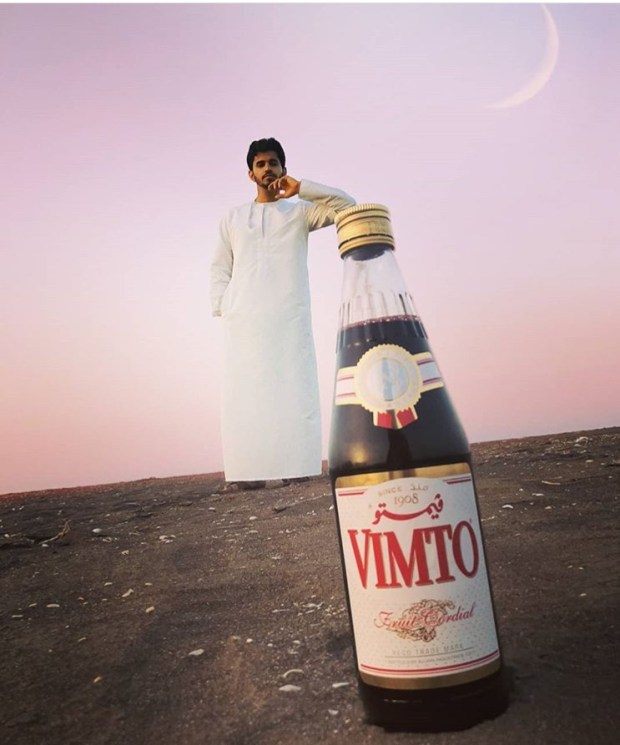
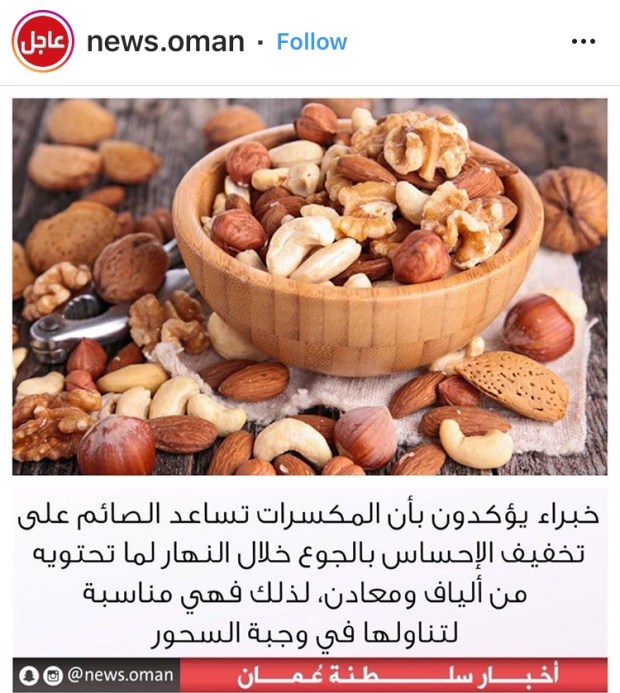
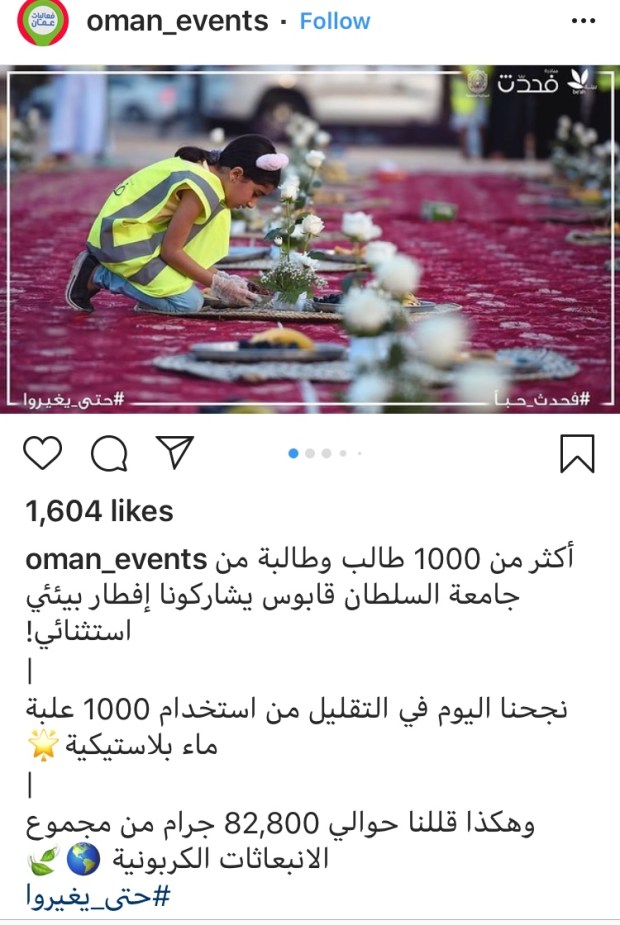
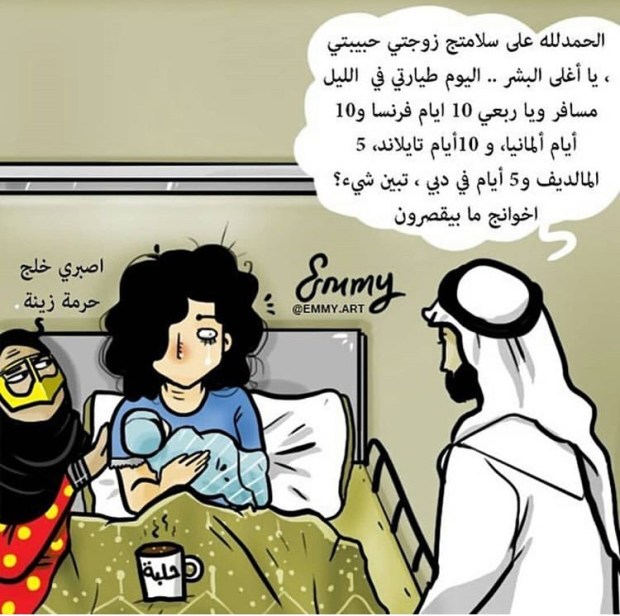
(image from Instagram account: Tiny Spoon)















You must be logged in to post a comment.