Culture Lessons From Big Bang Theory

(photo by S.B.)

Earlier this spring I needed to spend a lot of nights at home and wanted something light to watch so I started Big Bang Theory, a 1/2 hour comedy  program that ran from 2007-2019. The main characters are 4 friends: Leonard Hofstadter (Johnny Galecki), Sheldon Cooper (Jim Parsons), Howard Wolowitz (Simon Helberg) and Raj Koothrappali (Kunal Nayyar) who work at a university. Sheldon and Leonard live next to Penny (Kaley Cuoco).

Unlike other ensemble comedies such as Friends, the characters of Leonard, Sheldon, Howard and Raj come from very different backgrounds but they bond over shared ‘universes’ such as similar academic niches, Star Trek, Star Wars, Marvel Comics, World of Warcraft and other massively multiplayer online games.

What I find interesting is the interplay of lessons learned in homespaces (Texas, Nebraska, India), through religions and how characters use their various abilities. People who have understandings of other cultures can stay on top, while those who are dismissive of other points-of-view lose. For example, Penny, who works as a waitress, is insulted by Leonard’s academically-oriented mother, so Penny takes her to a bar and does shots with Dr. Hofstadter, who can’t hold her liquor and does something embarrassing.

Sheldon attempts to control Leonard are thwarted by Leonard’s girlfriend, a lawyer who is from India. Realizing that pre-marital dating is not accepted by Priya Koothrappali’s conservative parents, Sheldon blackmails Leonard into agreeing to his demands by threatening to tell Priya’s parents that she is dating Leonard.

I love how characters sometimes learn to use (sometimes respect) different types of knowledge and skills. Although Sheldon usually belittles Penny, when he realizes that he is not a good teacher he asks her for help. Similarly, Amy, who has also been dismissive of Penny, invites herself to Penny and Bernadette’s get-together by repeating “I’m a girl” as, despite impressive achievements, she has never had a female friend or been on a sleepover. Amy realizes Penny has access to all sorts of knowledge Amy never had a chance to acquire.

Hence, Penny’s lack of intellectual credentials is a source of amusement at first, but gradually becomes unimportant when it’s clear she how much she can add to their lives in other ways, from rescuing Sheldon’s battle ostrich and getting Sheldon a napkin signed by Spock to including Amy in girl chat.

This is fascinating as I am always interested in how people cope (or fail to cope) with new cultural constructs. For example, Sheldon slowly learns some social codes by rote, such as saying “there, there” and offering a hot beverage when someone is upset. This is carried to the point that, when Raj arrives in a depressed mood, Sheldon goes about making him a cup of bullion as he is out of tea. A hot  beverage is required, so a hot beverage of whatever type is available must be given.

Often at the start of an episode, one person will appear to have the upper hand, only to be circumvented by another person’s use of a different kind of power. Sheldon’s eidetic memory helps him win at the card game Mystic Warlords of Ka’a but he is beaten by Wil Wheaton who has a better understanding of people’s motivations.

In another episode, Leonard and Sheldon insult the intelligence of  Zach, Penny’s boyfriend with Howard and Raj looking on and giggling. After Zach leaves, Penny tells the 4 men, “For a group of guys who claim they spent most of their lives being bullied, you can be real jerks. Shame on all of you.”

The 4 friends then go to Penny’s apartment to apologize to Zach and the 5 of them end up going to a comic book store together. Sheldon again insults Zach for wanting to read Archie comics, but then realizes that having Zach join them in a group Halloween costume contest could allow them to win. The person they ridiculed is the person who completes their superhero group; Zach agrees, dons a Superman suit and they win.

It’s a lighthearted comedy but it has good lessons about accepting and learning from people who have different knowledge bases.

Teaching: Reflective Teaching and Motivation

(photo by M. A. AL Awaid)

It is lovely when students who took my classes, graduated and are now teachers in their own right with their own students, come back to chat. We have wonderful talks, reminiscing about old times, funny stories that happened when they were students, teachers who have left, happy memories of Steve Cass and future plans.

It’s good to learn from them about how I was as a teacher, to hear the positive and negative things they remember. A different perspective about effective and not effective instruction methods is always useful and they always help me see my teaching in a new light. It turns out I am not as good as I thought I was about catching students using cell phones in class. But I do amaze students by being able to wrap up class exactly on time – 25 years of practice pays off!

The struggles they have with their students are the same struggles I have. Meeting up gives me a chance to reassure new teachers that teaching has ups and downs and to give examples about choices and mistakes I made when I was teaching them.

One of the things that we talk a lot about is motivation which reminds me of an article I wrote more than 10 years ago:

“Understanding the Impact of Culture on the TESOL Classroom: An Outsider’s Perspective,” TESOL Arabia’s Perspective 18.2, 2011: 15-19. https://www.researchgate.net/publication/277562823_Understanding_the_Impact_of_Culture_on_the_TESOL_Classroom_An_Outsider’s_Perspective

In that text I explain that usually in Omani cultures, it is not polite to make negative comments in public. Thus, if a teacher says “You are bad students” – students will take that to heart, making the classroom more confrontational than it has to be. In some cultures it is expected that teachers raise their voices at students, refuse to answer questions, speak brusquely or use “negative motivation.” These are not effective tactics in Oman.

Former students and I discuss how a teacher’s words are important and that even one sentence can have a huge impact on a student’s life. Many students have told me positive and negative remarks from teachers which either increased or destroyed their confidence.

I have seen teachers declaring “If you don’t study and work hard, you will fail” and students interpreting this as “I will fail you.” Thus, it’s important to phrase motivational statements to be realistic but not defeatist. This means finding a delicate balance between explaining that the student needs to make more of an effort but not making the student feel that success is impossible or disaster is foreordained. It’s a challenge to explain that the choice is in their hands; they have to decide to do the homework, come to class, etc.

Teaching Literature and Staying au courant – The Man from Nowhere and the Ancient Greeks

Reflections/ Research on Teaching Cultural Studies and Literature

Teaching Literature

Communication in Dhofar: Getting Information and (not) Giving Compliments

التحدث – Houseways: Talking Privately in Crowded Rooms – التحدث :على انفراد في الغرف المزدحمة

[I am very grateful to Arooba Al Mashikhi for this translation and to my colleagues Dr. Ali Mohamed Algryani, Dr. Amer Ahmed and Dr. Yasser Sabtan for additional assistance in translating.] first published: Houseways: Talking Privately in Crowded Rooms

In an earlier essay, I discussed how rooms were arranged: https://mariellerisse.com/2021/07/03/houseways-comparisons-types-of-rooms-and-sightlines/

ناقشت في مقال سابق كيف يتم – ترتيب الغرف:

https://mariellerisse.com/2021/07/03/houseways-comparisons-types-of-rooms-and-sightlines/

This essay is one of three related pieces about the interplay between behavior and space: how certain behaviors create a need for a certain kind of space (entryways), how a certain kind of space creates the need for certain behaviors (talking in the salle) and the intermix of house design and behavior (front doorways).

هذا المقال هو واحد من ثلاثة مقالات – مرتبطة بالتفاعل بين – السلوك والمساحة: كيف – تولّدُ أنواعٌ مُعينةٌ من السلوك – حاجة لنوع معين من المساحة (المداخل) ، وكيف – يولّدُ نوع معين من المساحة الحاجة إلى سلوكيات معينة (التحدث في الصالة) والتداخل بين تصميم المنزل وسلوكياته (المداخل الأمامية)

majlis and salle are usually large enough to seat at least 20 people and square/ rectangular with all the furniture pushed against the walls. Houses are built from concrete block and have tile floors, sometimes partially covered with an area rug, thus everyone in the room can see and hear each other – in a sizable, echoing space, how do people manage to have private conversations?

عادة ما يكون المجلس والصالة كبيران بما يكفي لاستيعاب 20 شخصًا على الأقل ومربع / مستطيل مع دفع قطع الأثاث بمحاذاة الجدران. – تُشيَّدُ المنازل من كتل خرسانية ولها أرضيات من البلاط ، وأحيانًا تكون مغطاة جزئيًا بسجادة تغطي فقط جزءاً من الأرضية، وبالتالي يمكن لكل فرد في الغرفة رؤية وسماع بعضهم – الآخر – في مساحة كبيرة ينتشر فيها الصوت ، كيف يتمكن الأشخاص من – التحدث على انفراد؟

Two types of behavior, non-verbal and talking very quietly, [as discussed in: https://mariellerisse.com/2021/07/03/houseways-comparisons-types-of-rooms-and-sightlines/ ], work for short communications such as imparting information, asking a question and giving a command. In this essay I would like to talk about another strategy: Dhofaris tuning out/ turning away/ politely ignoring visitors. This behavior means that people can have private conversations, after the requirements of hospitality and respect have been met, and that a person who is new to the group has time to adjust.

هنالك نوعان من السلوك؛ السلوك غير اللفظي والتحدث بهدوء شديد (كما تمت مناقشته في: https://mariellerisse.com/2021/07/03/houseways-comparisons-types-of-rooms-and- sightlines/

يعملان على التواصل القصير مثل نقل معلومة أو طرح سؤال أو إعطاء أمر. في هذا المقال أود أن أتحدث عن استراتيجية أخرى: كيف الظفاريون  / يرفضون /  يبعدون ويتجاهلون الزوار بأدب. يعني هذا السلوك أنه يمكن للأشخاص إجراء محادثات خاصة  بعد تلبية متطلبات الضيافة والاحترام ، وأن الشخص الجديد في مجموعة ما لديه الوقت للتكيف.

A female Dhofari friend (A) lived outside of Dhofar for several months where she met an Omani woman (X). When A’s brother (B) came to visit A, he met X’s husband (Y). So when X, Y and their children came to visit Dhofar, A invited them to dinner at her house with the understanding that B would host Y in the majlis with other of A’s male relatives and A would host X in the salle with other of A’s female relatives. I was invited as I had also met X previously.

عاشت صديقة ظفارية (أ) خارج ظفار لعدة أشهر حيث التقت بامرأة عمانية (س). عندما جاء شقيق (أ) المدعو  ب لزيارة أ ، التقى بزوج (س). لذلك عندما جاء أطفالهم لزيارة ظفار ، دعتهم “أ” إلى العشاء في منزلها على أساس أن “ب”  يستضيف “ص” في المجلس مع أقارب آخرين من “أ” وأن “أ” ستستضيف “س” في الصالة مع أقارب أخريات من الإناث. . لقد دعيت لأنني التقيت أيضًا  “س” سابقًا

When X and Y arrived, they were greeted by A and B who stood outside the door, then brought to the respective sitting rooms. When X walked into the salle, all the women (X’s mom, sisters, sisters-in-law, and nieces) greeted X and she was led to a sofa in the middle of the south wall, a few spaces down from A’s mom. A sat in the middle of the east wall and I was in the middle of the north wall. The first twenty minutes was the necessary polite, general conversation in which X asked about everyone’s health and everyone asked X about her health, her family’s health, her trip to Dhofar, where she was staying and did she like the hotel while A was offering drinks and snacks to X and her children. The first round done, the second round started in which more specific questions were asked about X’s health, the health of X’s children and female relatives, their trip to Dhofar and X started to ask about how A’s mother was doing and who were the other women in the room. A’s mother was included in all the questions and responses; X looked at her more frequently than anyone else and the other women, including me, listened to everything with polite attention.

عندما  وصل (س) و (ص) – ، استقبلهم (أ) و (ب) الذين وقفوا خارج الباب ، ثم أدخلوهم إلى غرف الجلوس الخاصة بهم. عندما دخلت (س) – الصالة ، استقبلت جميع النساء ( والدة (أ)  ، والأخوات ، وأخوات زوجها ، وبنات أختها) (س) وأجلسوها – على أريكة في منتصف الجدار الجنوبي ، على بعد مسافة قليلة من والدة (أ). (أ) جلست في منتصف الجدار الشرقي وكنت في منتصف الجدار الشمالي. كانت أول عشرين دقيقة محادثة عامة مهذبة سألت فيها (س) عن صحة الجميع وسأل الجميع (س) عن صحتها وصحة عائلتها ورحلتها إلى ظفار وأين كانت تقيم وإذا ما كان يعجبها، بينما كانت (أ) تقدم المشروبات والوجبات الخفيفة لـ (س) وأطفالها. – انتهت المرحلة الأولى ، وبدأت المرحلة الثانية حيث – طُرِحَت أسئلة أكثر تحديدًا حول صحة (س) وصحة أطفال (س) والأقارب الإناث ورحلتهم إلى ظفار وثم بدأت (س) في السؤال عن حال والدة (أ) ومن هن النساء الأخريات في الغرفة. كانت والدة (أ) مشتركة في جميع الأسئلة والردود ؛ ونظرت اليها (س) أكثر من أي شخص آخر ، – وأظهرت النساء الأخريات ، بمن فيهم أنا ، تأدباً في الاستماع إلى كل شيء -.

Then we moved to the dining table (on the south side) to eat dinner, then back to the sofas. A few minutes later, with hands washing after dinner and X given a plate of sweets, there was a gradual change in that A’s mother and other female relatives turned their attention away from X by saying prayers using a misbaha (prayer beads), looking at their phone, talking to children or each other. A and X, more than 1 1/2 hours after X had arrived, were able to talk freely about people they knew/ experiences they had had in common.

ثم انتقلنا إلى طاولة الطعام (في الجانب الجنوبي) لتناول العشاء ، – وبعدها عدنا إلى الجلسات وبعد بضع دقائق ، مع غسل اليدين بعد العشاء و بعد أن قدمت (أ) طبقا من الحلوى ، كان هناك تغيير تدريجي في أن والدة (أ) وقريباتها الأخريات صرفن انتباههن عن (س) من خلال التسبيح باستخدام مسبحة خرزية، والنظر إلى هواتفهم ، والتحدث إلى الأطفال أو بعضهن البعض. (أ) و (س) ، بعد أكثر من ساعة ونصف الساعة من وصول (س) ، كن قادرات على التحدث بحرية عن – معارفهن من الاشخاص و تجاربهن المشتركة.

There were the same number of people sitting in the same places as when X had arrived, but instead of one person talking at a time with X and A’s mother as the twin focal points, now A and X were a dyad. A’s female relatives and I sat quietly, sometimes listening, sometimes talking to each other. As the time to leave grew closer, the talk again became more general with people offering X suggestions about where to go site-seeing and what restaurants to eat at. X was invited back to the house, which she parried with how short their stay was and how they had relatives to visit.

كان هناك نفس عدد الأشخاص الذين يجلسون في نفس الأماكن عندما وصلت (س) ، ولكن بدلاً من تحدث شخص واحد في وقت واحد مع (س) و والدة (أ) كمحاور الحديث ، أصبحن (أ) و (س) ثنائي. جلست مع قريبات (أ) بهدوء نستمع أحيانًا، وأحيانًا نتحدث مع بعضنا البعض. مع اقتراب وقت المغادرة ، أصبح الحديث مرة أخرى أكثر عمومية مثل  اقتراح حول الأماكن التي يجب أن تزورها (س) والمطاعم التي يمكن تناول الطعام فيها. – دُعيت (س) للعودة مجددا إلى المنزل ورفضت ذلك مع قصر فترة إقامتهم والتزامهم بزيارات عائلية أخرى.

In thinking about this visit beforehand, I had thought that it was too bad A and X would not get time alone (such as meeting at a coffee shop) to catch up. But what happened was that A’s family created that conversational freedom for them, without changing the space or their locations, by shifting their attention away. In a room with 10 women and five children, A and X were able to share reminiscences and catch up on mutual acquaintances.

عندما فكرت في هذه الزيارة مسبقًا، كنت أعتقد أنها كانت سيئة للغاية لأن (أ) و (س) لن – تنفردا بإحداهما الأخرى -(مثلما كان عليه الحال لو أنهما – التقيتا في مقهى) للحديث. ولكن ما حدث هو أن عائلة (أ) أوجدت حرية المحادثة لهم ، دون تغيير المساحة أو مواقعهم ، عن طريق تحويل انتباههم بعيدًا. في غرفة بها 10 نساء وخمسة أطفال ، تمكنت (أ) و (س) من تبادل الذكريات و تعويض مافات من الامور المشتركة. .

To look at this issue from another angle, I was once visiting a Dhofari friend when an older female relative (M) stopped by. I had not met M before and was surprised that the younger women (N) with her was wearing elaborate make-up, a lot of jewelry and a highly decorated dress, shorter in front than in usual for normal visiting. My friend looked at me and said, “bride” in Arabic; women who are newly married usually dress up for visits in the weeks after the wedding. N had recently married M’s son and M was bringing N to meet M’s/ N’s husband’s relatives. N sat silently, looking bored, as we spoke; I felt kind of sorry for her as she must have had several of these types of visits with her new mother-in-law.

للنظر في هذه القضية من زاوية أخرى ، كنت أزور صديقة ظفارية عندما توقفت إحدى قريباتها الأكبر سنًا (م). لم أقابل (م) من قبل وفوجئت أن الشابة معها كانت –قد بالغت في وضع مستحضرات التجميل- ، وتلبس الكثير من المجوهرات وفستانًا مزخرفاً  وأقصر في المقدمة من المعتاد في الزيارات العادية. نظرت إلي صديقتي وقالت: “عروس”. عادة ما تلبس النساء المتزوجات حديثًا  بهذه الطريقة للزيارات في الأسابيع التي تلي الزواج. (ن) تزوجت مؤخرًا من ابن (م) وكانت (م) تحضر (ن) معها لتلتقي بأقارب زوجها. جلست (ن) بصمت، متمللة، بينما كنا نتحدث. – اشفقت عليها قليلاً لأنها لابد وأنها قامت بالكثير من هذا النوع من الزيارات مع حماتها الجديدة.

But about two years later I saw that situation from a different angle. A female Dhofari friend invited me to her wedding; I agreed but with some trepidation as I had not met any of her family before. I arrived at the house for the party and her mother took me into the salle. I could hear quiet comments of women “placing me” (telling each other who I was) as I walked around to greet each woman. But once I sat down, all the women ignored me. This might sound negative, but it was very freeing – I was in a tightly packed room with every seat taken. All the women were in pretty, loose dresses with lots of perfume, children ran in and out, maids came around offering tea, coffee, juice and water, as well as snacks – there was lots of see and do. Women who came in shook my hand and the women next to me encouraged me to eat and drink so I did not feel any hostility, just a sense that everyone had collectively decided to leave me alone. After about an hour, the woman next to me asked me a few simple questions, I think to test both my level of Arabic and my willingness to engage. When I answered readily, other women joined in with questions and we ended up having a lovely time – joking about husbands and driving cars and studying.

لكن بعد حوالي عامين رأيت هذا الوضع من زاوية مختلفة عندما دعتني صديقة ظفارية لحضور حفل زواجها. وافقت ولكن بتردد لأنني لم أقابل أيًا من عائلتها من قبل. وصلت إلى المنزل من أجل حفل الزواج وأخذتني والدتها إلى الصالة. كان بإمكاني سماع تعليقات صامتة من النساء يحاولن معرفة من أنا (ويخبرن بعضهن البعض من أنا) بينما كنت أمشي لأحيي كل امرأة. لكن بمجرد أن جلست ، تجاهلتني جميع النساء. قد يبدو هذا سلبيا ، لكنه أشعرني بالحرية للغاية – كنت في غرفة مكتظة كل مقاعدها مشغولة. – كانت جميع النساء يرتدين ثيابًا جميلة وفضفاضة مع الكثير من العطور ، وكان الأطفال يركضون ويخرجون ، وكانت الخادمات يقدمن الشاي والقهوة والعصير والماء ، بالإضافة إلى الوجبات الخفيفة – كان هناك الكثير من المشاهدة والحركة. صافحتني النساء اللواتي جئن ، وشجعتني النساء اللواتي يجلسن بجانبي على تناول الطعام والشراب ، لذا لم أشعر بأي نشوز ، فقط شعرت بأن الجميع قرروا بشكل جماعي أن يتركوني وشأني. وبعد حوالي ساعة سألتني المرأة بجواري بعض الأسئلة البسيطة، وأعتقد أنها اختبرت مستواي في اللغة العربية ورغبتي في المشاركة. عندما أجبت بسرعة ، انضمت نساء أخريات لطرح الأسئلة وانتهى بنا الأمر بقضاء وقت ممتع – المزاح حول الأزواج وقيادة السيارات والدراسة.

As I drove home, I thought about the silent bride (N) and wondered if perhaps what I marked as boredom was relief that the women in my friend’s house had given her the same sort of emotional/ psychological break of ignoring her so she could be with a lot of unfamiliar people without having to make conversation. These were women she would know and visit for the rest of her life and rather than perhaps making a misstep at the start of the relationship, she had the chance to look around, listen to the talk, and start to form ideas/ opinions about the women before being expected to join in.

– وبينما كنت أقود سيارتي عائدة للمنزل ، فكرت في العروس الصامتة (ن) وتساءلت عما إذا كان ما أشرت إليه على أنه ملل هو الارتياح لأن النساء في منزل صديقتي قد أعطوها نفس النوع من الراحة العاطفية والنفسية بتجاهلها حتى تتمكن من التعايش مع الكثير من الأشخاص غير المألوفين دون الحاجة إلى إجراء محادثة. كانت هؤلاء النساء ستعرفهن وتزورهن لبقية حياتها وبدلاً من أن ترتكب خطأً في بداية معرفتهم ، أتيحت لها الفرصة للنظر حولها والاستماع إلى الحديث والبدء في تكوين أفكار و آراء حولهن قبل أن – تتوقع  منها الأخريات – – الانضمام إليهن.

The spaces within a house for visiting are few and large, thus Dhofaris have created a series of behaviors that make accommodations for others. In certain circumstances, everyone will tacitly ignore 1) people who want to talk about someone that is interest only to them and 2) people who they feel might not want to or be able to join in the conversation. Being able to see and hear others in the same room does not automatically mean it is necessary to engage with them, so privacy is possible even in a crowded salle.

المساحات داخل المنزل للزيارة قليلة وكبيرة ، وبالتالي ابتكر الظفاريون– أنواعاً من السلوك لإقامة الآخرين معهم. في ظروف معينة ، سيتجاهل الجميع ضمنيًا أولا، الأشخاص الذين يرغبون في التحدث عن شخص يهمهم فقط وثانيًا الأشخاص الذين يشعرون أنهم قد لا يرغبون في الانضمام إلى المحادثة أو قادرين عليها. القدرة على رؤية وسماع الآخرين في نفس الغرفة لا تعني تلقائيًا أنه من الضروري التعامل معهم ، لذا فإن الخصوصية ممكنة حتى في صالة – مكتظة بالناس.

Another example of creating privacy for others was discussed in https://mariellerisse.com/2021/07/10/houseways-who-visits-which-rooms/ . Women usually return to their mother’s house after they have their first child. One family I know lives in a house with a mother, several unmarried daughters and several married sons and their families. When a married daughter came back to stay for a few weeks with her new baby, she and husband met in the majlis. The husband was not a close relative so it would not be appropriate for him to spend a lot of time in the salle and it was not possible for him to come to her bedroom as this would mean entering the private area of the house. The men in the house willingly did not use the majlis at certain times so their sister’s husband could visit her and the baby alone.

تمت مناقشة مثال آخر لخلق الخصوصية للآخرين في:

https://mariellerisse.com/2021/07/10/houseways-who-visits-which-rooms/

تعود النساء عادةّ إلى منازل – أمهاتهن بعد إنجاب طفلهن الأول. عائلة واحدة أعرفها تعيش في منزل مع أم وبناتها غير المتزوجات والأبناء المتزوجين وأسرهم. عندما عادت الابنة المتزوجة لقضاء بضعة أسابيع مع طفلها الجديد ، التقت هي وزوجها في المجلس. لم يكن الزوج من الأقارب المقربين، لذلك لن يكون من المناسب له أن يقضي الكثير من الوقت في الصالة ولم يكن من الممكن أن يأتي إلى غرفة نومها لأن هذا يعني دخول المنطقة الخاصة بالمنزل. الرجال في المنزل لم يستخدموا المجلس – في أوقات معينة حتى يتمكن زوج أختهم من زيارتها هي وطفلها بمفردهم.

Houseways: Entrance Ways – Form Follows Function; طرق المداخل – الشكل يتبع الاختصاص

Houseways in Dhofar: Placement of Furniture and Sightlines – التقاليد المتبعة في ترتيب المناز بظفار

Houseways: Who Visits Which Rooms? – التقاليد المتبعة في ترتيب المنازل: أي حجرة يحق للشخص الجلوس فيها؟

– طرق الطعام : بحث في ممارسات الصيد في ظفار وببليوجرافيات مختارة – Foodways: Researching Fishing Practices in Dhofar (in Arabic) and Selected Bibliographies

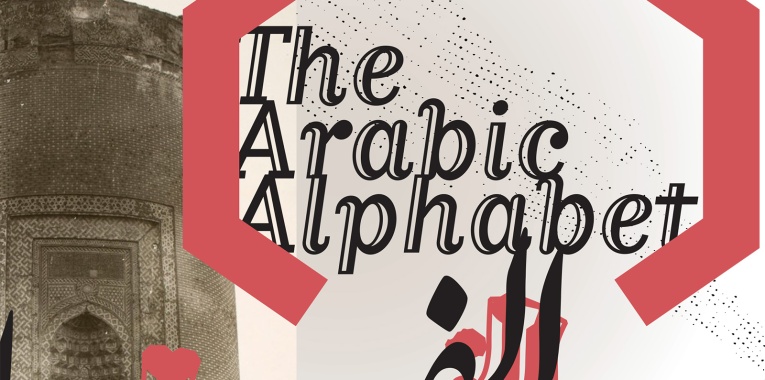
New essay: “Ṣâd is for Zero” on the Arabic alphabet website

The Arabic Alphabet: A Guided Tour – http://alifbatourguide.com/

by Michael Beard, illustrated by Houman Mortazavi

“Ṣâd is for Zero” – http://alifbatourguide.com/the-arabic-alphabet/sad/

excerpt:

The shape of Ṣâd shares something with the letters of the Roman alphabet: the appearance of weight, the feeling that it stands, or reclines, rather than floats. Granted, that cushion shape doesn’t look particularly heavy or solid. In fact it looks a little squishy, rounded on the right, flattened down to a point on the left, but it’s wide and substantive enough to have some substance, to function as a base or stand.

The sound in Arabic is not quite that of Sîn. The term for the sound of Ṣâd is S “velarized.” It has to do with the position of the tongue. It feels more emphatic. Non-native speakers of Arabic who don’t always hear the distinction may try focusing instead on the vowel sound which follows it, particularly if the vowel is an A. After Ṣâd, that A is lengthened a little. In other words, ص is pronounced something more like the S in English “sod” than the S in “sad.”) A cunning student might learn to approximate it by lengthening that A before learning how to pronounce the consonant. Textbooks may not say this, but non-native speakers of Arabic who don’t differentiate Sîn from Ṣâd will still be understood. They’ll have a speech impediment, but there are worse obstacles.

In fact your listener may prefer you to have the accent. There is a funny and profound essay by Abdelfattah Kilito in which he confesses to discovering an anxiety in himself: “One day I realized that I dislike having foreigners speak my language…” and adds that the anxiety increases with the fluency of the non-native speaker. “What if this stranger speaks exactly, and expresses himself as clearly as we do?… This person who came from a faraway place causes confusion, not only because he undermines our sense of superiority but also because he suddenly robs us of our language, the principle of our existence, what we consider to be our identity, our refuge, ourselves.” He gives the example of a meeting with an American woman who spoke Moroccan Arabic like a native. He is surprised at his own reaction: “for the first time I felt that my language is slipping away from me, or rather that the American woman had robbed me of it” (Kilito, Thou Shalt not Speak my Language, 87, 91). Perhaps it’s a little like the paradox of animation technology: we admire the skill that makes the image on the screen look real, as it imitates the world outside more and more accurately, but there’s a point beyond which, if the images become too realistic, they start to look a little creepy. I’m not saying you shouldn’t try.

New essay: “Shin is for Saracen” on the Arabic alphabet website

New essay: “Sîn is for Zenith” on the Arabic alphabet website

New essay: ‘Zhe is for Bijan’ on the Arabic alphabet website

New essay: “Za” on the Arabic Alphabet website

New essay: “Ra” on The Arabic Alphabet website

Houseways: Including/ Excluding Expats in Discussions about Housing

All authors know that as you write in detail about a topic, you sometimes lose sight of the bigger picture. In my first draft of  Houseways, I wrote:

And as only GCC citizens can buy land in Dhofar, non-GCCexpats live in Dhofari-designed houses or various types of apartment buildings designed for expats, without affecting the choices for house designs. In the one small, expat compound I lived in for a few years, I had Italian, French, Indian, Iraqi, American and English neighbors. In the two Omani neighborhoods I have lived in for a total of 12 years, I am the only non-Omani in whole area.

As I looked over my draft later, I realized I was not being clear; of course there are many non-Omanis in my neighborhood. I rewrote the section to read:

In the two Omani neighborhoods I have lived in for a total of 12 years, I am the only non-Omani who rents an apartment or house in whole area.

Other expats move through the neighborhood for various reasons. Some expats work as cleaners, either living in or coming a few times a week. Some expat men work as house builders; others come through regularly to go through the dumpsters for anything salvageable or recyclable. Knowing this, Omanis usually put anything that might be of value next to (not in) dumpsters so that it is easy to take. In the afternoons, men who work for small grocery stores bike around ringing a small bell, signaling that they have snacks to sell come.

Another issue is that sending in a manuscript and getting back the published book back is sometimes like sending a beloved pet for grooming. The animal that returns is your pet but looks completely different.

My abstract for the book is:

Houseways in Southern Oman explains how modern, middle-class houses are sited, designed, built, decorated and lived in with an emphasis on how room-usage is determined by age, gender, time of day and the presence of guests. Combing ethnography and architectural studies, the author draws on over sixteen years of living in the Dhofar region to analyze the cultural perceptions regarding houses and how residential areas fit within the urban areas of the southern Dhofar region.

From the average height of the walls surrounding houses to the color schemes of kitchen to the use of curtains, the book examines the material features of houses using formal interviews, visits to many Dhofari houses and the author’s ten years of living in Dhofari-designed houses in Dhofari neighborhoods. The book also discusses cultural expectations such as how and when rooms are used, who is in control of decorating choices, which spaces a guest might see and how to understand if a house is ready for visitors or if its inhabitants are celebrating or mourning. Dhofari houses are also compared to houses in other Arabian Peninsula countries and positioned within the theoretical frameworks of the “Islamic city” and the “Islamic house.”

the official abstract is:

This book explores how houses are created, maintained and conceptualized in southern Oman. Based on long-term research in the Dhofar region, it draws on anthropology, sociology, urban studies and architectural history. The chapters consider physical and functional aspects, including regulations governing land use, factors in siting houses, architectural styles and norms for interior and exterior decorating. The volume also reflects on cultural expectations regarding how and when rooms are used and issues such as safety, privacy, social connectedness and ease of movement. Houses and residential areas are situated within the fabric of towns, comparison is made with housing in other countries in the Arabian peninsula, and consideration is given to notions of the ‘Islamic city’ and the ‘Islamic house’. The book is valuable reading for scholars interested in the Middle East and the built environment.

The line: “This book explores how houses are created, maintained and conceptualized in southern Oman” is somewhat problematic for me as “houses” here is too general a term. My work is on modern, middle-class houses designed by and built for Dhofaris. There are other types of housing which I don’t have expertise in and don’t engage with.

To illustrate my point, I would like to explain one housing example I know of. For many years I visited a large nursery on the eastern side of Salalah. There was a high wall around the area, with a monumental gate as an entrance, as if eventually a large house would be built there, but in the meantime the land was used to grow plants/ turn a profit.

There were large trees planted on the perimeter, inside the high wall, and the middle area was netted over and planted with small shrubs and flowering plants. To the right was a small path which meandered past the planted areas into a section with trees which had small bags of soil tied to limbs so that the trees would put forth roots; the section would then be cut off and a new tree could be planted. To the right of this area was a small, paved courtyard, surrounded on three sides by a variety of one-story rooms made from cement blocks where the men who worked in the nursery lived.

In front of one of the rooms was a large trough sink and a basic open-air kitchen with a woven palm frond cover. A few of the rooms had open holes for windows, a few had window panes and doors. There was electricity and running water. The air was rich with tropical fragrances and birds were chattering everywhere. When I first saw it, my reaction was “I want to live there!”

I imagined how lovely it must be to sit outside at night and watch bats flit among the trees, the sound of palm fronds rustling and the air thick with jasmine. Or maybe not. Maybe there were endless swarms of mosquitos and the sound of insects was maddening. Did the men who worked there love their small courtyard? Did they wish they were in a big compound which was closer to stores with lots of other men to talk to? I don’t know; we didn’t have a language in common besides all of us knowing the names of the plants and the basics of “sun,” “too much sun,” and “no sun.”

It is with this (and many other) examples in mind that I have tried to clear that my focus on Dhofari houses means houses that are Dhofari-designed, -built, -owned and -lived in.

As a final note, I wish I had photographs of house builders as to not include them seems in a way to erase them and their work. But I haven’t figured out a way do this ethically. The person who takes most of the photographs I need is young, female and does not speak the languages common among house-builders. I do not feel comfortable asking her to engage in conversations requiring her to ask for permission to take photos and explain how those photos would be used. At some point I hope to find a way to have pictures taken with informed consent.

Houseways: ‘Homespaces’ Away from Home

Houseways is published and more examples of houseplans

Houseways in Dhofar: Placement of Furniture and Sightlines – التقاليد المتبعة في ترتيب المناز بظفار

Selected references related to Houseways in Southern Oman, Oct. 2022

Reflections on Ethnographic Research: Changes within Cultures

(photo by Salwa Hubais)

Two writers about Dhofar were so firmly entrenched in the view that Dhofar should not be modern that their books had photos of empty streets; as if there were no Omanis in city settings. The only photos of Dhofaris had them positioned in rural landscapes.

I call this mindset “zoo mode,” and its adherents say things along the lines of:

Oh how horrible that the Dhofaris are losing their traditions! Every time I come here there are changes. Everything is to modern here now – they don’t have their culture anymore.

I have lost patience for this point of view that, in some manifestations, seems to want to turn Dhofar into a zoo-like entity where visitors can see people engaging in former lifeways. I try to be quiet (or change the subject) but sometimes I will remark:

But you yourself do not live in your grandmother’s house, with her furniture and decorations. You don’t eat what she ate in the way she ate it. You don’t wear her clothes or listen to the music she loved, so it might be unrealistic to expect other people to stay static.

Their reply is usually along the lines of: but they are losing themselves.

To me, this line of reasoning posits that the modern culture is inferior to and/or less appealing than that of previous iterations. And I wonder, how do non-Dhofaris find a vantage point from which to judge another culture?

I think Dhfoaris are transforming, adapting and making choices; all cultures change over time. What Dhofaris are “losing” is the desire to live in a way that visitors find interesting. That doesn’t mean they should return to the lifeways of 40 or more years ago. Dhofairs are not participants in a Colonial Williamsburg-type experiment in which they should work as historical reenactors to explain and demonstrate aspects of daily life in the past.

Yes, some lifeways are disappearing but so is diphtheria and washing clothes by pounding them on rocks. And the people who decide what parts of the culture should be carried forward are… the people in that culture.

As a literature professor, I take heart in rereading Oliver Goldsmith’s “The Deserted Village” written in the 1770s. In this poem the narrator laments the desertion of a village because of a variety of modern evils; this reminds me that in every century there are people who think all the good times, good manners, good objects and good traditions are gone forever. And yet humans continue to create new and positive ways to live.

Here is a simple example of cultural change from working with the research guys. Before Covid, picnic dinners usually meant someone cooking dinner over a fire. I enjoyed years of delicious stews and curries; fish was cooked over the flames or wrapped in foil in placed in the ashes. Picnics stopped during the time of lockdowns and curfews with people sticking close to family units. As the threat of disease retreated, the group started to meet again, but with changes.

The man who did most of the cooking has had changes in his responsibilities, so he no longer has the free time needed to cook dinners. We have adapted by the men bringing prepared food from home and me bringing food from a “safe” (well-known/ trusted) restaurant.

One night one of the men brought… individual pizzas. The first time in 17 years that I have seen a pizza at one of our meetings and the first time that we each had our own meal. I suppose I could have cut my hair and wailed at this terrible incursion of the modern but I said thank you and ate my pizza.

Yes, I would rather have fresh-caught fish cooked over the coals but I am aware of what a dish dinner entails: the time and effort to make a certain kind of fire, wait until there were the right kind of coals, preparing the fish, cooking it, preparing and cooking the rice, etc.

Actions have costs – a picnic dinner means someone cooking (a man standing over a beach fire or a woman standing over a stove at home) and all people make choices about which costs are worth the effort. Five years ago, pizza was not one of the choices for a group dinner. Now it is.

To me, this change is only a loss if I construe “fish cooked over a fire” as the only correct/ authentic type of beach dinner, a judgment I am unwilling to make.

Foodways: Thinking about Uses of Plastic Bags and Bottles in Dhofar

In a previous essay [ Foodways: Cultural Issues Pertaining to Litter ] I talked about some issues pertaining to litter. I would like to expand on these reflections by discussing the use of plastic bags and plastic bottles.

Decreasing the use of plastics is a worthy goal and I believe that can effectively happen when the reasons for why and methods of how people use plastic products is investigated in terms of the cultural context. In my opinion, to find replacements that will be widely adopted, it needs to be clear which specific qualities are important. Thus, the substitutes for plastic bags and bottles need to meet cultural needs, as well as environmental needs.

Cultural Understandings of Plastic Usage: Plastic Bags

1 – anything given to another person should be in a bag, not put directly into someone’s hand

There is a cultural understanding that objects should be transferred in some sort of package, never passed by hand.

2 – adults seldom carry large bags and/ or anything on their shoulders

Only schoolchildren wear backpacks. It is not common for grown-up men to bear anything on their shoulders. Some female college students will carry a small rectangular bag on their shoulder, but only within the campus area. In a mall or public place, goods are carried by hand in bags.

3 – foodstuffs, including raw meat and fresh fish, are often distributed among relatives and friends

As I have discussed in my food research, many Dhofaris give extra or purpose-bought food for others. This is almost always handed over in plastics bags. For example, it is perceived as cleaner and easier to give fish and pieces of meat in plastic bags. If this was given in a dish or pot, it would need to be cleaned and returned. Also, giving food in a dish might result in spillage whereas plastic bags can be tied shut.

4 – accessibility of paper bags

Small paper bags, often printed with a store’s name or a decorative design, are common and can be used for transporting some items such as limes, books, dhobes and bukhoor. Thus there is a lot of re-use of printed paper bags with short handles which are bought for gift-giving and/or given away by stores. However, these bags usually only circulate among women as they often found in perfume/ make-up stores and men will not usually buy decorated gift bags.

4 – it is common to give food and unwanted supplies to expat laborers who travel by bike

In addition to Dhofaris giving food stuffs to family and neighbors, they often give left-over food to expat workers. As these laborers usually travel by bikes which do not have panniers, they need a bag which will easily fit over their handlebars.

For example, I sometimes buy packages of cookies for the man who cleans my car. I have to put them in a plastic bag so that he can transport the cookies home. The shopping bags for sale in the large grocery store are too large and unwieldy to be hooked over handle bars and bikes usually do not have a flat rack behind the seat.

5 –  issues of privacy/ safety/ smell

In some cultures, small, mesh/  jute/ string bags are used for everyday carrying. But open-weave bags would not always work in Dhofar as there are cultural understandings of keeping goods private, i.e. not allowing everyone to see what you are transporting. For example, in large supermarkets, there is always a pile of small plastic bags near the sanitary supplies so women can put what they are buying into a plastic bag, then set it in their shopping cart. As in many aspects of Dhofari life, people want to keep their private life private.

Another concern is that Dhofar has three months of drizzle during the khareef (monsoon) and frequent wind/sand storms in winter. Moving anything in an open-weave bag could result in the contents being splashed with mud or covered in sand.

Lastly, bad smells are perceived as very negative. Sometimes meat or fish bought at the souq is put in a plastic bag and tied the rear-bumper of the car to be taken home because no one wants the smell to permeate the car.

To me, thinking about decreasing the use of plastic bags means looking for solutions which fit within the culture. For example, one use of plastic bags among fishermen is to put pieces of sardines in a plastic bag with sand and place this within a fish box (metal fish trap which sits on the bottle of the ocean). One fisherman I know did this for years as the sand keeps the sardines at the bottom of the trap, allowing the scent of the fish to mix slowly with the water to attract larger fish. Last year, he decided to re-think this usage and now uses a sharp, large needle to pierce a group of sardines with fishing line into a circle (looking like a necklace of sardines) which is tied to the side of trap. This keeps the sardine in the trap and allows the water to carry the scent, without the plastic bag.

Small, plain brown paper bags with handles could be used in some circumstances instead of plastic bags and it might make sense to have them widely available. Another idea might be to have large stores sell or give away sturdy, long-use shopping bags which are smaller than the ones currently found. The smaller bag might also have a wide flap which could be placed over the opening (to keep what is inside clean) or simply left hanging inside the bag when not needed.

Cultural Understandings of Plastic Usage: Plastic Bottles

* hosts should give guest unopened bottles of drinks

Fresh fruit juice can be brought out for guests in (preferably clear glass) pitchers but usually water and all other beverages are served in individual bottles to be opened by the person who will drink. At restaurants, soda and water are brought to the table in closed bottles, opened and poured in front of customers; the only place you can get a pre-poured soda is at fast-food restaurants.

Many Dhofaris have a “bubbler” (a large, plastic jug of water upended into a stand; to get a glass of water, you push a small lever – some bubblers will heat or cool the water). Water jugs can be bought at stores but big families usually have a regular delivery service in which full ones are dropped off and used ones picked up. It is not common to have a bubbler in the majlis or salle; they are usually found in the kitchen.

* it’s not easy to find potable water to refill a thermos/ water bottle

In some cultures, many people carry water bottles with them, but in Dhofar it is not always easy to find potable water through water fountains. Most drinking water is carried in plastic bottles.

*a bottle of water is a kind of currency

I don’t use small bottles of water for drinking but I always have a 12-pack at home and my office to give away. At work I hand them out to the man who repairs the copy machine, the FedEx delivery guy, the worker who comes to fix the AC and the cleaner. At home I give them to the repairmen. As they don’t carry water bottles and it’s often over 85 degrees, a plastic bottle of water is a welcomed gift.

To me, thinking about how to lessen the use of plastic bottles means thinking about practical measures that would work within a Dhofari context. For example, an expat faulted me for giving away plastic bottles of water but the alternatives would be handing over a glass of water to be drunk immediately or giving a thermos full of water, which might cause the recipient to wonder how fresh the water was. I could get a bubbler in my office, hand the worker a thermos and let them fill it themselves, but then they would have to carry around the thermos. The best option is the most expensive: I would need a supply of thermoses with carrying straps and a bubbler. And not everyone has time and easy access to a sink and soap to clean the thermos. The safety issue is paramount – hot weather and high humidity can mean water becoming contaminated quickly.

Some milk is sold in cardboard containers; that is one method that might be tried for water and juice. Another idea might be for water and juice to be sold in small glass bottles which could be delivered to houses and restaurants in flat; then the empties could be picked up, washed by the company and reused.

Foodways: Cultural Issues Pertaining to Litter

(photos by S. B.)

I recently heard a lecture by Dr. Sean Smith about Pro-Nature/ Anti-Litter Environmental Discourses in Oman which led me to reflect on cultural understandings relating to litter in Dhofar.

Three issues come to the forefront for me: hierarchies of need, time and the re-use of materials. It’s also important to think about creating research that opens up discussions about blame and the role of people hired to pick up trash.

First, I want to give a short example of how “litter” can be conceived in different contexts. Last summer, I was walking around Boston with a cup of coffee. When I had drunk as much as I wanted and decided to toss the cup, I realized that I felt compelled to put my leftover coffee into the ground. Putting a liquid into a trash can felt like “littering” to me.

I hadn’t known before how much I had internalized this aspect of Dhofari culture. If one is inside a building, liquids stay in the bottle/ can/ cup and get tossed away, but if one is outside, then you empty the liquid into the earth (or in the ocean if you are in a boat) before putting the container in the trashcan. This means less weight in trash bags and less chance of spilled liquids, but to me there is also an intangible sense that you should put liquids back into the earth. Sometimes there is a more prosaic reason; while camping, you pour leftover liquids onto a fire to stop the wood from burning so you can use the wood later or to leave useable wood for someone else.

So I stood on the Boston sidewalk and looked around for an area without cement to pour my coffee. I finally found a small piece of ground next to a tree but it was very dry and hard-packed; as I poured, some coffee splashed back up and stained the hem of my skirt, the rest flowed off the dirt and onto the sidewalk. Hmmm. A research moment indeed – I was used to pouring liquid into forgiving sand.

Below are some cultural understandings of litter/ waste in Dhofar.

Hierarchies of Need

1 – making recyclable trash convenient to take is more important than maintaining clean areas by dumpsters

If someone saw me put a bag of aluminum soda cans next to a dumpster, they might think I was being lazy but several years ago a company started to pay for empty/ used cans so expat workers started to collect them. To help in this effort (and to save people from the indignity of having to get into a dumpster) Dhofaris often put empty cans next to, not inside of, dumpsters. So I collect my soda cans in my kitchen and, when I have a bag-full, I set it close to the dumpster.

At picnic sites, Dhofaris often separate cans from other trash, sometimes leaving them in a small pile by dumpsters or leaving trash in closed (knotted) plastic bags with the aluminum cans in heap nearby.

Some people, including myself, do the same with cardboard boxes. Boxes are flattened and set near dumpsters either for people to take and sell to the recycling company, or for people to take, tear into pieces and feed to goats.

2 – leaving food in a way that is palatable for animals is more important that picking up all food containers

In general, Dhofaris try very hard not to waste food. On picnics, leftovers might be carefully packaged and given to other people (even strangers) who are sitting nearby or expat workers, such as gas station attendants. If people are sitting far from others and/ or will be returning home late, extra food is usually set out for animals.

If there are clean-swept, flat rocks nearby, the food is placed there. If not, the food is placed on a piece of plastic or in a flimsy metal container. Even members of my research group, who pick up every piece of litter before leaving, will leave the food container so that wild animals (foxes, stray cats and dogs, seagulls by beaches, etc.) will have “clean” food. To set food on sandy ground is seen as not just unkind but wasteful as the food will not be eaten.

3 – taking food in a way that makes it easy to give to other people (usually strangers) is more important than not having a single-use container

It is normal in some cultures to bring glass containers to restaurants, so that leftovers can be taken home without using additional packaging. But Dhofaris do not often eat “old” food, leftover food from restaurants is either left on the table or set into foil or plastic containers and put into a plastic or paper bag which is then handed over to an expat laborer.

Time

It took me awhile to understand that during a picnic or camping trip, litter has a time component. The men in my research group will toss bottles and cans behind them (away from the campfire) or towards periphery of the living area as we talk and eat. My attempts to stop this behavior was met with firm disapproval. “Let the people take their rest,” I was told.

At the end of the evening, when the men get up and start to put belongings into their cars, one or more of them (without discussion) will do clean-up duty, pouring liquids into the earth, putting all the trash into bags and setting aside aluminum cans. So now I do the same, flinging soda cans with abandon during dinner and assiduously picking up everything later.  

If a person came in the middle of dinner/ the camping trip and saw the mess at the outskirts of where we were sitting, they might do an internal condemnation such as I used to do. Yet, in over 17 years of picnics and camping, I have never seen any Dhofari leave litter at a picnic or camping site.

Reusing

From what I have seen, only two items (aluminum cans and cardboard boxes) are collected to be sold back to a recycling company, but two other items are put to new uses: glass containers with metal screw-tops and plastic laundry soap/ cleaning fluid jugs.

Both small and large glass containers are cleaned and reused. Small glass jars bottles (with the previous label removed) are used for storing bukhoor, small pieces of wood perfumed with aromatic oils.

Large glass bottles, such as Vimto bottles, are used for honey from local hives. That size container is a standard measurement and giving honey is a smaller container would be seen as being cheap.

The large plastic jugs for laundry soap/ cleaning fluid/ automobile oil are used by fishermen to mark their fish traps. The containers are large and brightly colored (thus, can be seen from a distance), cheap, sea-worthy, long-lasting and buoyant. Several are tired to a rope attached to a fish trap which is resting on the seabed. The colors of the jugs and the way they are tired are distinctive for each fisherman so he can easily find his own traps.

[This brings up a topic I will discuss in a later essay: replacing plastics means reflecting on all the ways that item is used. For example, banning plastic laundry soap jugs would cause hardship for fishermen. One alternative might be incorporating an environmentally practical alternative in conjunction with meeting the needs of the community, such as requiring stores to carry only biodegradable laundry soap pods sold in cardboard boxes and making free, colored buoys available to all fishermen.]

Importance of Multi-faceted Research – Issue of  Blaming Tourists

The presentation quoted someone who made fun of the “blame the tourist” excuse for litter on Omani beaches/ scenic places but I have never seen a Dhofari who owned or was related to someone who owned herd animals (camels, cows, goats) leave litter after a picnic or camping. Nor have I ever seen a fisherman toss anything plastic into the ocean as “it will stay too long time.” The people who live here and are connected to animal husbandry or fishing are aware that litter will kill animals/ hurt the environment that they count on for their livelihood.

Importance of Multi-faceted Research – Issue of Cleaners

The presentation also quoted someone who suggested that the government should stop paying for workers to clean the beaches as a way to teach people to pick up after themselves.

My take on this point of view is that there is no one alive who thinks littering is a good idea. People don’t litter because they are unaware that it’s wrong, they do it because they are lazy. If such are people are confronted with a beach full of trash, they will simply find another beach and destroy that one.

And given the prevalent “don’t interfere with other people” mentality in Oman, having people police each other is not going to work. [The one scenario that might be effective is if one or more older men talked to a group of young men, but that would require the older men arriving at exactly the right time, the ages to be clear (young men would not shame older men) and for there to be no women as in Dhofar, a man will not approach a group with women he doesn’t know unless there is an emergency.]  

In Dhofar, the men who clean beaches are incorporated into systems of giving. As I mentioned above, the men in my research group will always separate out empty aluminum cans for the cleaners to sell to the recycling company; half-empty jugs of water and extra containers of drinks will also be left. Also, if staying in a shelter, Dhofaris often leave extra foodstuffs, such as vegetables and fruit, tied up to the rafters of shelters for anyone to take.

Thus there is a mutually symbiotic relationship. The picnickers/ campers can leave their trash in an organized manner (in the dumpster or in tied plastic bags) so that they don’t need to carry it home and they can leave any leftover goods knowing that they will be used. Cleaners are paid for their work and are often able to take away foodstuffs that might be eaten or sold.

sb - beach 2

I am happy to announce that my third book, Houseways in Southern Oman,  is now available for pre-order

I am happy to announce that my third book, Houseways in Southern Oman,  is now available for pre-order

https://www.routledge.com/Houseways-in-Southern-Oman/Risse/p/book/9781032218595

https://www.taylorfrancis.com/books/mono/10.4324/9781003270317/houseways-southern-oman-marielle-risse

https://www.barnesandnoble.com/s/%22Marielle%20Risse%22;jsessionid=5F50CF600F2E67884717DB4392396282.prodny_store02-atgap17?Ntk=P_key_Contributor_List&Ns=P_Sales_Rank&Ntx=mode+matchall

https://www.amazon.com/Houseways-Southern-Oman-Marielle-Risse/dp/1032218592

https://www.amazon.com/Marielle-Risse/e/B08SKYD848/ref=dp_byline_cont_pop_book_1

Headscarves and Respect – A Foreigner’s Opinion

(photo by Salwa Hubais)

Given the current upheaval about what women wear, I am re-publishing an essay I wrote 5 years ago: Living Expat – Dressing, Covering, Swimming, and Mutual Respect

I have read several essays about supporting women’s right to not wear headscarves/ modest clothing. I wish the argument was framed a little differently and centered on women’s right to CHOOSE what they want to wear.

I have lived in Oman on the Arabian Peninsula for 17 years and I have never been harassed, insulted, frightened, much less attacked, by any Omani for being American or a Christian. Likewise, I have never been made to feel different or foreign or wrong because I was wearing clothes which were normal in my culture. Because I choose to live and work here, I do make the small adjustment of wearing clothes that cover my knees and shoulders when teaching, but I wear the same brands I wear when I’m in the States: Jjill, Fresh Produce, LL Bean, Eddie Bauer and April Cornell.

When I visit Omani friends at home, I wear what they are wearing out of respect. It is a simple adaptation like taking off my shoes before I walk into a friend’s house and learning to eat with my hands, as in the States I would shooing my cats out of the living room if a friend who is allergic comes to visit or not eating ice cream sundaes in front of a friend who is dieting.

In Omani houses, I wear an abayah (the long loose black cloak that women wear on the Arabian Peninsula) with a black headscarf or a dhobe (the long, loose, patterned cotton dress local women wear) with a lossi (a matching, light cotton headscarf). At first it was a little difficult to maneuver surrounded by almost 4 yards of fabric, but I learned how to gather up some of the extra while walking up stairs and to arrange my lossi to stay neatly in place, something akin to learning to French-braid my hair in middle school.

During Ramadan, I also wore a headscarf during the day out of  respect for the culture and I was interested to see how it would feel psychologically to cover. In Oman, unlike some Muslim countries like Saudi Arabia,  abayahs and headscarves are not required by law for daily life. Most women wear them because of personal beliefs and/ or traditions. Most women wear abayahs but some are very loose and plain black, some are black have colored decorations, some are colored and some are worn like an open cloak showing the jeans or skirts worn underneath. Some women wear tightly wrapped, plain black scarves, others wear colored scarves or have the scarf resting on their shoulders. Some women (both expat and Omani) have suggested that non-Muslim women should wear headscarves as a show of solidarity. Other women (both expat and Omani) have emphatically told me that I should not wear an abayah as it is not in my heritage.

The first time walking into the mall with a colored headscarf was tough – I felt self-conscious and hypocritical. I am in the mall usually once a week, reading at my café or shopping, and to walk in with a headscarf made me feel like I was playing a game.

When the Omani men in my research group saw me wearing a headscarf for the first time, they would smile, nod, make a quick comment and then ignore the issue; no one ever pressed me to wear a black sheila (headscarf) or abayah. It probably took me six or seven times wearing the headscarf in public until I became comfortable with it; then the only issues were finding scarves which co-ordinated with my clothes and were the right fabric weight, not too heavy or stiff.

My big insight about wearing a headscarf is that it gives you something to do. Standing in the grocery store trying to decide which spaghetti sauce to buy, I reach up, tighten, adjust, and smooth it down. Fussing with the scarf became a habit, a micro-control fidget, like men straightening their tie or shooting their cuffs. It’s a little uncomfortable when it’s hot and humid outside, but very helpful when I’m in a room with the AC on full blast. It’s another 2 minutes of getting ready time as I pull out my tiered hanger with 15 scarves and try to figure out which one looks best with my outfit.

When Ramadan ended, I went back to uncovered hair during the day but I still wear scarves when I see my Omani female friends at home. The result was I put a piece of fabric on my head and it was sometimes a little hot but that’s about it. I did not feel more religious, or less religious, or any particular change. I am a Methodist by baptism and by my own choice when I was in my 20s. Neither my religious devotion or personal beliefs are diminished or altered by having a piece of fabric on my head. I didn’t feel closer to God – I didn’t feel farther away from God. And I don’t believe God enjoins me to judge other people by what they have on their head or their body.

Most Sunday and Tuesday nights I go swimming with 60 or so Arab, Muslim women wearing burqinis. I first learned to swim in a public pool with a Red Cross instructor and over my 50 years I have swum in the Wilde Lake village center pool in Columbia MD, the Old Red Gym at University of Wisconsin-Madison, the University of North Dakota pool when it was negative 10 outside, Canadian lakes, the student center at MIT, the Atlantic Ocean at Ocean City, and the municipal pool in Tacoma, WA.

The women who swim at my pool now are just like the women I have swum with at all those other places, only they are wearing a bit more clothing. They are in swimming pants or leggings with short or long-sleeved tops as is consistent with the conservative culture, but no one has ever told me that I have to wear what they wear. I am a life-long feminist but I don’t believe my feminism allows me to dictate someone else’s feminism. The women at the pool and my Omani women friends (college-educated, multi-lingual, who work and have traveled/ lived abroad) don’t feel comfortable exposing their body to other women, much less men. Who am I to argue that with them?

When I go swimming, I get lots of smiles, waves, friendly glances and “hellos” from women I don’t know. In almost a year of twice weekly visits to the pool I have never received a harsh word, much less a lecture, on my bright blue Land’s End swimsuit. We all exercise mutual respect for different customs and religions while we exercise our bodies. And then we will go home happy. It’s not difficult.