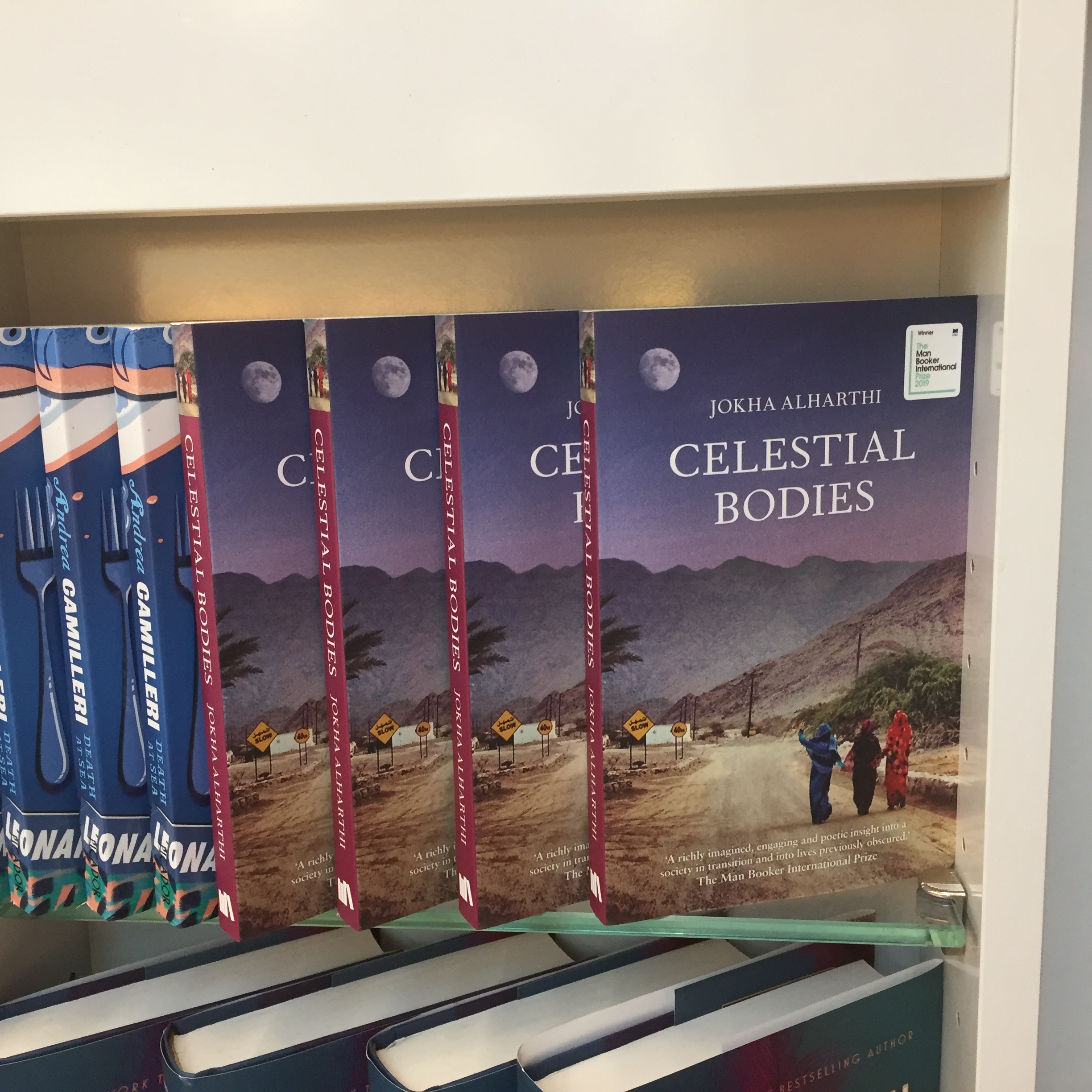
I am happy to announce that my new book is now available for pre-order: Ethnographic Reflections on Marriage in Dhofar, Oman

Ethnographic Reflections on Marriage in Dhofar, Oman

(book cover photo and post photo by Onazia Shaikh)

https://anthempress.com/books/ethnographic-reflections-on-marriage-in-dhofar-oman-hb

Examines how middle-class Muslim men and women in Dhofar, Oman, make and negotiate marital choices, tracing every stage of marriage through their own personal accounts.

Studying Marriage in Dhofar, Oman explains the choices middle-class, Muslim, tribal Dhofari men and women make when creating a life together. Based on 19 years observations of and discussions about Omani marriages, the book shows all the steps of marriage, including how people decide to get married, the wedding invitations and parties are arranged, the newlyweds’ home is organised, the work within a marriage is delineated, and a marriage succeeds or falls apart. Unlike many texts about family life on the Arabian Peninsula, the author spoke extensively to both men and women, so that the book is rich with examples of Omanis explaining their personal decisions.

There are no comparable texts which look at the complete scope of a marriage from deciding to marry, to asking to marry, arranging the wedding parties, creating a successful marriage, and coping with stresses such as children, divorce, polygamy and widowhood.

The book starts with a discussion of how a man might find a bride and how a young woman might create or avoid situations in which she would be asked to marry. There is a discussion of how people might fight to (or not to) marry and all the steps taken after the engagement, including sending out announcements and preparing where the new couple will live. All types of marriage parties are described, including taking photos and displaying the gifts. Next, there is an overview of how the couple can create a marital relationship, followed by an examination of what might go wrong in a marriage, which looks at topics such as incompatibility, gross misconduct and divorce. There is a chapter on pregnancy, which includes a discussion on how children are named. The books ends with a short overview of specific aspects of marriage such as who has free time and what ‘family time’ means.

Recreating Culture – Lessons from Bakeries and Cafeterias

Reflections – Dhofari Conversations

Photographs of Dhofar by Onazia Shaikh 

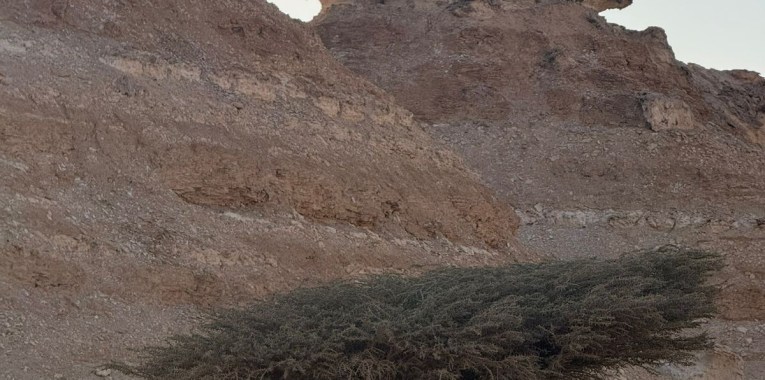
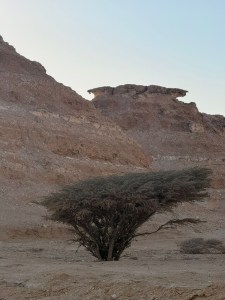
Frankincense in Dhofar, Oman

Frankincense in Dhofar, Oman

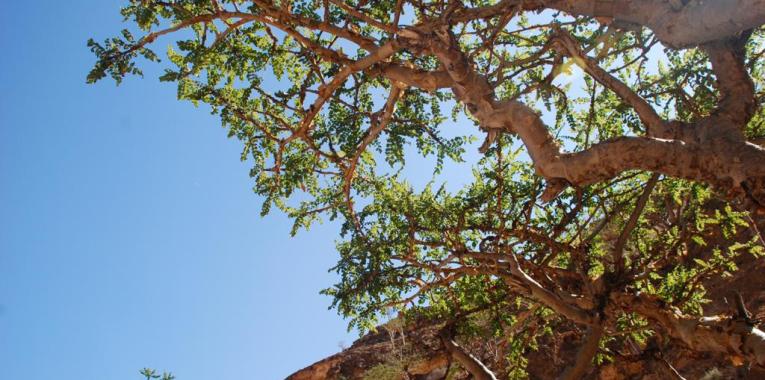
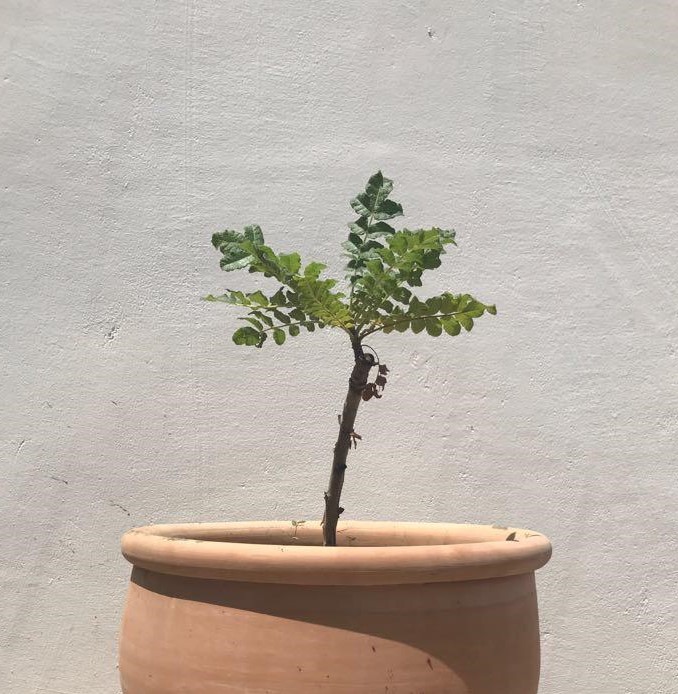
Frankincense is the most important product grown in Dhofar and I would like to highlight two wonderful women who are running their own companies which sell products made from Frankincense resin: Trygve Harris (a dear friend and founder of Enfleurage) and Atheer Tabook (founder of Lubaniah).

The Enfleurage website [https://enfleurage.me/] has beautiful photos of the trees and resin, along with a lot of information about the beauties and uses of frankincense:

Atheer Tabook is a 25-year-old Omani girl who has founded her own home business, Lubaniah, that makes natural wellness products. She has combined traditional Dhofari frankincense with the knowledge gained through her university studies to produce soap.”    [from “Working from Home? You’re not Alone,” Times of Oman, May 12, 2018]


pot crop - f

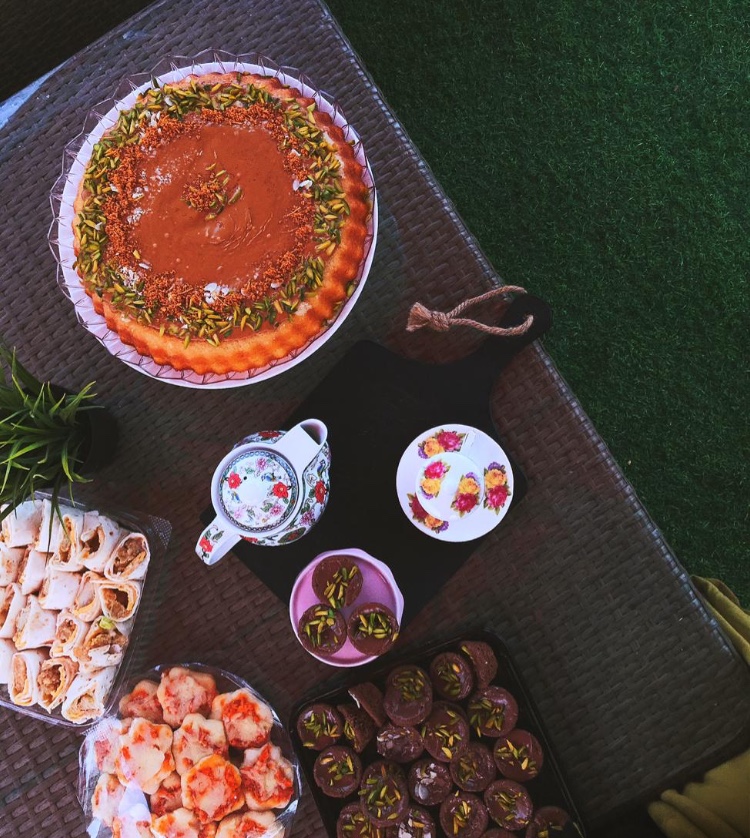
Food Photos by Salwa Hubais

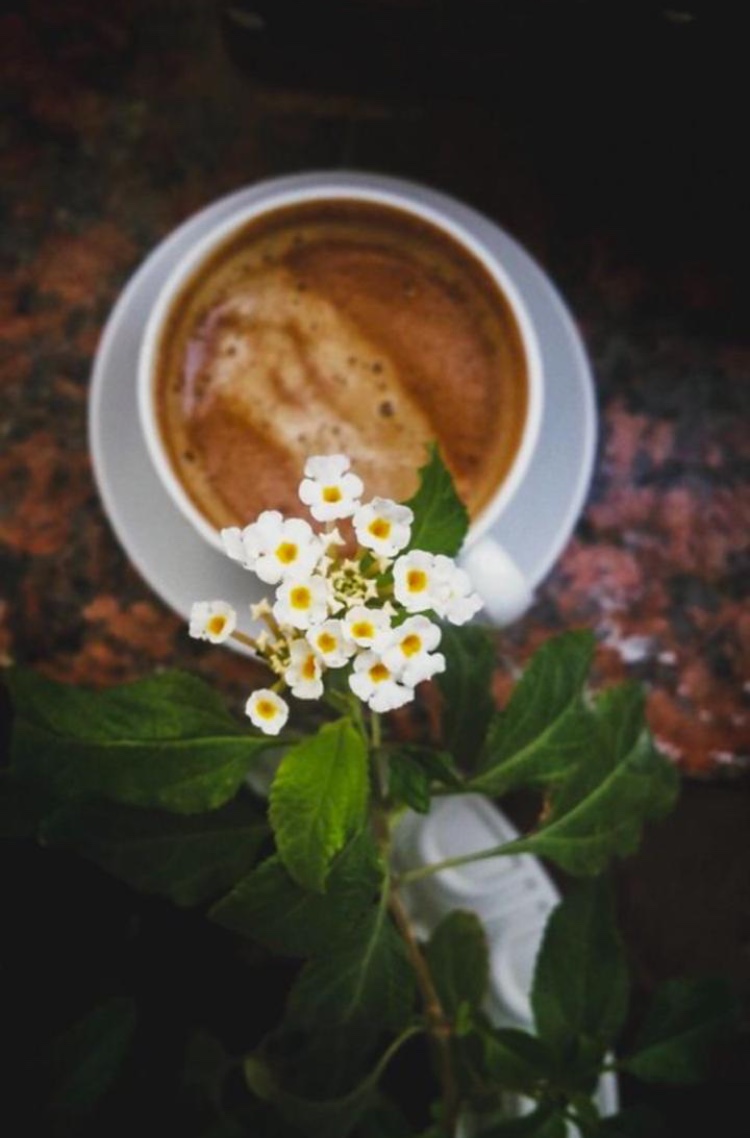
I am so pleased that Salwa Hubais has kindly agreed to let me use some of her photos to illustrate aspects of foodways in Dhofar, Oman. I love her style because she portrays everyday drinks, snacks, and meals in an innovative and stylish manner. When I started working on issues of food and cultures about a year and a half ago, I wanted to explore what Dhofari Omanis typically ate with family, relatives  and friends and this is what Salwa does: she finds the extraordinary beauty in ordinary objects.

IMG_4468

IMG_4464

An excellent article – “Women in Omani Arts: From Traditional Folk Tales to Contemporary Art” by Nada Al-Ajmi

I recently found this excellent article, “Women in Omani Arts: From Traditional Folk Tales to Contemporary Art” by Nada Al-Ajmi from the Department of English, College of Arts and Social Sciences, Sultan Qaboos University, Muscat, Oman
Abstract
It is unusual to find a country that has been modernized in which practices encapsulated in folk tales dating back some 6,000 years are regarded as contemporaneous and intrinsic to the national identity. It is also rare for an oral tradition to be transformed into the visual arts medium and in doing so both accurately convey past narratives while translating them into expressions of present-day issues. This study specifically investigates representations of women in Omani folk tales selected from a collection in print translated into English from Arabic. Analysis of theoretical work in the field of folklore appears alongside outcomes from qualitative interviews conducted with six contemporary artists whose art work features depictions of women. These interviews canvassed the artist’s knowledge of, and influences from, folk tales in their work. It also gauged their perceptions of women’s situation of in present-day Oman, in relation to values and beliefs expressed in folk tales. Analysis of folk stories found that women’s
actions were portrayed in a positive light and that they warned against practices that
placed restrictions on women, such as, choice of husband. Artists’ viewpoints in their
work and during discussions confirmed these findings and revealed particular concern
around continuation into the present of socio-cultural practices that would limit women
and place them in difficult situations. Further research into linkages between different art modalities in relation to folk tales would be instructive.

May Bsisu’s The Arab Table – Reading Recipes for Cultural Understandings

Bsisu, May. (2005). The Arab Table: Recipes and Culinary Traditions. New York: William Morrow.

For years, I had only one cookbook, The Joy of Cooking, a present from my mother. But after I started to do research on foodways in Southern Arabia, I began to buy cookbooks to learn more about Arabic foodways in general and to compare and contrast with Dhofari foodways. My areas of interest are how “the Arab table” can have various meanings in various locations and what those meanings might be in Dhofar.

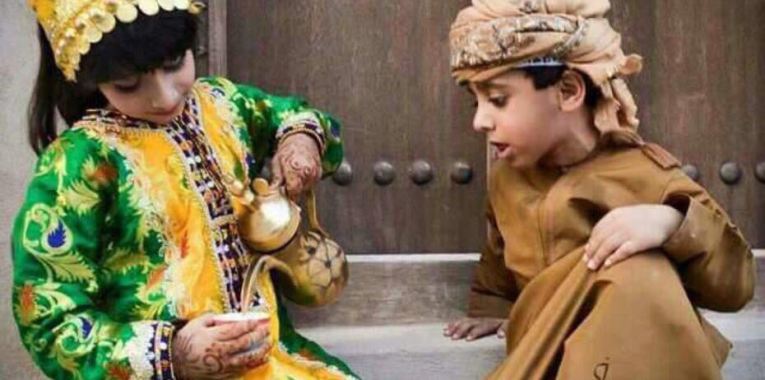
My favorite cookbook so far is May Bsisu’s The Arab Table (2005). She is so generous and comprehensive; she lived in several countries including Jordan, Kuwait, Lebanon, England and the United States so she knows several food traditions and the difficulties of cooking “home” food in a new land. She includes data about which plants grow where (e.g. 252) and recipes for non-Muslim celebrations (299, 303, 345). The photos are gorgeous, the recipes are clearly written and she always gives hints, substitutions and information about where to get ingredients. I wish I had someone who would cook the delicious dishes for me!

I am reading it for cultural data, trying to catch the moments of surprise then exploring and articulating the variances, such as the difference between Bsisu’s threed/ thareed recipe (188, a platter layered with bread covered with sauce, then rice, then chicken and finished with a garnish) and how it is made in Salalah (a soup to which pieces of dried bread is added). Her chicken schwarma recipe (190) calls for pieces, not slices, of chicken. She has Um Khalid (331); in Dhofar the bread-pudding dessert is called Um Ali.

She describes specific foods for New Year’s which indicate happiness (322), something I have not found here. In asking about ‘performative’ food, i.e. food that brings about a change such as good luck, my informants say that is not part of Dhofari cultures, although there are foods for physical changes such as to lose or gain weight. She also discusses foods, such as raw meat (225) and certain cheeses (16), which are not eaten here.

Other difference are that many recipes require a specific cooking environment such as accessories not easily found in Dhofar (especially in 2005 when the book was published, for example fleece blankets 220), the implication that meat is bought from butchers who will prepare meat as requested (207), and the implied need for a fully out-fitted kitchen with spice-grinder, food processor, sauce-boats, plates to invert dishes on, etc.

Thus reading The Arab Table is fun on several levels. First there are great recipes and also I can see how not just the food choices, but the expectations of serving food, vary greatly between cultures.  For example, Bsisu discusses putting things of “each guest’s plate” (188) and setting up various “table” or “stations” for dinners (264-6) whereas in Dhofar, almost every main dish is eaten communally and guests sit in one location unless it is a large wedding party with a buffet.

At a party in a private home, there might be a table with desserts, but guests do not choose for themselves. A plate is made up and brought to them. At an Omani wedding party once, the hostess told me that she would bring a plate for me. I told her not to bother and got up and took sweets for myself. Later I realized how rude I had been, to deny her the chance to take care of a guest and to possibly allow others to judge her as not being an attentive hostess, to let a clearly foreign woman fend for herself.

The Arab Table is an excellent, thorough, big-hearted overview of Arab cooking.

https://video.nationalgeographic.com/video/00000144-0a39-d3cb-a96c-7b3d746a0000

(photo above is from social media, I didn’t want to take images from her book without permission)


“Arabic Coffee,” a poem by Naomi Shihab Nye

A lovely poem by a wonderful poet.   (complete image is below)

It was never too strong for us:

make it blacker, Papa,

thick in the bottom,

tell again how the years will gather

in small white cups,

how luck lives in a spot of grounds.

Leaning over the stove, he let it

boil to the top, and down again.

Two times. No sugar in his pot.

And the place where men and women

break off from one another

was not present in that room.

The hundred disappointments,

fire swallowing olive-wood beads

at the warehouse, and the dreams

tucked like pocket handkerchiefs

into each day, took their places

on the table, near the half-empty

dish of corn. And none was

more important than the others,

and all were guests. When

he carried the tray into the room,

high and balanced in his hands,

it was an offering to all of them,

stay, be seated, follow the talk

wherever it goes. The coffee was

the center of the flower.

Like clothes on a line saying

You will live long enough to wear me,

a motion of faith. There is this,

and there is more.

Nye, Naomi Shihab. (2002). Arabic Coffee. Poems by Naomi Shihab Nye. Now Classroom. http://www.pbs.org/now/arts/nyepoems2.html

Essays about Teaching Poems

John Clare Looks Good in a Dishdash: Linking John Clare to Middle Eastern Poetry

Marlowe in Salalah: Making English Poetry Relevant – 2008

Teaching Literature and Staying au courant – The Man from Nowhere and the Ancient Greeks

Foodways and Literature – Food Stories and Poems

Foodways and Literature – Animal Poems

Teaching Paired Literary Texts

Translating Western Conceptions of “Nature” to the Middle East – 2009

gm - coffee 2

Cognitive Dissonance and Food Identification

The monsoon season (finally) started yesterday so, in celebration, I went for the first time to a small, cute shop which sells food made by a local woman. I had driven by and seen it but never gone in. With the drizzle coming down at a steady pace, I decided to have a small party, support women who are selling food, and, of course, continue my food research!

As I viewed the sandwiches, cooked food and cakes on display, I discussed the food in a mixture of Arabic and English with the expat man who was working. “Is this strawberry cake?” I asked, pointing to a cake with a pink layer of what looked like jam. He said yes. I repeated the question in Arabic to make sure, then moved on, “Is this cake with coffee flavor? Is this chicken? Is the chicken spicy or normal?” etc. I bought a selection of things, went home and produced them for my guests: this is non-spicy chicken, this is strawberry cake, this is coffee cake.

Wrong. All of it wrong. The chicken was fiery hot, it wasn’t strawberry and the brown cake was ‘Lotus’ flavored, not coffee. Sigh. Last week it was at KFC, I ordered 4 chicken strips and Dew with ice; I got someone else’s order and was told that the Dew, which had no ice, has “ice inside.” Sigh. In these kinds of example, it’s a mixture of linguistics and culture. I would not think of a ‘biscuit-flavored cake’; a white cake with medium brown frosting looks like ‘coffee’ to me. ‘Ice’ to me is cubes the size of cherry tomatoes, not that the soda is cold.

good morning - wood

Sometimes it is an issue of what you ask for is not what you get but sometimes it’s a visual and cultural problem, as in the photo above – I enlarged that photo several times, tilting my head, thinking “WHAT is that in the little bowl?” Finally I decided it was walnuts and date maamoul (dates with spices cooked into a paste, surrounded by a heavy sugar cookie dough and baked). I don’t think of  walnuts as breakfast food so I had to wait until my eyes could “see” them. Several times I have seen shallow bowls of dates and assumed it was pieces of meat and vice versa. One trick I learned is that if there is a coffee dallah (traditional Arabian coffee pot) it is dates; if there are cups of tea, it is probably meat. [Or in the above photo, the piece of wood doesn’t look like what I expect ‘camp fire wood’ to look like: it’s dark, full of holes, almost insubstantial looking. But from camping in the desert, I know this is typical of wood you can find or buy and it serves as a marker, “we are very far from town.”]

There is another level of difficulties: seeing various food items and not understanding how they fit together. A friend remembers being in a grocery store with me when we were in grad school. As we came around the corner of an aisle and the end cap had: cans of tuna, cans of peas, cans of sliced mushrooms, egg noodles, salt and canned cream of mushroom soup. I looked at her and said how this combination of food was a culturally-bound signifier of middle-class American in middle America, an implied recipe without stated recipe. Everyone who saw that display would know that all these items should be bought and cooked together to create a tuna casserole. But someone from outside that culture would see a collection of disparate items. Such as the photo below: chips, processed cheese and bread. This might be read as “put cheese on bread and eat with chips.” But Omanis know, you open the bag a little then crush the chips. Put cheese on bread, sprinkle on chip fragments and then roll up into a tube.

Eating begins with the eyes and everyone sees food through their cultures, upbringing and experiences. Learning to see again, see new, and re-see is a long process that I am still in the middle of.

tea with chips