Steve Cass, teacher and friend

Today is truly a “sorrowing day.” I am grieving the loss of my dear friend and co-teacher, Steve Cass. I met him my first day at work and our offices were next to each others for more than 10 years. A kind and patient man who devoted all his energy to teaching, we had endless talks about how to teach well. He found joy in helping students learn and spent many happy years as head of the Learning Support Center. His legacy of education can be seen in the sadness of all who knew him and the many accolades from former students.  We will all miss him very much – his smile, his positivity, his gentleness, his honesty and bravery in always fighting for what was right for the students.
 
 
“The Tray,” Naomi Shihab Nye
 
Even on a sorrowing day
the little white cups without handles
would appear
filled with steaming hot tea
in a circle on the tray,
and whatever we were able
to say or not say,
the tray would be passed,
we would sip
in silence,
it was another way
lips could be speaking together,
opening on the hot rim,
swallowing in unison.


OLYMPUS DIGITAL CAMERA
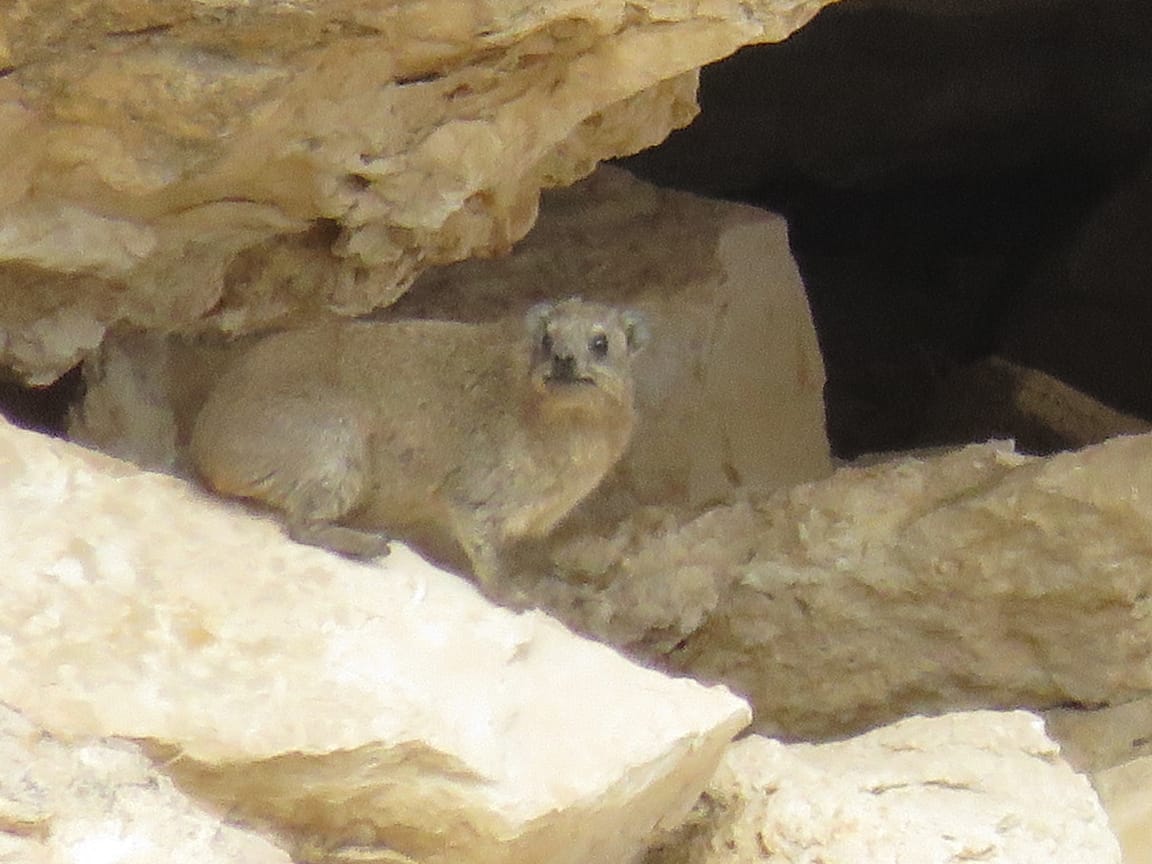
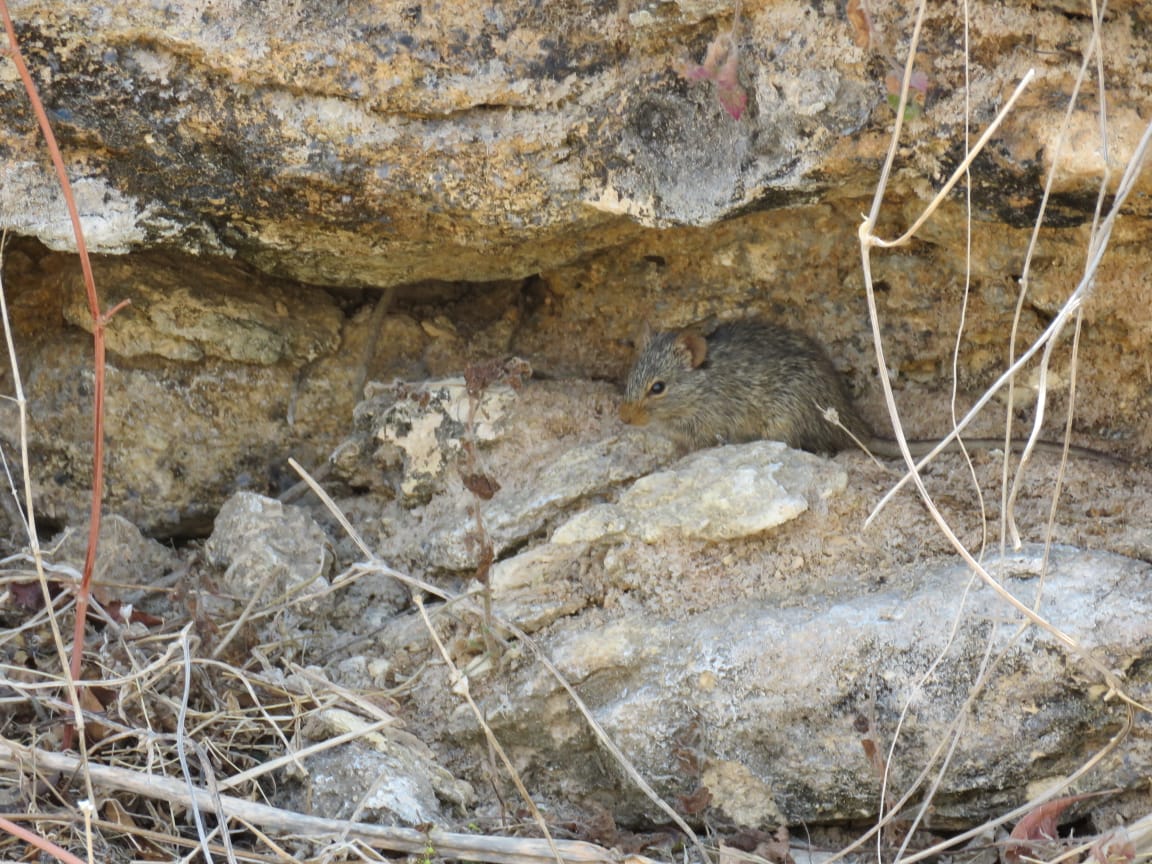
photo by Stephen J. Cass


Cows

As I did a post on camels – Camels and Camel-Owners  – I have to give equal time to cows. If Dhofaris have herd animals, it is usually either camels OR cows, not often does a family have both. Although it is common to own goats either alone or with camels or cows. None of the three types of animals like to be in the same area at the same time. In khareef  (the monsoon season which is ending now), camels are taken out of areas which get rain as their flat feet can’t get traction on slippery ground.  Cows are usually kept indoors during the day because of the swarms of mosquitos. With the start of fall weather (sunny and dry), camels will soon be herded back to the regular grazing grounds in the mountains and cows will be let out during the day; but the two types of animals usually keep to separate areas. Goats are almost always let out of pens with a herder, who will steer them away from the larger animals. 


cows

a mountain cow pen (photo used with permission)


IMG_3577

mountains in khareef

cows in mountain

cows in khareef

cows on beach

cows on the beach

You Have Nothing to Fear from Sheep’s Eyes but Beware the Carrot Sweet: Researching Foodways in Southern Oman

During over a decade of picnics with men from southern Oman, I have never been offered the eyes, brain, tongue or tail of any animal. The cliché of guests being offered the ‘unloved’ parts of an animal doesn’t hold here in the Dhofar region. And it’s not that large platter of rice and meat that will cause you problems. Men will encourage you to eat, but if you gather up a few grains of rice in your hand and lift it towards your mouth, the host’s attention will move on.

If you are given a fish, you can turn the head away from you and start to eat from tail up, scattering by chance a few shreds of lettuce over the eyes. Then you declare yourself full before you need to deal with the stomach area, much less digging into the skull for the fish cheeks.

What you should fear is ladies’ parties with lots of very generous, caring, strong-arming women.

Men usually have dinner with friends on the beach or in a scenic place in the mountain. It’s dark, eating is done quickly and men come and go freely; there is little policing of who eats what. Although the cook might toss special pieces of meat or fish towards you, if you don’t want to eat them, simply leave them alone.

But women parties are usually indoors, with lots of light and everyone sits in their places for several hours so you are constantly under observation.

I love wedding parties because the air is full of beautiful perfumes and everyone is in gorgeous, comfortable, multi-color thobes (the loose, traditional Dhofari dress). And the food is delicious, but you cannot escape it. Either waitresses or relatives of the groom will bring around trays of drinks and sweets and everyone, not just the hostess, but all the other guests, will encourage you to partake.

You have had four cups of super-leaded, espresso-strength, cardamom-spiced Omani qahwa (coffee)? The generous women would like you to have a fifth cup! “You didn’t drink anything! Do you not like the coffee? Do you want tea! BRING TEA, SHE WANTS TEA!”  they call.

You protest but, alas, give up. The tsunami of kindness is coming for you. Take up the tea cup and drink. And as soon as you set down the cup, here come someone with juice, soda, instant coffee, chai ahmar (“red tea,” black tea with only sugar added), chai haleeb (“milk tea,” black tea with milk and sugar), or karak (loose tea with spices and milk).

Then come the sweets accompanied by women benevolently asking you to take another spoonful of halwa, the traditional Omani dessert. And like a swan-dive into a bowl of whipped cream, you submit to your fate: a small plate of carrot sweet, a bowl of crème caramel, a slice of cake, a bowl of ice cream, fruit salad, luqaymat/ loqeemat (sweet fried dough with a sugar syrup), basbousa, and wrapped chocolates.

And now, just as you give up any thought of ever moving again, dinner is served. A generous woman hands you a plate heaped high with a selection of appetizers (hummus, fattoush, baba ghanoush, etc., with pita bread) and qabooli (a dish with spices, rice and meat). Then, of course, dessert is served.

There have been weekends in which I have inhabited both worlds. One night was spent wearing loose cotton trousers and a tunic top with a plain blue headscarf and sitting on a plastic mat on a beach out of sight from any man-made lights. Dinner was fresh-caught fish cooked over a fire. The men in my research group and I ate with our hands, drank Dew, looked at the stars, listened to the sea and talked until 1am. The next night I wore a decorated velvet thobe with full make-up, my meager supply of gold jewelry and a lot of duty-free perfume, in a room full of air-conditioning, bright lights, and delightful women who wanted to stuff me until I burst.

Omani people are very open-hearted and open-handed and doing research on foodways is a lot of fun, but it is not for the meek or the small of stomach.

Foodways: Cultures, Food Selfishness and “Could I Have a Little Bite?”

“May I have a sip?” asks a much-loved older relative.

I stifle a sigh and hand over my coffee cup.

Three minutes later, “Can I have another sip?”

With a small sigh, I hand over the cup.

Two minutes later, “Can I…” and I hand the cup over while biting my lip.

I don’t want to share. That cup of caramel/ Brazil nut/ vanilla-flavored coffee is my first flavored filter coffee in 11 months and, since I probably won’t be back to that store again this summer, it’s the last of that kind for another year. And I want to savor every drop of it.

And cherished older relative could have bought their own, heck I would have paid for their own. But no, my relatives want “just a sip” and “just a bite.”

This might have turned me into a person happy to share, but it did not. I turned into a person who hates handing over my coffee cup, doing it only under duress and after chiding myself about the importance of generosity.

Then I moved to Oman and learned a whole new system of dealing of food. There is no “mine” and no “yours” when eating with my Dhofari friends. There is “ours” and everyone attempts to be the person who is fastest to pass the freshly poured cup of tea or the newly opened box of cookies to someone else.

When I am with female friends at restaurants; food is automatically pushed towards the center of the table. We cut off pieces of whatever we ordered and place it on each other’s plates, even if that person is protesting that they don’t want any. We unconsciously put some French fries on a plate in the middle of the table or turn our plates so it’s easy for someone to take some.

On picnics, the food is set out communally on a platter. No one takes anything out of the coolbox without asking each person what they want first. At the end of the night, you try as hard as possible to give the leftovers to someone else. Several times I have pushed others to take food (halwa or qibqab, a thin, plain cracker-like bread) that I really wanted to bring home.

I do this instinctively in Oman but when I am staying with family, my food protection systems engage, the remnant of years of fending off “just a bite” and “you should share.”

Seeing food (taco salad! cinnamon-raisin bread! potato salad! cranberry muffins!) that I haven’t had for almost a year, I get selfish. When I open a small (one person!) bag of Old Bay-spiced potato chips and a relative hovers and dives in, I fight my instinct to hold the bag out of reach.

When people ask for “just a sip,” I am still cranky but I envision my Omani friends’ horror at the thought of my behaving badly. I remember all the meals shared and all the French fries I have stolen as I hand over the coffee cup.

“It’s just pie, people are more important than pie,” I say to myself as a foreign fork appears at the side of my plate. I push my plate towards the fork, saying “go ahead” with a cheery tone. Ethnographic work changes you. For the better.


Reflections on Houseways Research

I got the e-mail confirming that my Houseways book will be published in January 2023 while sitting in a living room that is completely opposite of the rooms I have described and lived in Oman. The Canadian house had wooden floors and furniture, windows without curtains, no AC, a big fireplace, floor lamps, crocheted afghans, many photos and bookshelves overflowing with novels, candles, puzzles, souvenirs and small wooden carvings of birds. Looking at the room while thinking of the descriptions of Omani houses in my book was a good reminder of how differently people arrange their living spaces.

Given that my academic background is literature and travel writing, it might seem odd that I decided to write about houses, but I grew up in a home in which everyone had strong opinions about how to live and an active interest in building decks, planting gardens, finding a rug in exactly the right shade of blue and putting the sofa there, no, not there, there, a little to the right, no, now forward a little.

As I child, I wanted to live in a Baroque castle; everyone else wanted to live in a modernist, northern European design-aesthetic structure. I wanted to read novels; everyone else wanted to figure out if it was possible to punch a hole in that wall to put in a window. For my 13th birthday I wanted a ball gown and was given my very own tool kit with hammer, pliers, wrench, level and screwdrivers.

I heard about Mansard roofs, color wheels, mixed-use developments and Frank Lloyd Wright. Our living room had a Barcelona chair, a Scandinavian Designs sofa and a Century House (Madison, WI) rug; when my father and I went to England, it was to see Milton Keynes and Welwyn Garden City. I watched my family build furniture, swatch paints, install insulation, build benches to strengthen community bonds in our neighborhood and weed. I read in cafés while they re-framed doorways.

The root of this problem was that when he was in his early 20s, my father walked into Louisburg Square in Boston and thought, “everyone should live like this.” That collection of houses changed his life; he became an urban planner and spent more than 60 years thinking, talking, writing and teaching about how to form better-organized houses, neighborhoods and cities. My mother creates gardens and both siblings have planned renovations of their houses down to the trim on the underside of cabinets.

I thought I had escaped this legacy until I got interested in how Dhofaris design kitchens as part of my Foodways project [ Foodways in Southern Oman – Short Essays and Images ]. I realized, while that I am not interested in decorating or remodeling, I love listening to people’s stories about how they live in their houses, what choices they make and why.

I am grateful to my family for all that early training and to the Omanis who have trusted me with their stories, opinions, photos and friendship.

https://www.routledge.com/Houseways-in-Southern-Oman/Risse/p/book/9781032218595

https://www.taylorfrancis.com/books/mono/10.4324/9781003270317/houseways-southern-oman-marielle-risse

Reflections on Ethnographic Work: Behaving Badly and Defending Grandpa

I was talking to a researcher about doing work in Oman and gave my usual spiel about the necessity of being honest and calm. Sometimes it’s better not to answer a question or get involved in a discussion about a certain topic, but you need to remain truthful and composed.

This reminded me of a conversation I had with some of the research guys when I had only known them a few years. I can see contours of the argument now that I couldn’t see then, but I clearly remember how uncertain I felt to wade into a heated disagreement.

A few of the research guys and I were sitting on a beach and somehow we got into a discussion about Masons. I said my grandfather was one. One man had read some conspiracy theories about Masons and started in on the evils of the organization. I am usually perfectly fine ignoring provocations or avoiding arguments, but this was about my grandfather’s morals and I refused to back down.

I was not close to my grandfather. He was slightly forbidding, somewhat reminiscent of a hawk, and the pillars of his life were the Methodist church, fishing, golfing, deer-hunting and the Masons. His career was in banking and he ran one of the few banks in Wisconsin that stayed open during the Depression, something I have always been proud of. That might seem a slender thread to hang family honor on but I cherish the fact that he had used his hard work and business acumen in the service of others. And while I was arguing with the research guys I thought about his funeral service. He was buried in his Masonic apron and there was no one who could say that he had ever cheated or lied in his entire life. I was not going to allow anyone to tarnish his reputation.

We went back and forth for almost two hours. I raised my voice, argued stridently, interrupted and refused to acquiesce. I felt uncomfortable quarreling with the guys but I would not let them have the last word. My upright grandfather would never have belonged to a group that caused harm in the world. I knew I was being rude and not adhering to the normal standards of our conversations but it felt like a betrayal of Grandpa’s memory if I quietly accepted what they were saying.

In the end, given the conventions of friendships, we had to find a way to resolve the argument so we hammered out an agreement that MAYBE upper levels of Masons had POTENTIALLY done bad activities in the past but these were HIDDEN from the lower level ranks who did good things like raise money for charity, thus my grandfather was a GOOD man who did good things.

Thinking about that fight now, I think that the guys were deliberately pushing the topic to see what I would do. The role of Masons in world politics is certainly not a subject of great concern to them. They had no personal investment in the topic which would warrant an extended attack on the organization. They had not seen me really mad before and I think were interested to see how much self control I would lose. And I think there was a level of understanding that I was fighting for the respect/ reputation of my grandfather, so while my anger showed a lack of self-control, they never brought up Masons again or teased me about the argument as an example of my behaving badly.

Reflecting on that conflict later made me realize that the general Dhofari expectation of keeping a pleasant atmosphere sometimes has to be broken. It’s impossible to foretell for yourself or anyone else when the time will come, but during the Masons argument, my cautious, ethnographic self went right out the window. Although I was afraid of angering the guys, I dug in and fought my corner.

When I talk to people about the need for staying peaceful, I remember my yelling and pounding my fist that night. And it’s hard to explain when it’s OK, or even justified, to lose your temper; each person needs to make that decision for themselves.

I was lucky that I didn’t get furious over something to my personal advantage which would be read as selfish. Of course it’s better to control yourself, but defending Grandpa was an acceptable reason to shout.